


Orchid plant
(0
reviews)
Estimate Shipping Time:
5 Days
Inhouse product
Price
Rs1,182.48
Rs2,274.00
/1 piece
-48%
Share
Top Selling Products
-
 Rs249.00
Rs498.00 -
Rs299.00
Rs598.00 -
Rs249.00
Rs498.00 -
Rs149.00
Rs596.00 -
Rs299.00
Rs598.00 -
Rs299.00
Rs598.00

Reviews & Ratings
0.00
out of 5.0
(0
reviews)
There have been no reviews for this product yet.
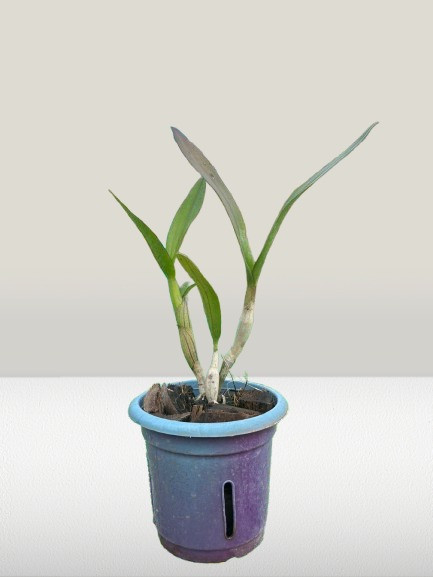
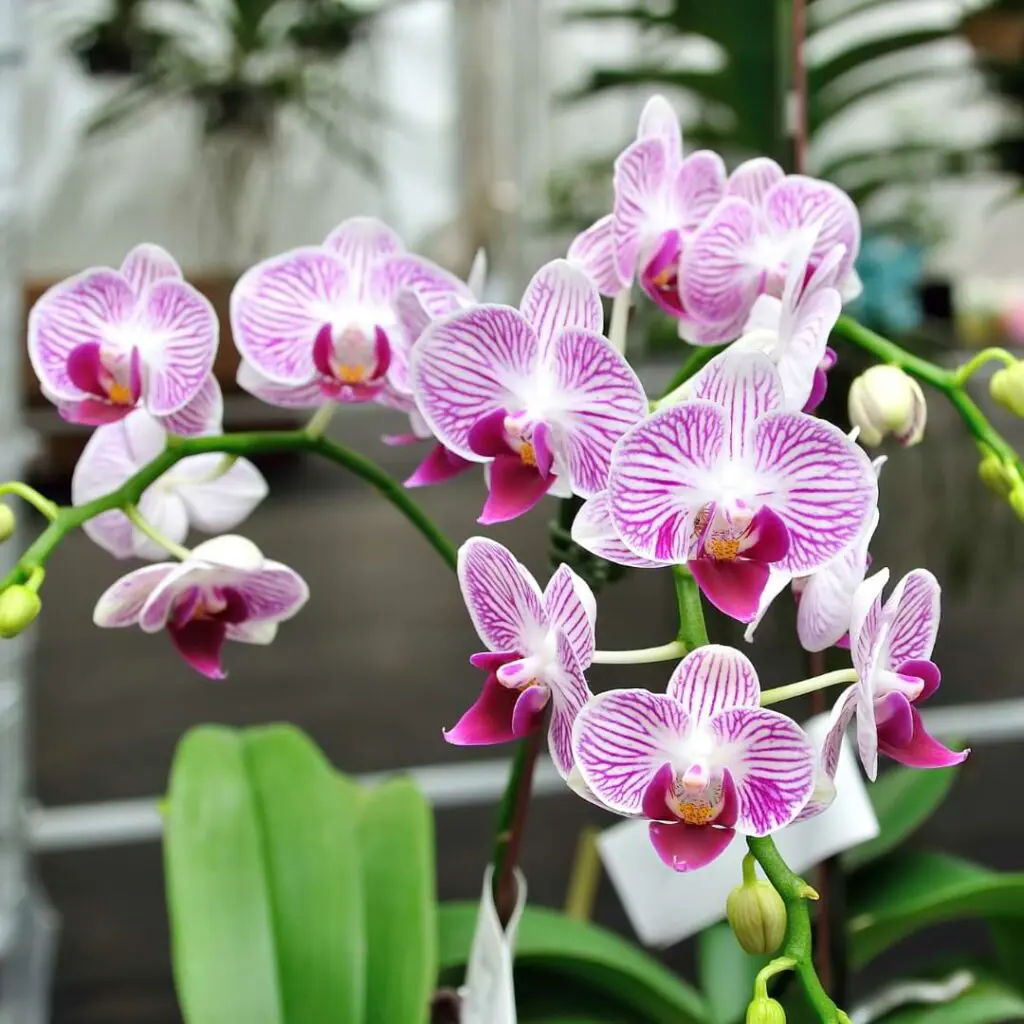
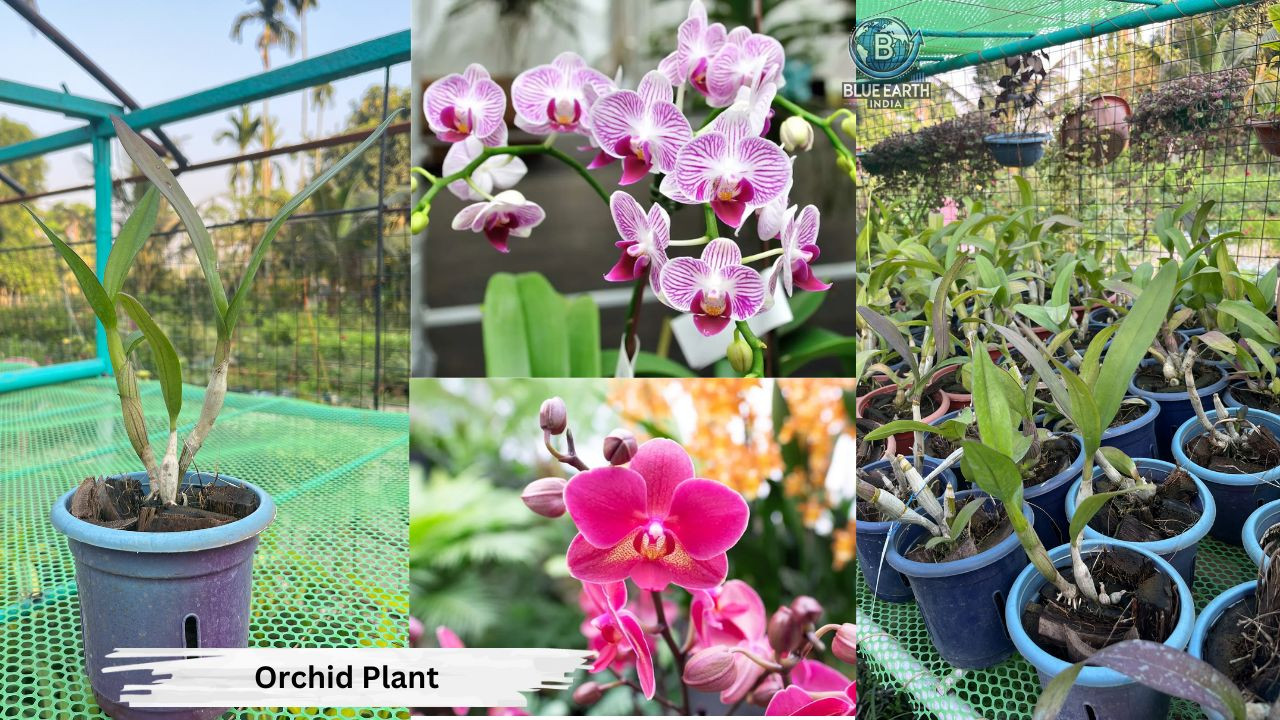
The Orchid plant, part of the vast Orchidaceae family, is one of the largest and most diverse families of flowering plants, with more than 25,000 species and around 100,000 hybrids. Orchids are renowned for their exquisite flowers, unique shapes, and wide range of vibrant colors. Their distinct beauty and long-lasting blooms have made them a favorite in gardens, homes, and floral arrangements.
Key Features of the Orchid Plant:
-
Appearance and Growth:
- Orchids are known for their distinctive flowers, which often feature three outer petals and a specialized petal called the lip or labellum, which is typically larger and differently shaped. The lip plays a crucial role in attracting pollinators.
- Orchids have long, narrow leaves, which are usually green, but some varieties, like the Paphiopedilum, can have purple or red-tinged leaves.
- The plant's stems can be long or short, depending on the species. Some orchids, like Cattleya, have pseudobulbs (thickened stems) that store water and nutrients.
-
Types of Orchids:
- Phalaenopsis (Moth Orchid): One of the most common orchids, popular for its large, flat blooms and ease of care. It's often seen as a houseplant.
- Cattleya: Known for its large, fragrant flowers, and often used in corsages for special occasions.
- Dendrobium: A large genus with a wide variety of flower shapes and colors, often used in floral arrangements.
- Vanda: Known for its brightly colored flowers and ability to thrive in warm temperatures.
- Paphiopedilum (Lady Slipper Orchid): Distinguished by its slipper-shaped flowers.
- Oncidium: Known for its small, clustered flowers that often resemble dancing ladies.
-
Growth Environment:
- Orchids are primarily tropical or subtropical plants, although some can be found in temperate regions.
- Most orchids thrive in humid, warm environments with indirect sunlight. They prefer a temperature range of 60-80°F (15-27°C).
- Orchids can be grown in a variety of conditions, including soil, bark-based mixtures, or even in water (hydroponically). Some species also grow epiphytically, meaning they grow on other plants without harming them.
-
Watering and Care:
- Orchids require moderate watering. Overwatering can lead to root rot, so it's crucial to allow the growing medium to dry out between waterings.
- Orchids do best when watered with distilled or rainwater, as tap water can contain salts or chemicals like chlorine and fluoride, which can damage the plant.
- Orchids benefit from regular humidity, and placing them in bathrooms or using humidifiers can help them thrive.
-
Fertilizing Orchids:
- Fertilize orchids with a balanced, water-soluble orchid fertilizer that is diluted to about one-quarter of the recommended strength.
- Fertilizing should be done during the growing season (spring and summer) to promote healthy growth and blooming. In the fall and winter, fertilizing can be reduced or stopped.
-
Flowering:
- Orchids are prized for their long-lasting blooms, which can last from several weeks to months.
- Each orchid species has its own flowering season, but most orchids bloom once a year.
- Phalaenopsis orchids can bloom multiple times per year, while Cattleya orchids usually bloom once.
-
Propagation:
- Orchids can be propagated by division, where mature plants are separated into smaller sections, each with roots and pseudobulbs.
- Some species can be propagated from stem cuttings or keikis (small offshoots that grow from the main stem), but this requires patience and specific conditions.
- Orchids can also be grown from seeds, although the process is quite complicated and requires special care.
-
Common Problems:
- Yellowing leaves: This could be caused by too much direct sunlight, overwatering, or nutrient deficiency.
- Dropping flowers: This is often natural, as orchids bloom for a few weeks or months before shedding their flowers. However, temperature changes or improper watering can also cause flowers to drop prematurely.
- Pests: Orchids can be susceptible to mealybugs, aphids, and spider mites, which can be controlled with organic insecticides or neem oil.
-
Health Benefits:
- Orchids help purify the air by removing toxins and releasing oxygen, improving indoor air quality.
- The aroma of certain orchids can also have a therapeutic effect, promoting relaxation and mood enhancement.
- Their aesthetic appeal can contribute to a calming environment, helping reduce stress and improve mental well-being.
-
Uses:
- Decorative Plant: Orchids are used as decorative plants in homes, offices, and gardens, where they add beauty and elegance.
- Cut Flowers: Orchids are highly valued as cut flowers in floral arrangements, especially for special occasions like weddings, anniversaries, and parties.
- Medicinal Uses: Some cultures use orchids in traditional medicine for their potential health benefits, such as in herbal teas and as remedies for coughs or respiratory issues.
Frequently Bought Products
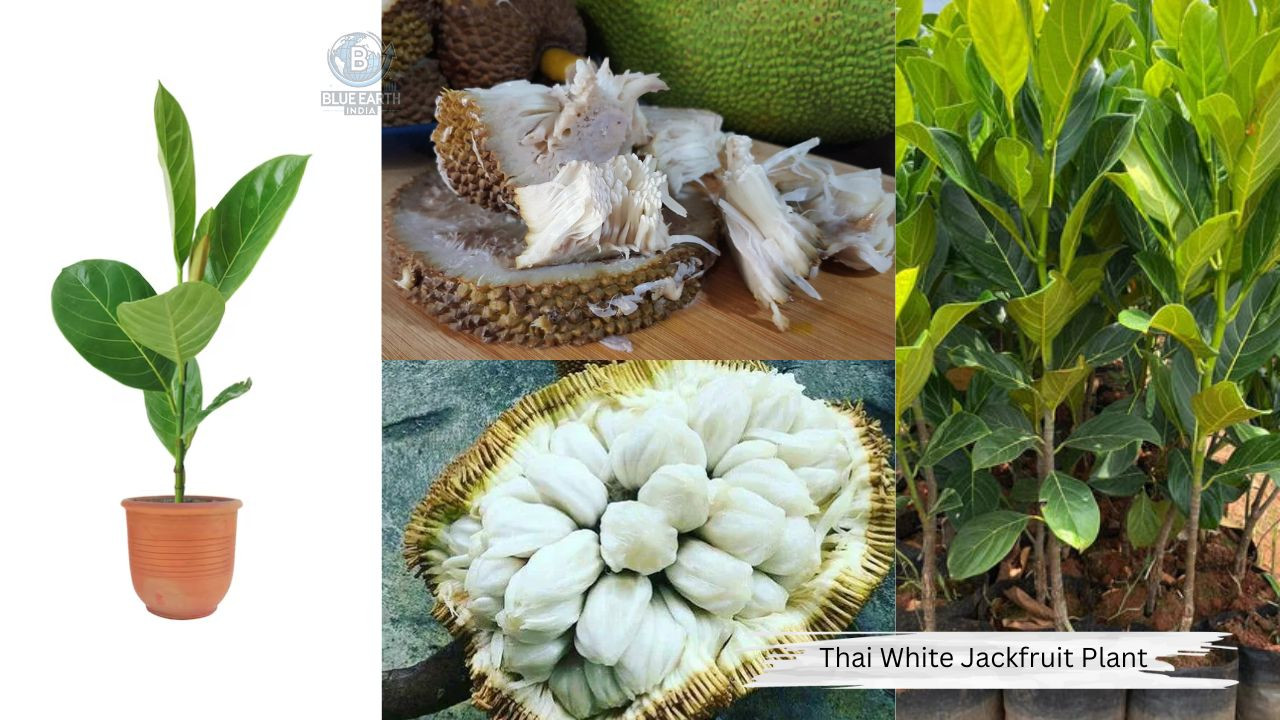
Thai White Jackfruit Plant
Rs299.00
Rs598.00
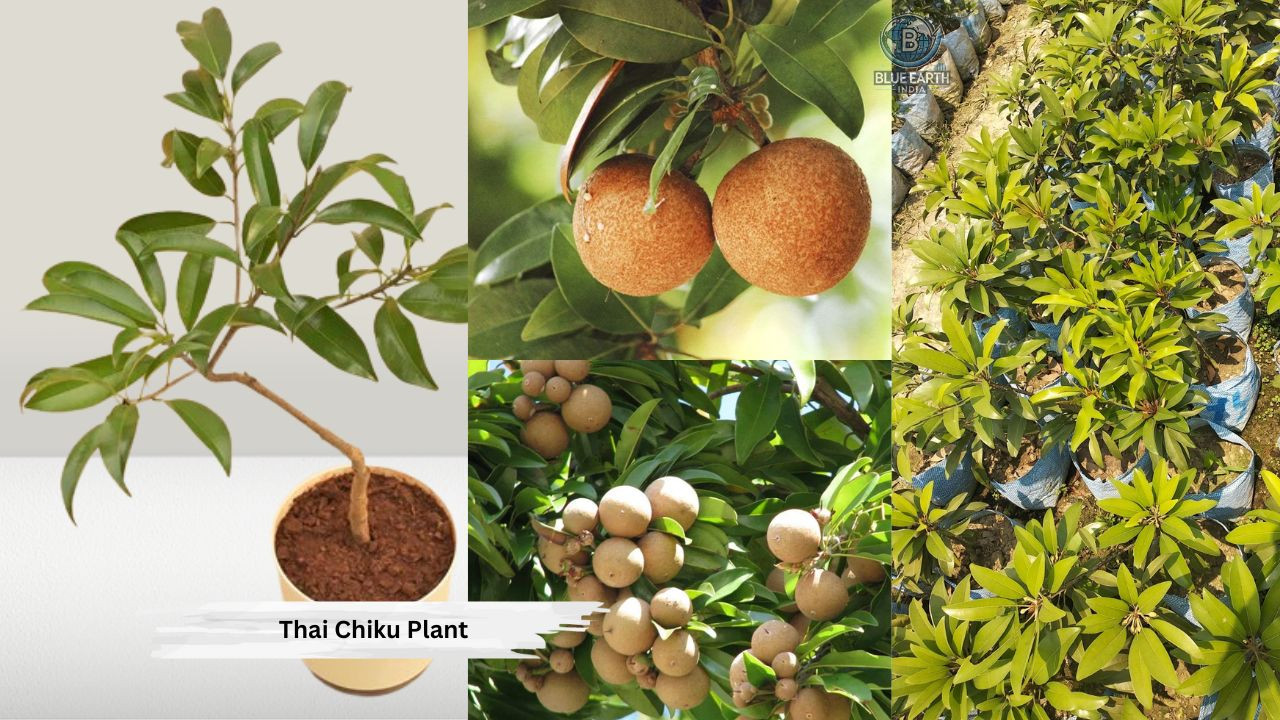
Thai Chiku Plant
Rs229.00
Rs458.00
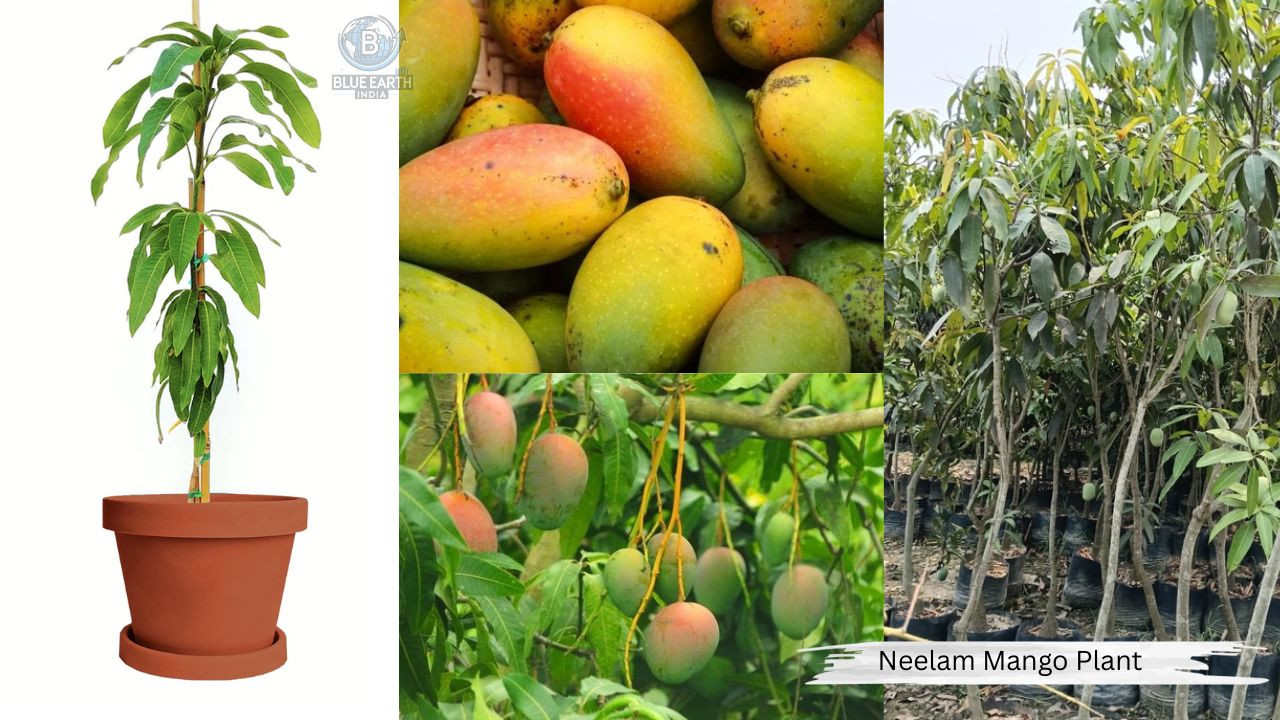
Neelam Mango Plant
Rs949.00
Rs999.00
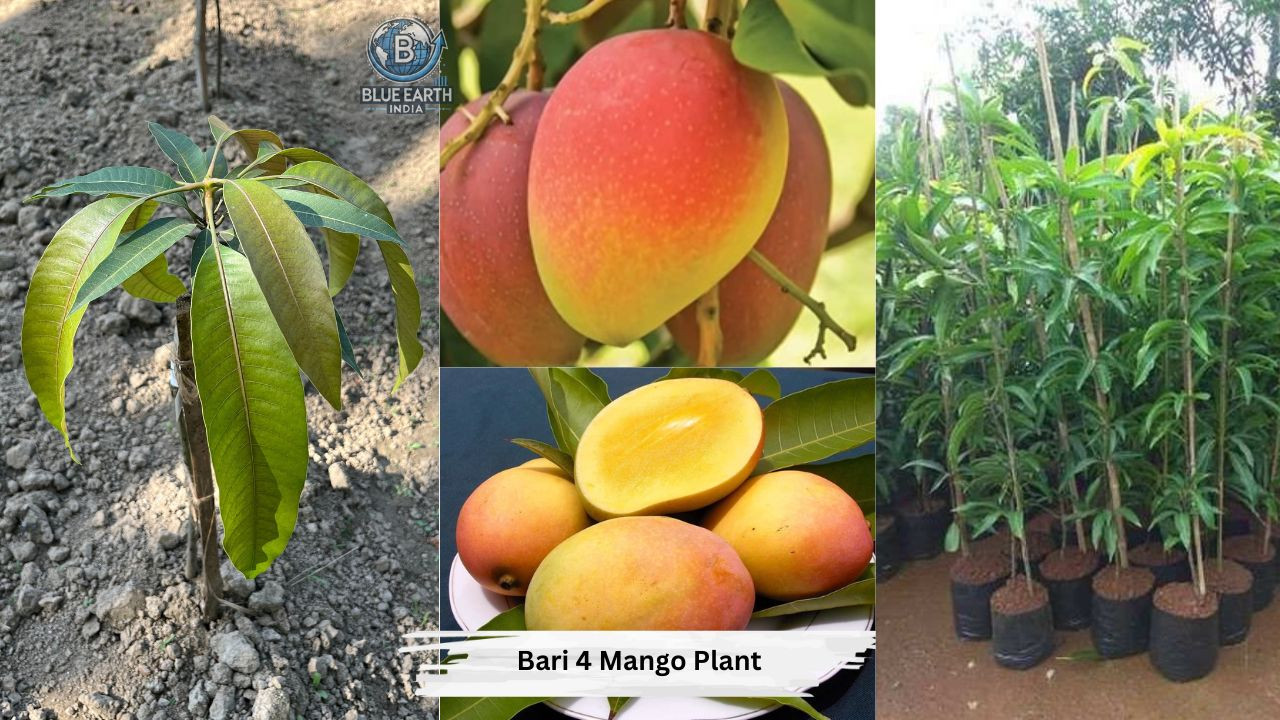
Bari 4 Mango Plant
Rs296.00
Rs740.00
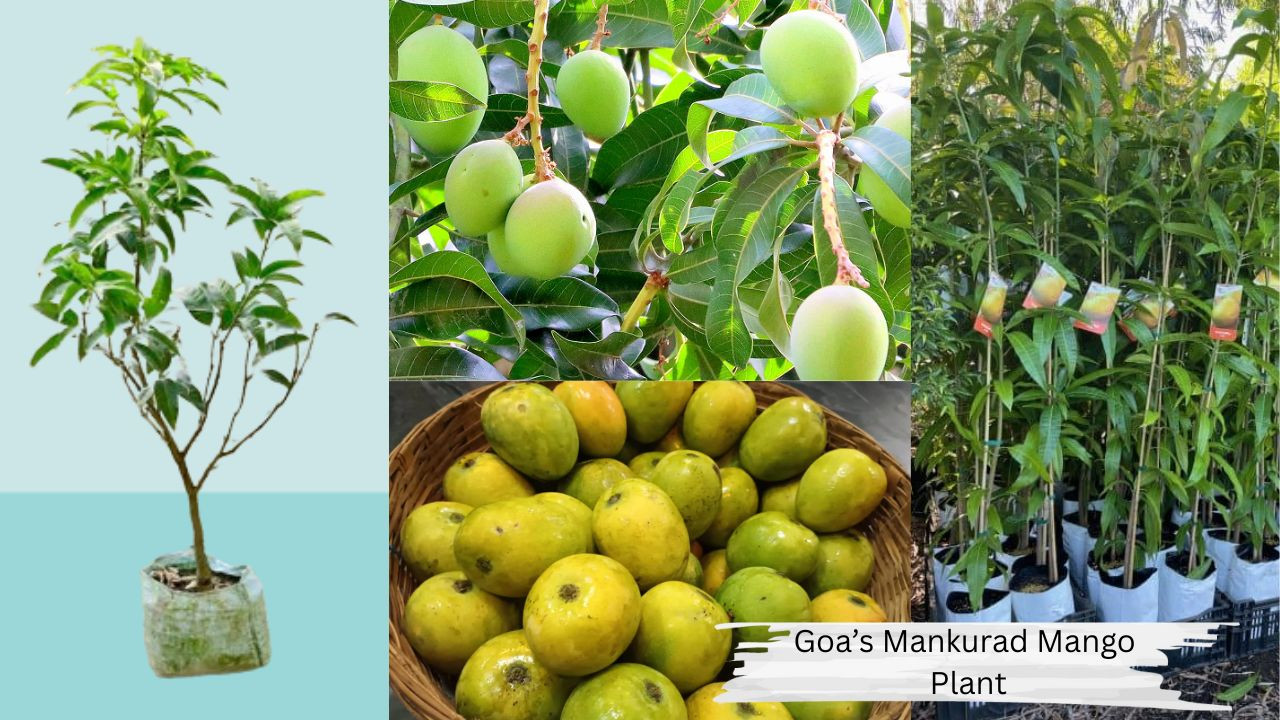
Goas Mankurad Mango Plant
Rs299.00
Rs598.00
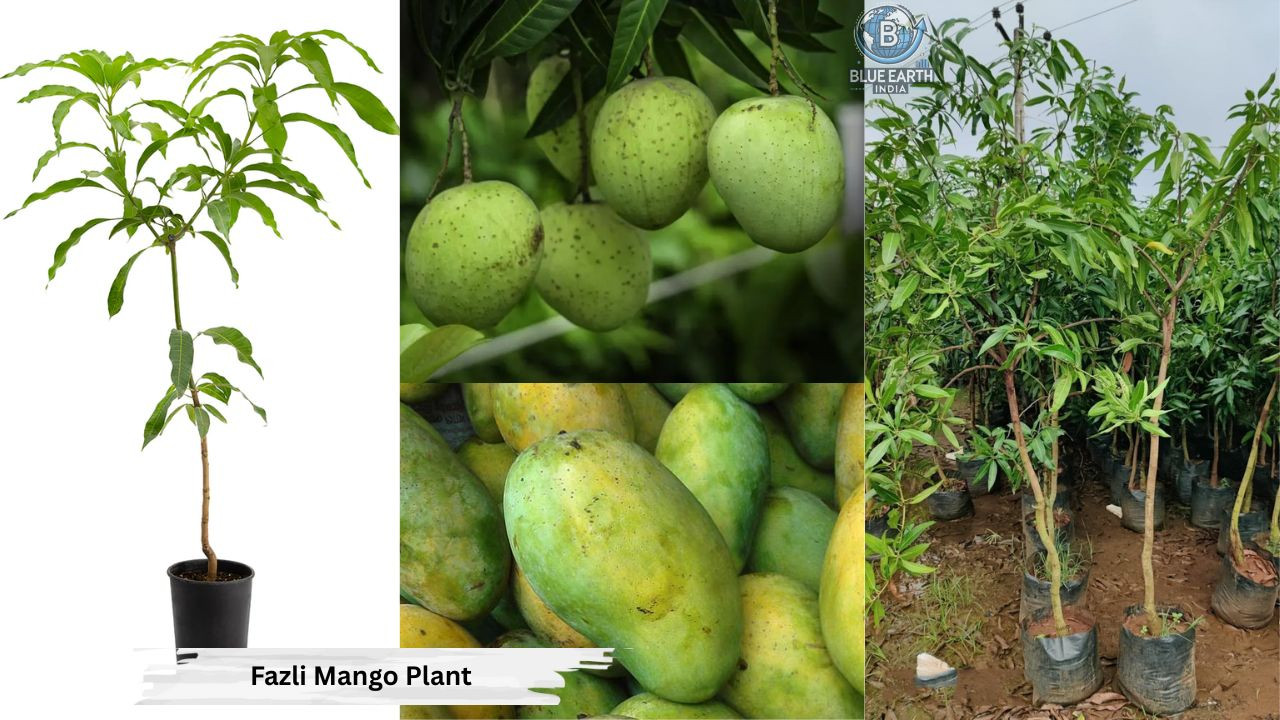
Fazili Mango Plant
Rs295.00
Rs590.00
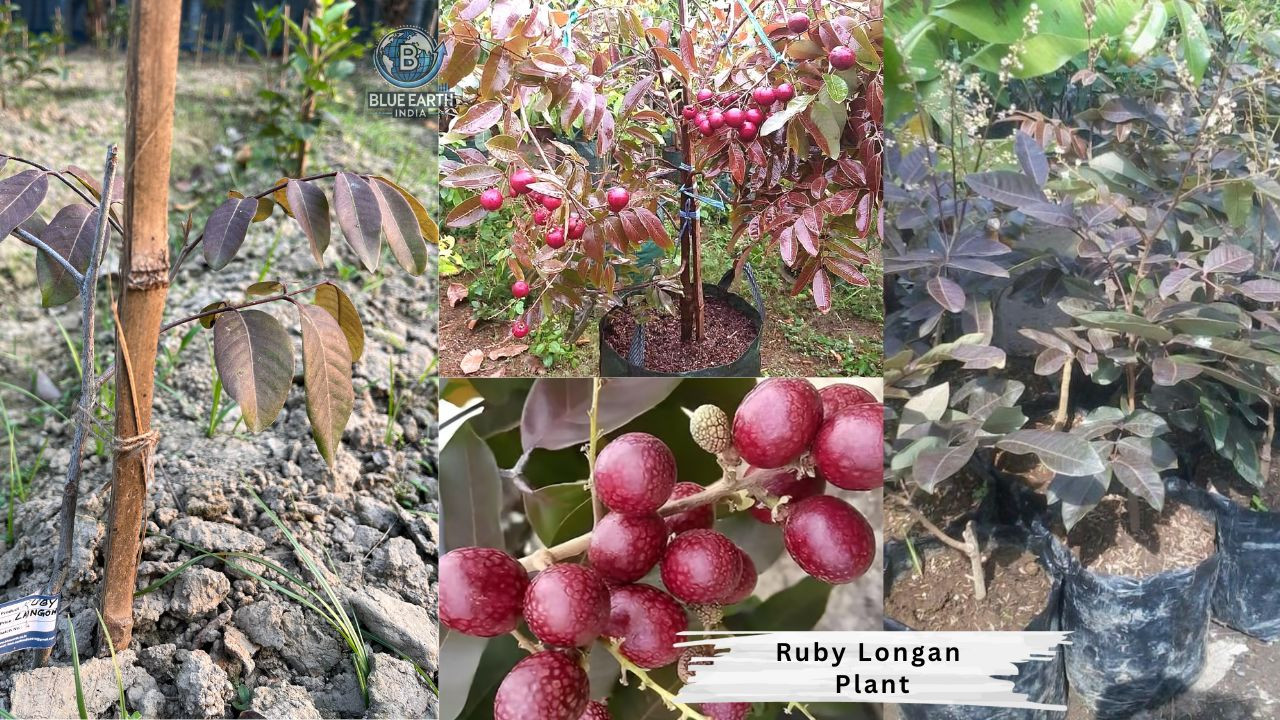
Ruby Longan Plant
Rs1,598.00
Rs3,995.00
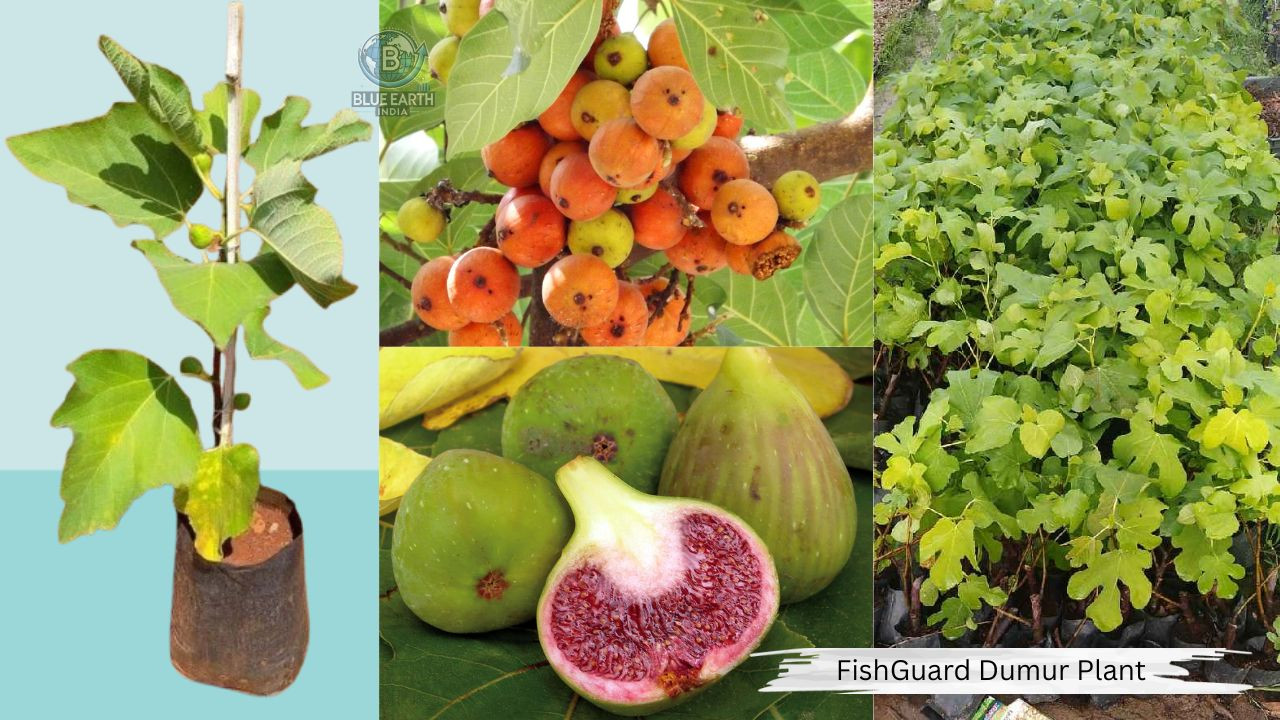
FISHGUARD DUMUR PLANT
Rs249.00
Rs498.00
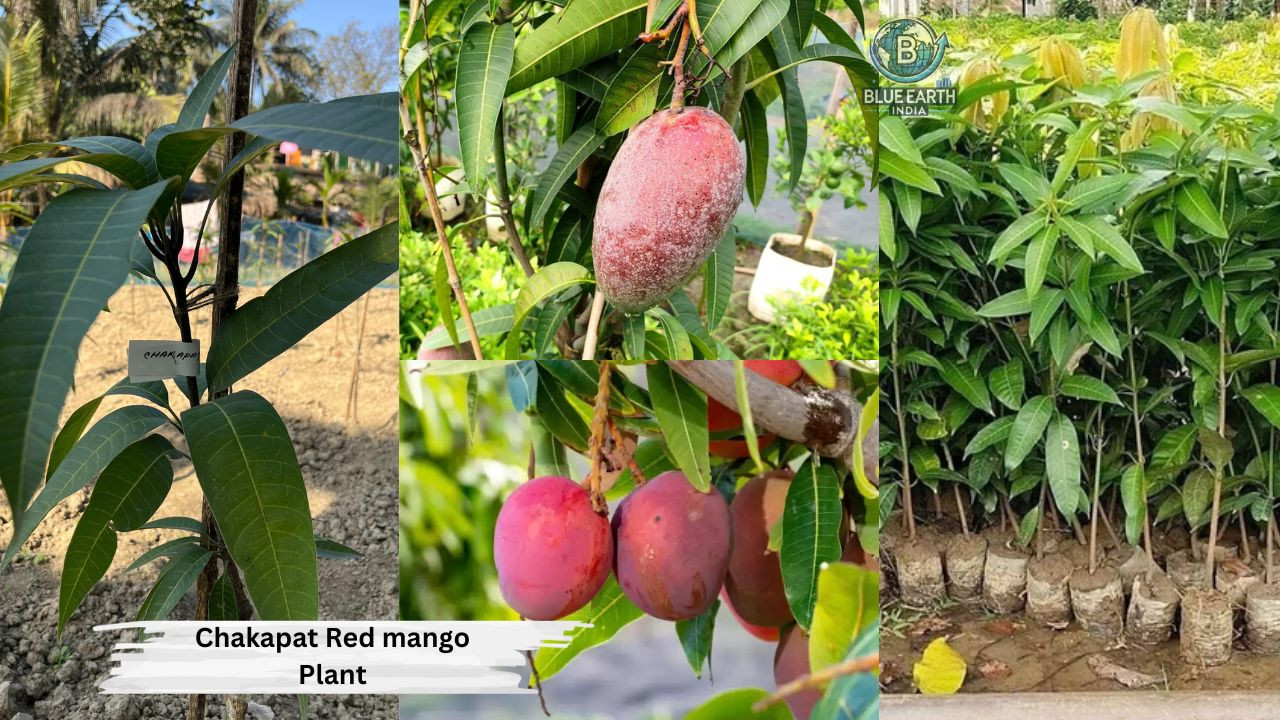
Chakapat Red Mango Plant
Rs299.00
Rs598.00
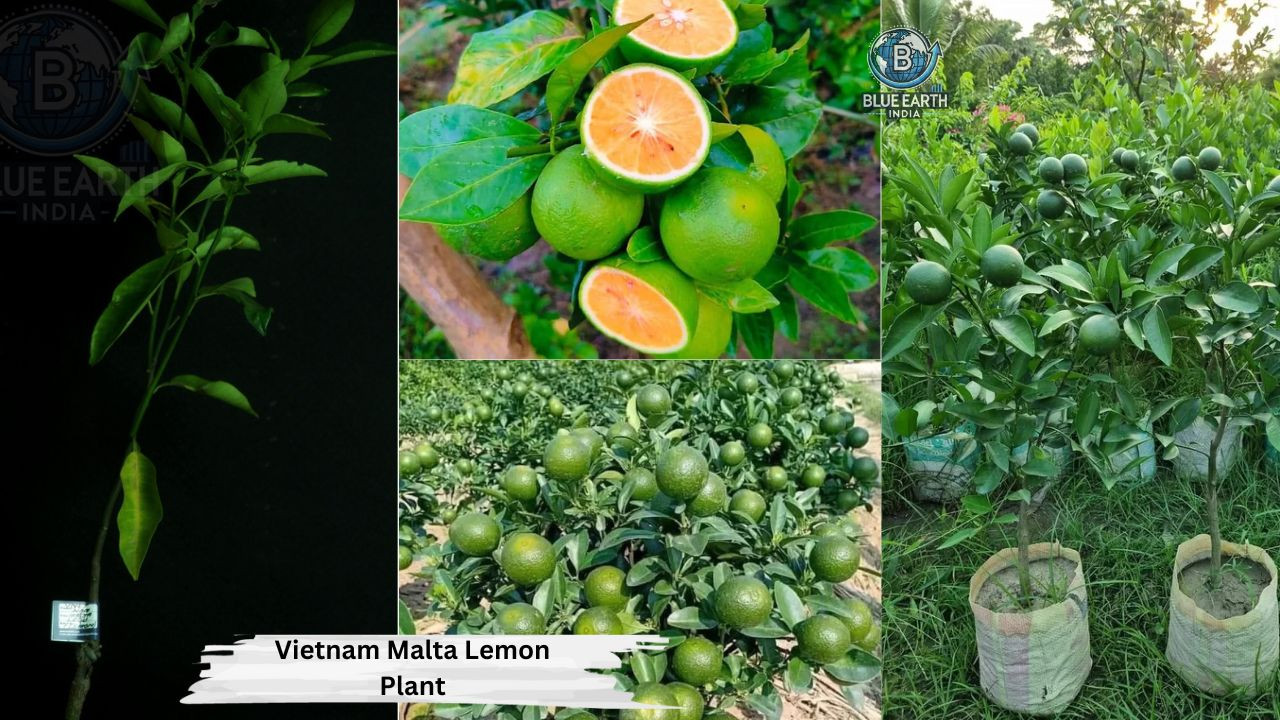
Vietnam Malta Lemon Plant
Rs201.00
Rs670.00
Top Selling Products
-
Rs249.00
Rs498.00 -
Rs299.00
Rs598.00 -
Rs249.00
Rs498.00 -
Rs149.00
Rs596.00 -
Rs299.00
Rs598.00 -
Rs299.00
Rs598.00