



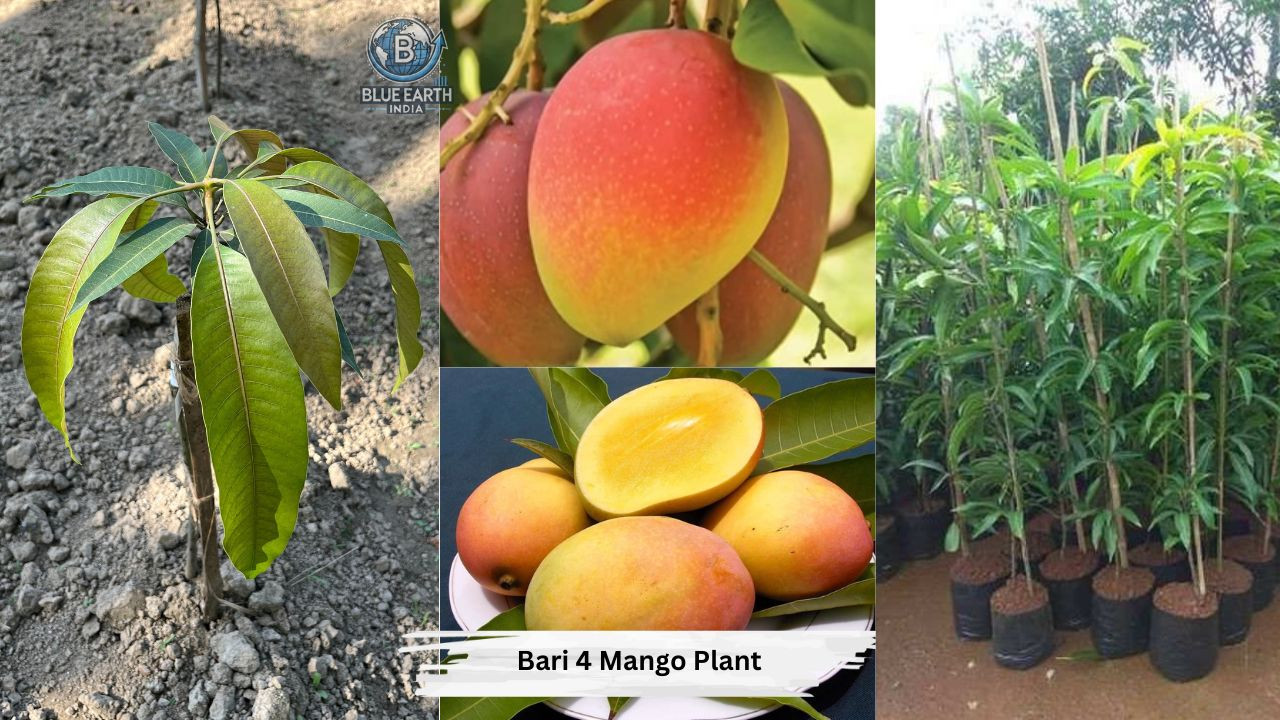
Bari 4 Mango Plant
(0
reviews)
Estimate Shipping Time:
4 Days
Inhouse product
Price
Rs296.00
Rs740.00
/1 pices
-60%
Share
Top Selling Products
-
 Rs249.00
Rs498.00 -
Rs299.00
Rs598.00 -
Rs249.00
Rs498.00 -
Rs149.00
Rs596.00 -
Rs299.00
Rs598.00 -
Rs299.00
Rs598.00
Reviews & Ratings
0.00
out of 5.0
(0
reviews)
There have been no reviews for this product yet.
The Bari 4 Mango is a specific variety of mango that is widely recognized and cultivated, especially in Bangladesh and India. It is known for its large size, sweet flavor, and high yield, making it a popular choice for both commercial and home gardeners. Here's some detailed information about the Bari 4 Mango plant:
1. Origin:
- The Bari 4 Mango variety was developed by the Bangladesh Agricultural Research Institute (BARI) in the 1980s. It is part of a series of mango cultivars produced by the institute for its desirable traits like high yield, disease resistance, and good fruit quality.
2. Appearance:
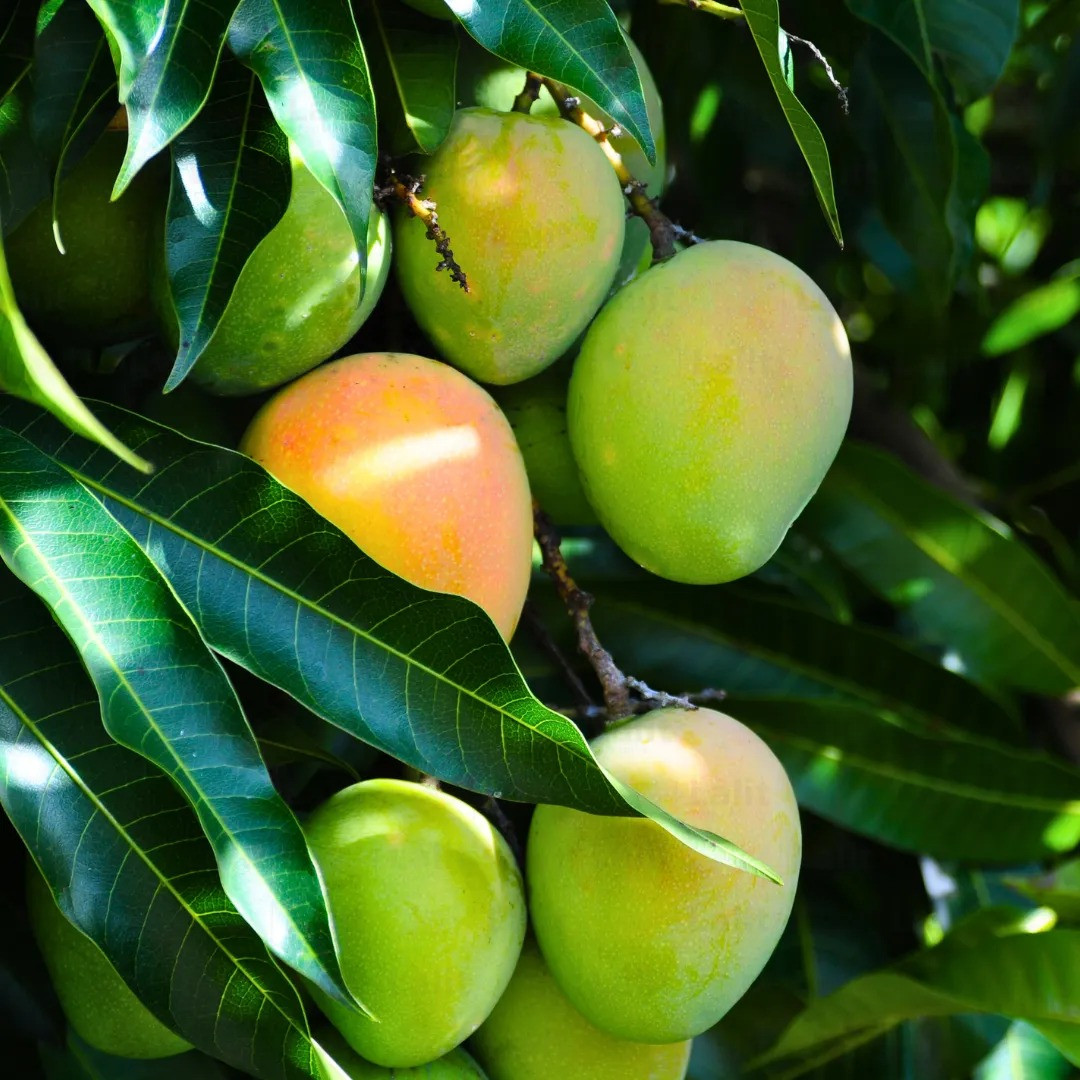
- Tree Size: The Bari 4 mango tree is a medium to large-sized tree that can grow up to 15-20 feet (4.5-6 meters) tall when mature.
- Leaves: The tree has dark green, elongated leaves, which are typical of mango trees.
- Fruit Characteristics:
- The Bari 4 mango is known for its large, oval-shaped fruit.
- The skin is greenish-yellow when ripe, with a slight reddish tinge near the top.
- The flesh is thick, juicy, and fiberless, making it highly desirable for eating fresh, juicing, or making mango-based products like smoothies, jams, and chutneys.
3. Flavor and Texture:
- The Bari 4 Mango is highly regarded for its sweet, aromatic flavor, and it is typically enjoyed fresh.
- The fruit has smooth, non-fibrous flesh, which gives it a pleasant texture, making it suitable for desserts and snacks.
4. Growing Conditions:
- Climate: Bari 4 mangoes thrive in tropical and subtropical climates with warm temperatures. They prefer hot, sunny conditions and can tolerate dry spells once established.
- Soil: The mango tree grows best in well-draining soil with a slightly acidic to neutral pH. It prefers loamy or sandy soil.
- Watering: While mango trees are drought-tolerant once mature, they require regular watering during the growing season to ensure healthy fruit production, especially during the dry months.
- Sunlight: The tree needs full sunlight to grow well and produce high-quality fruit.
5. Yield and Harvesting:
- The Bari 4 Mango tree is known for its high yield. Once it reaches maturity, it can produce a large number of fruits per season.
- The mango typically ripens during the summer months in regions where it is cultivated. In Bangladesh, the peak harvest season for Bari 4 mangoes is around May to June.
- The fruit is harvested when it is still firm and green, and it ripens off the tree over a few days.
6. Disease Resistance:
- One of the key advantages of the Bari 4 Mango is its resistance to certain diseases, including anthracnose, a fungal disease common in mango trees. This makes it an excellent variety for commercial farming, as it reduces the need for extensive chemical treatments.
7. Uses:
- Fresh Eating: The primary use of the Bari 4 mango is for eating fresh, thanks to its sweet flavor and smooth texture.
- Juices and Smoothies: Its high-quality, juicy flesh is perfect for making mango juices, smoothies, and desserts like mango lassi.
- Mango Products: The fruit can also be used in making mango pulp, mango pickles, mango jam, and other processed products.
8. Pruning and Care:
- Pruning: Regular pruning is necessary to maintain the shape of the tree, improve airflow, and ensure better sunlight penetration for healthier growth and fruiting.
- Fertilizing: Bari 4 mango trees benefit from regular fertilization with balanced fertilizers to promote healthy growth, flowering, and fruit development.
9. Commercial and Home Cultivation:
- The Bari 4 Mango is suitable for commercial farming due to its high yield and disease resistance. It is grown in mango orchards and sold both locally and internationally.
- Home gardeners can also grow Bari 4 mangoes, but it requires patience as it may take 3-5 years to start bearing fruit, depending on the growing conditions and the care provided.
Frequently Bought Products
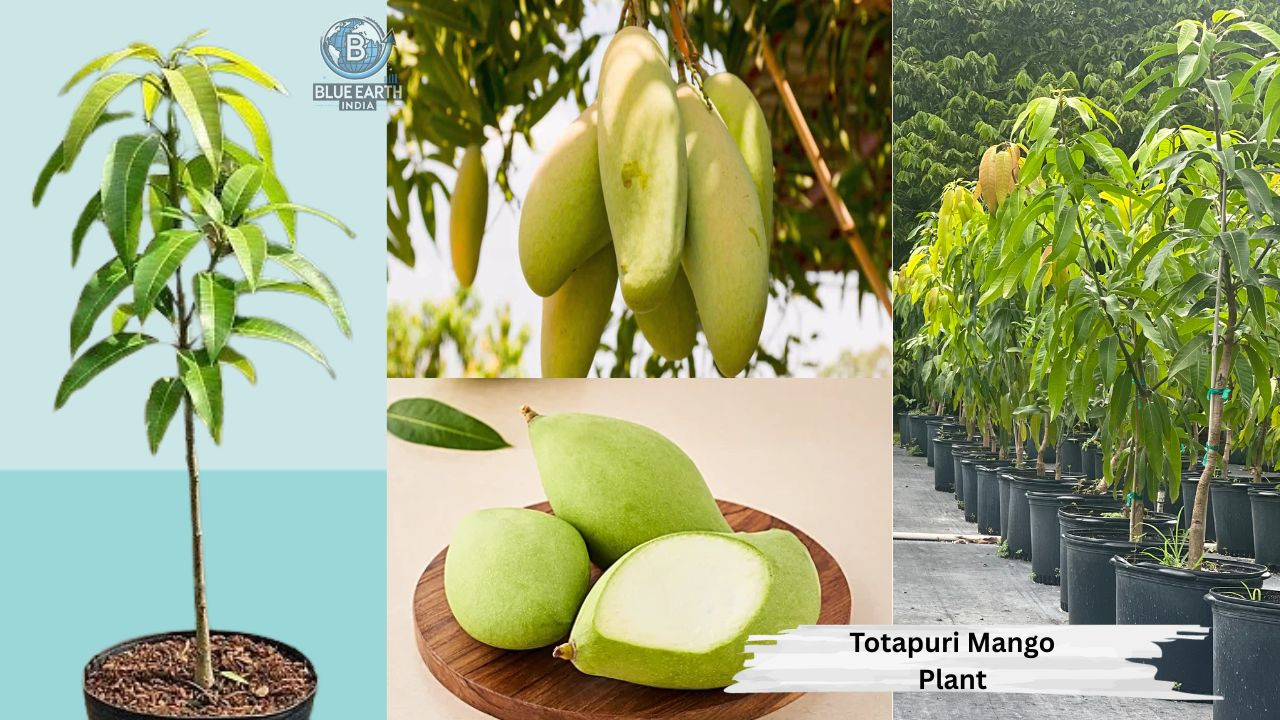
Totapuri Mango Plant
Rs299.00
Rs598.00
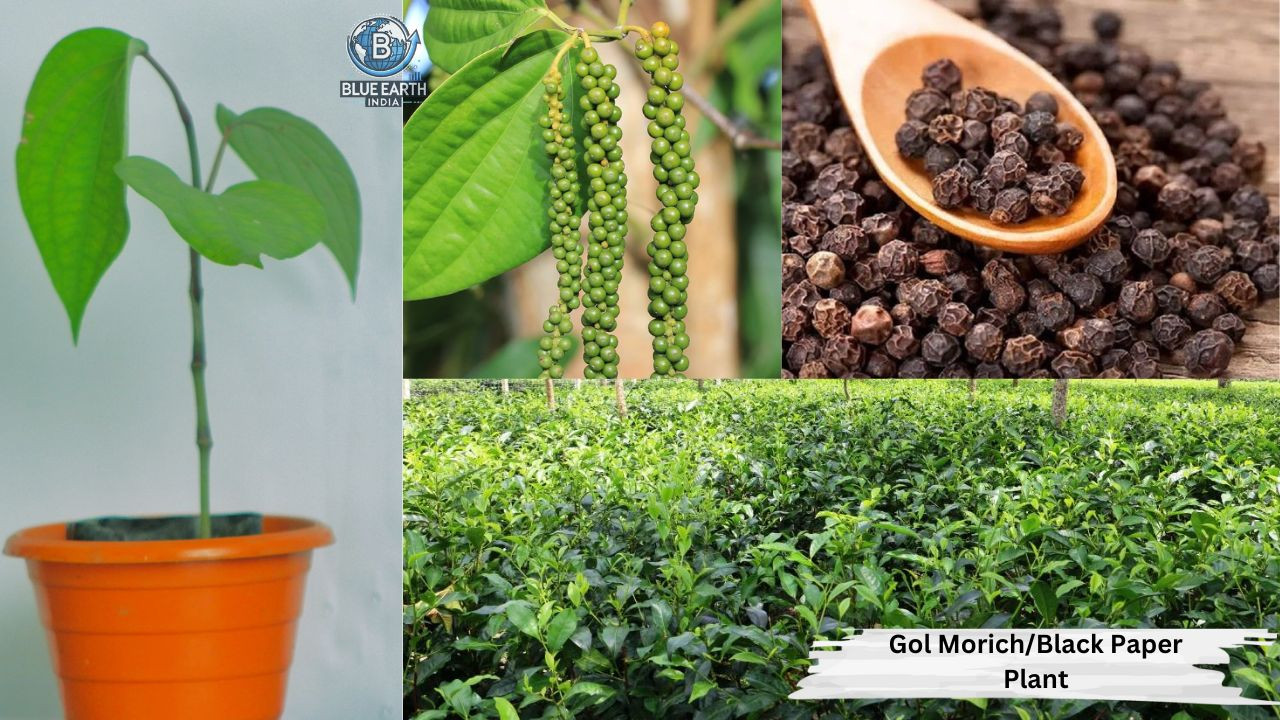
Black Paper Plant
Rs199.00
Rs398.00
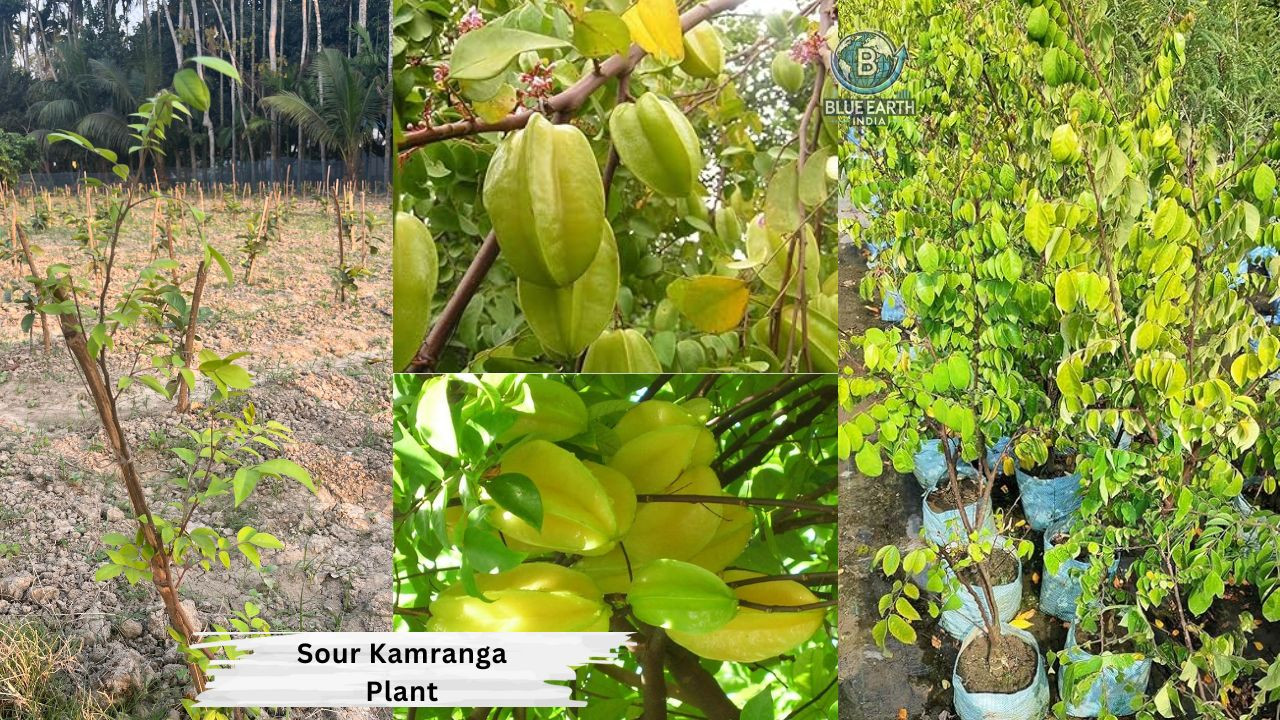
Sour kamranga Plant
Rs195.00
Rs325.00
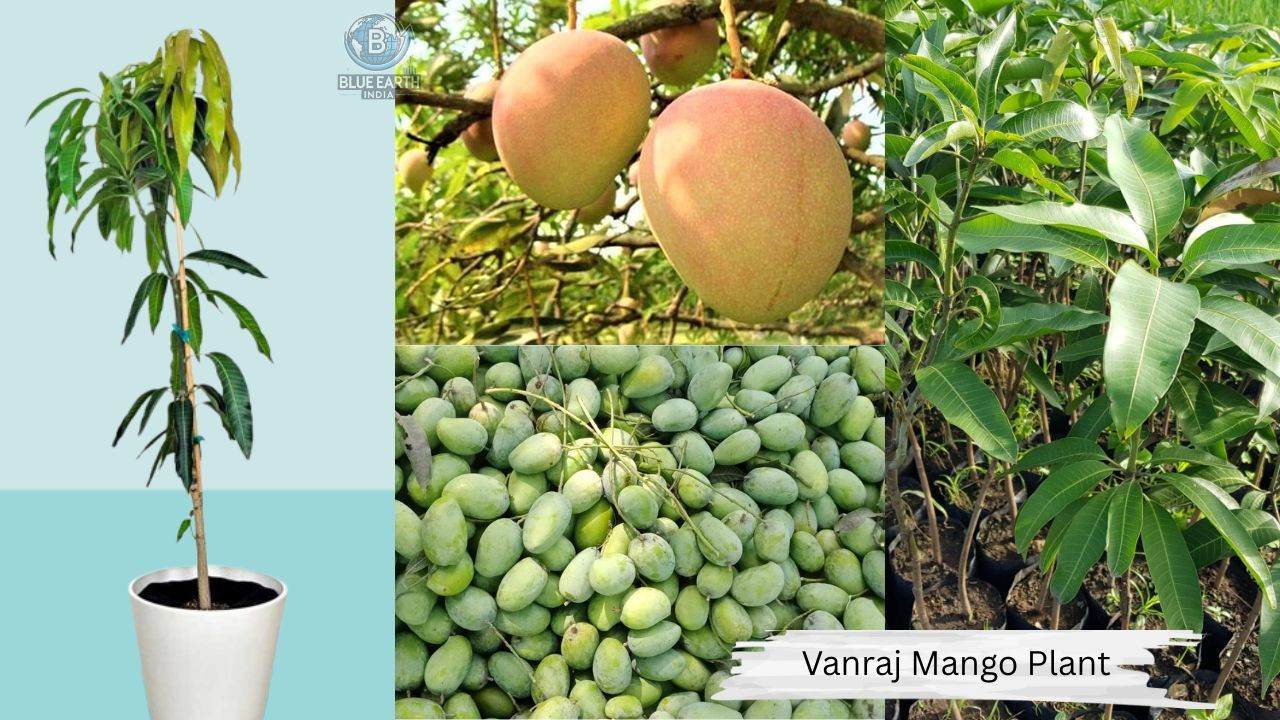
Bhanraj Mango Plant
Rs299.00
Rs598.00
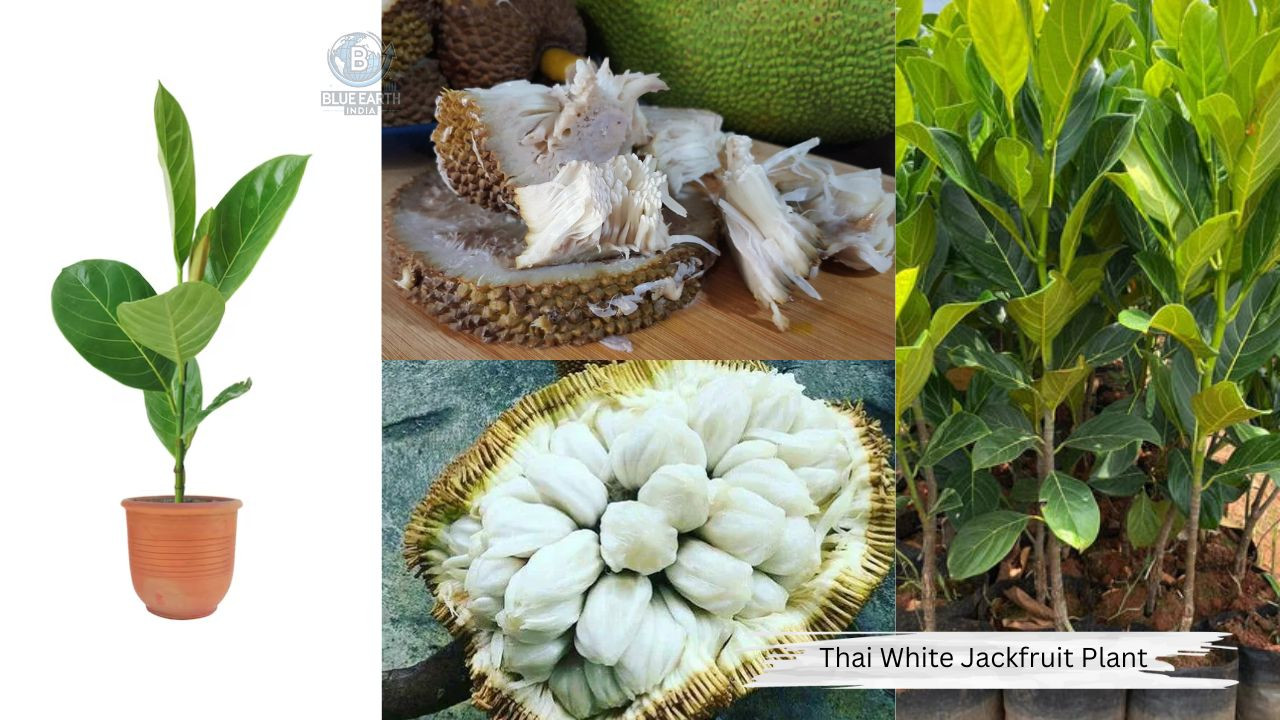
Thai White Jackfruit Plant
Rs299.00
Rs598.00
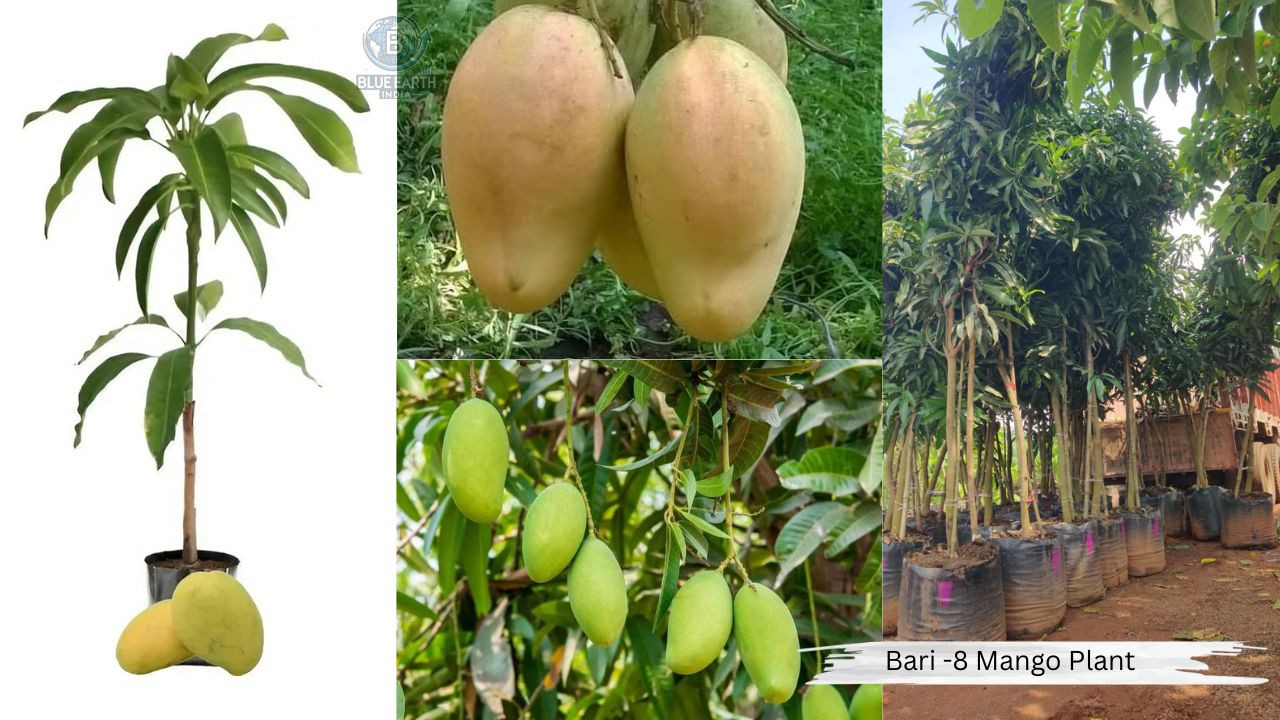
Bari 8 Mango Plant
Rs475.00
Rs950.00
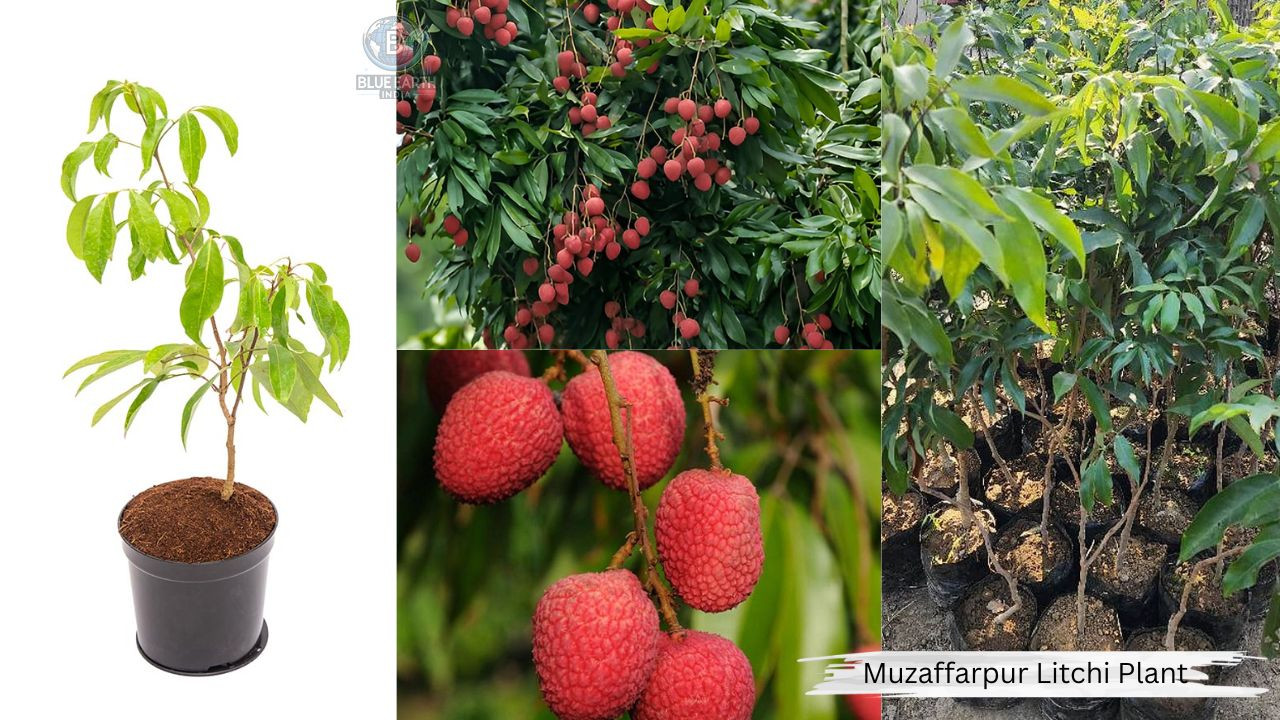
Muzaffar Lychee Plant
Rs249.00
Rs498.00
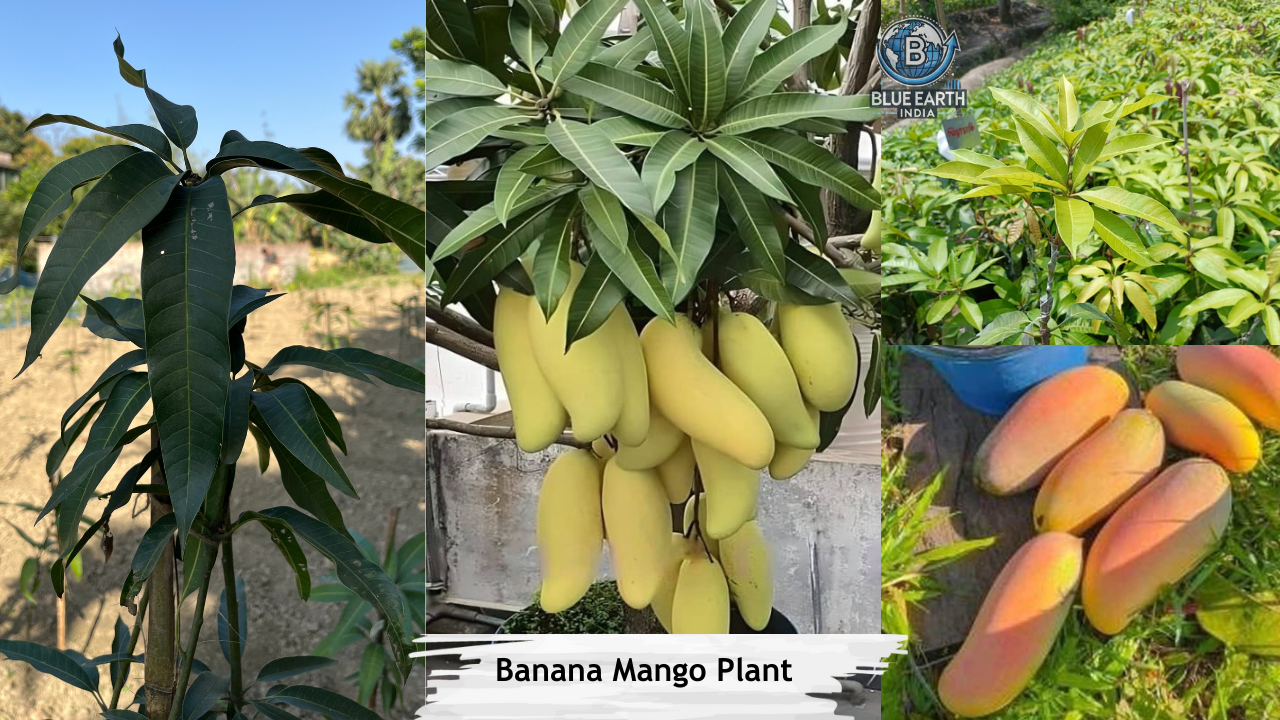
Banana Mango Plant
Rs299.00
Rs598.00
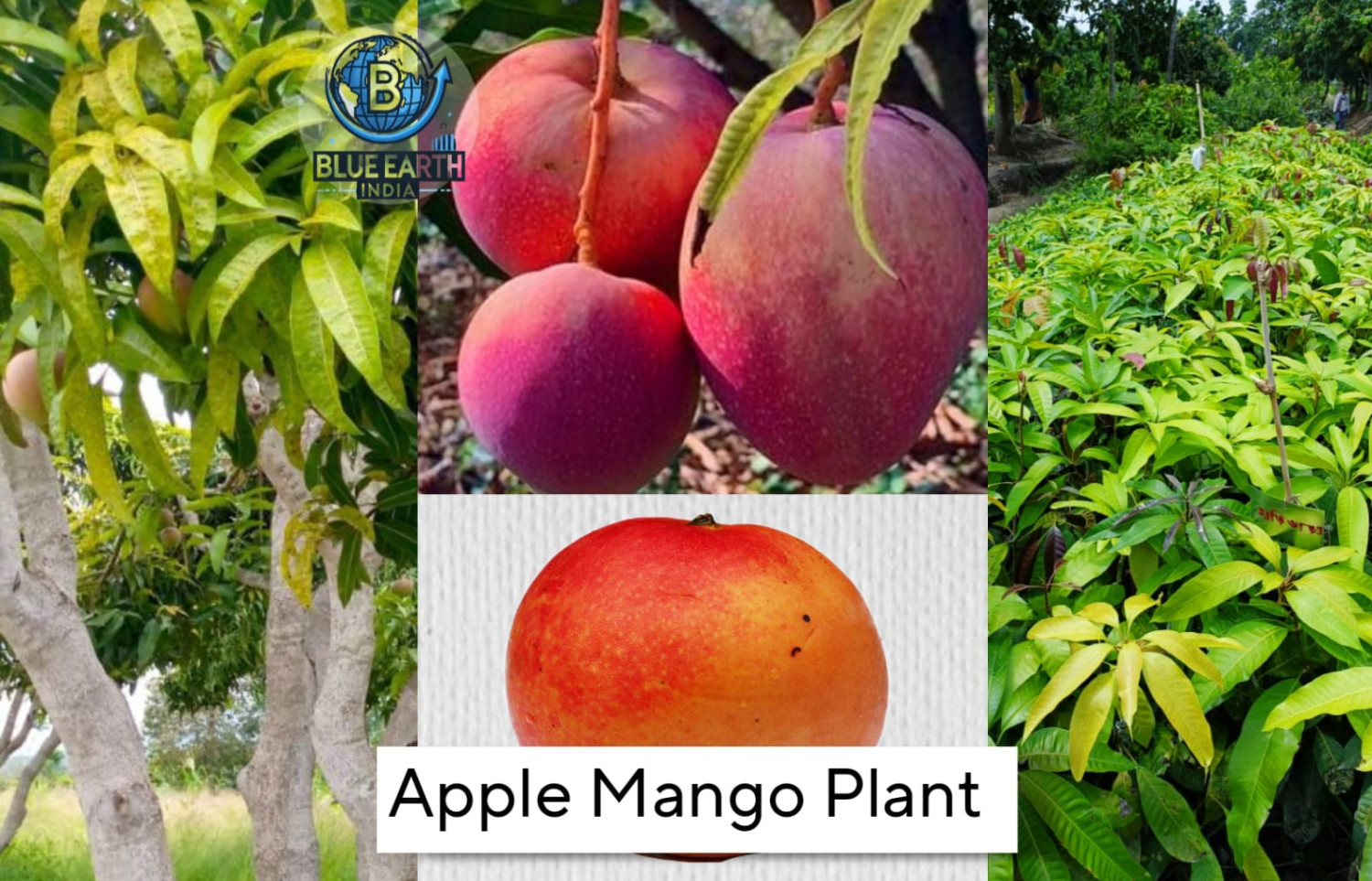
Apple Mango Plant
Rs249.00
Rs498.00
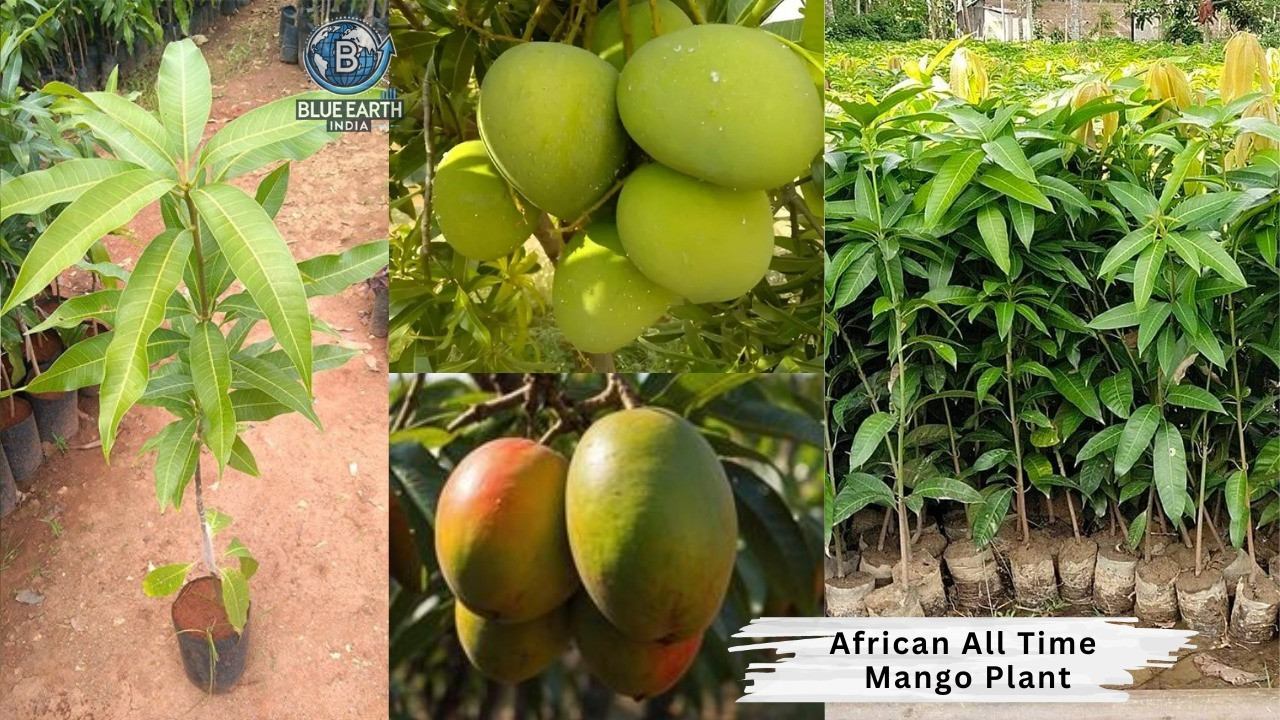
African All Time Mango Plant
Rs4,887.00
Rs8,145.00
Top Selling Products
-
Rs249.00
Rs498.00 -
Rs299.00
Rs598.00 -
Rs249.00
Rs498.00 -
Rs149.00
Rs596.00 -
Rs299.00
Rs598.00 -
Rs299.00
Rs598.00