


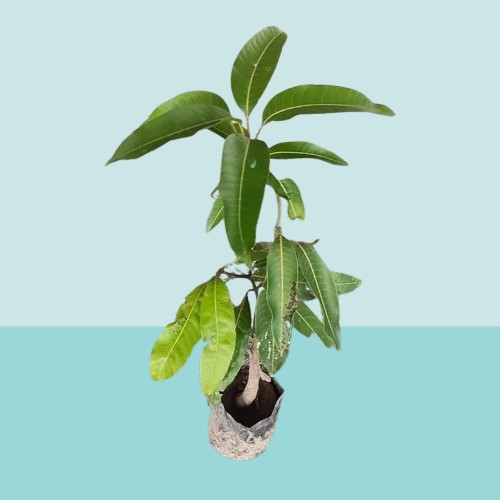
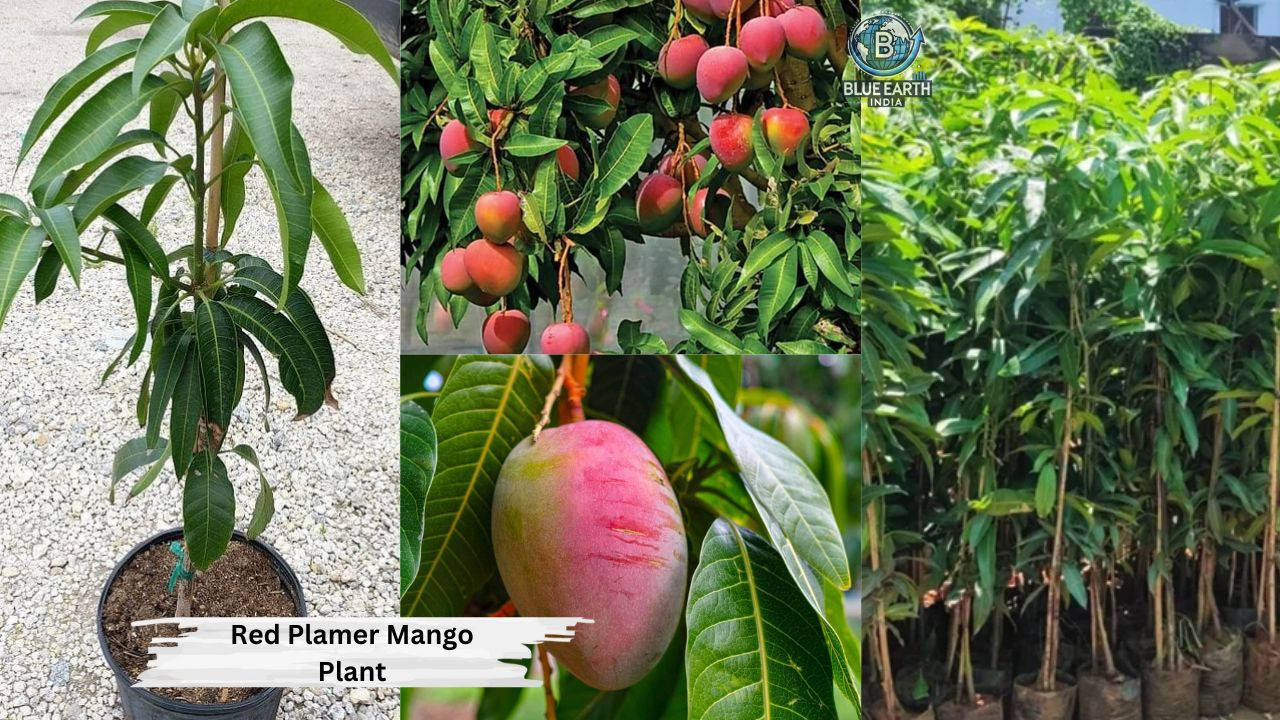
Red Palmer Mango Plant
(0
reviews)
Estimate Shipping Time:
4 Days
Inhouse product
Price
Rs598.00
/1 piece
Share
Top Selling Products
-
 Rs249.00
Rs498.00 -
Rs299.00
Rs598.00 -
Rs249.00
Rs498.00 -
Rs149.00
Rs596.00 -
Rs299.00
Rs598.00 -
Rs299.00
Rs598.00
Reviews & Ratings
0.00
out of 5.0
(0
reviews)
There have been no reviews for this product yet.
The Red Palmar mango is a variety of mango tree known for its sweet, vibrant fruit and tropical characteristics. Here’s an overview of this mango plant:
Key Characteristics:
- Scientific Name: Mangifera indica
- Variety: Red Palmar mango is a hybrid cultivar known for its beautiful red color when ripe, though it may also have a yellowish tint.
- Fruit Size: The fruit typically ranges from medium to large in size.
- Flavor: The fruit is very sweet with a slight tanginess, offering a rich tropical flavor.
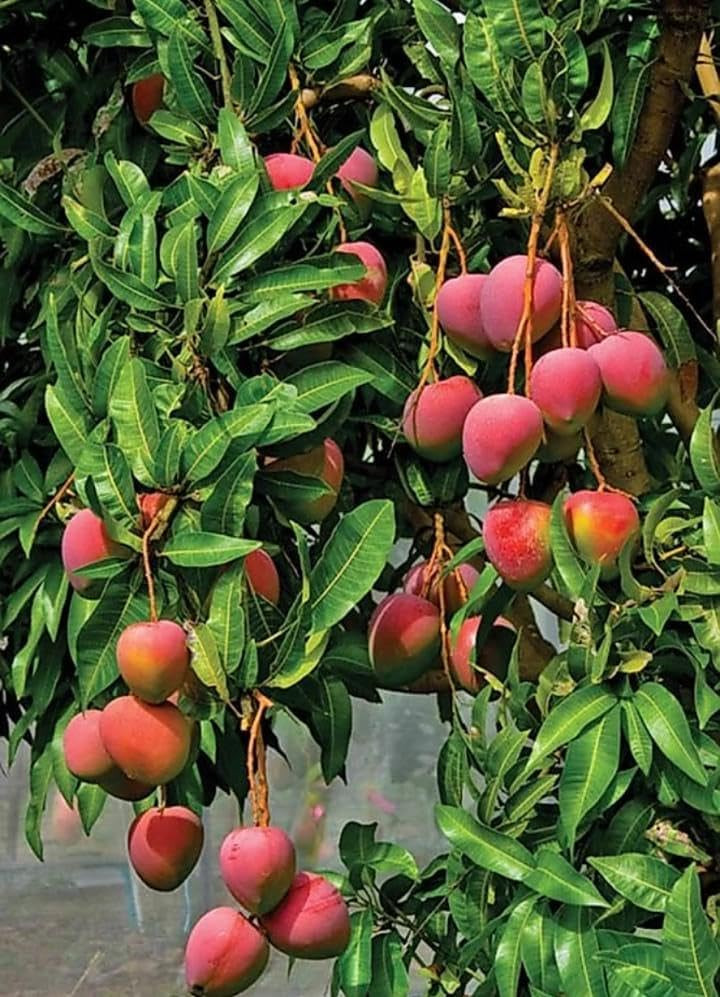
- Fruit Color: Ripe fruits are usually a combination of red and yellow. They develop a deep red hue as they ripen, which makes them visually appealing.
Tree Characteristics:
- Height: The tree can grow between 15 to 25 feet tall if not pruned, but it can be kept shorter with proper care and pruning.
- Growth Habit: The Red Palmar mango tree has a rounded, spreading canopy, which provides ample shade. It is a medium to large-sized tree that thrives in warm tropical to subtropical climates.
- Hardiness Zones: Best suited for USDA Zones 10-11. It requires warm temperatures and is not frost-tolerant.
- Leaves: The tree has dark green, leathery leaves that add to its ornamental value.
Growing Conditions:
- Sun Exposure: Full sun is ideal for optimal growth and fruit production.
- Soil: Well-drained, slightly acidic to neutral soil is best for the tree. Mango trees do not tolerate waterlogged soil, so it's important to plant them in a location with good drainage.
- Watering: The plant requires regular watering, especially when young. However, mature trees are relatively drought-tolerant once established.
Care Tips:
- Pruning: Pruning helps maintain the tree’s shape and remove any dead or damaged wood. It also promotes better airflow and sunlight penetration.
- Fertilization: Fertilize regularly, especially during the growing season. A balanced fertilizer with micronutrients is ideal.
- Pollination: Red Palmar mango trees are typically self-pollinating, but planting another mango variety nearby can enhance fruit production and size.
Harvesting:
- Maturity: The fruit typically ripens in late spring to summer, depending on the climate.
- Ripening: Ripe fruits will have a rich red color and a sweet, fruity aroma. When gently pressed, the fruit should yield slightly.
Pests and Diseases:
- Common Issues: Like other mango trees, Red Palmar mangoes may experience problems with pests like scale insects, aphids, or mealybugs. Regular inspections and care can prevent most issues.
- Diseases: Mango trees are susceptible to fungal diseases, particularly in humid conditions. Proper air circulation and not overwatering can help mitigate this risk.
Ideal Growing Locations:
- Best grown in tropical and subtropical areas where temperatures stay warm throughout the year. They thrive in regions with long, hot summers and mild winters. If you’re in a cooler climate, growing the mango in a pot and moving it indoors during cold months might be an option.
The Red Palmar mango tree can be a beautiful addition to your garden if you live in an appropriate climate. Not only does it produce delicious fruit, but it also adds a lovely aesthetic to any landscap
Frequently Bought Products
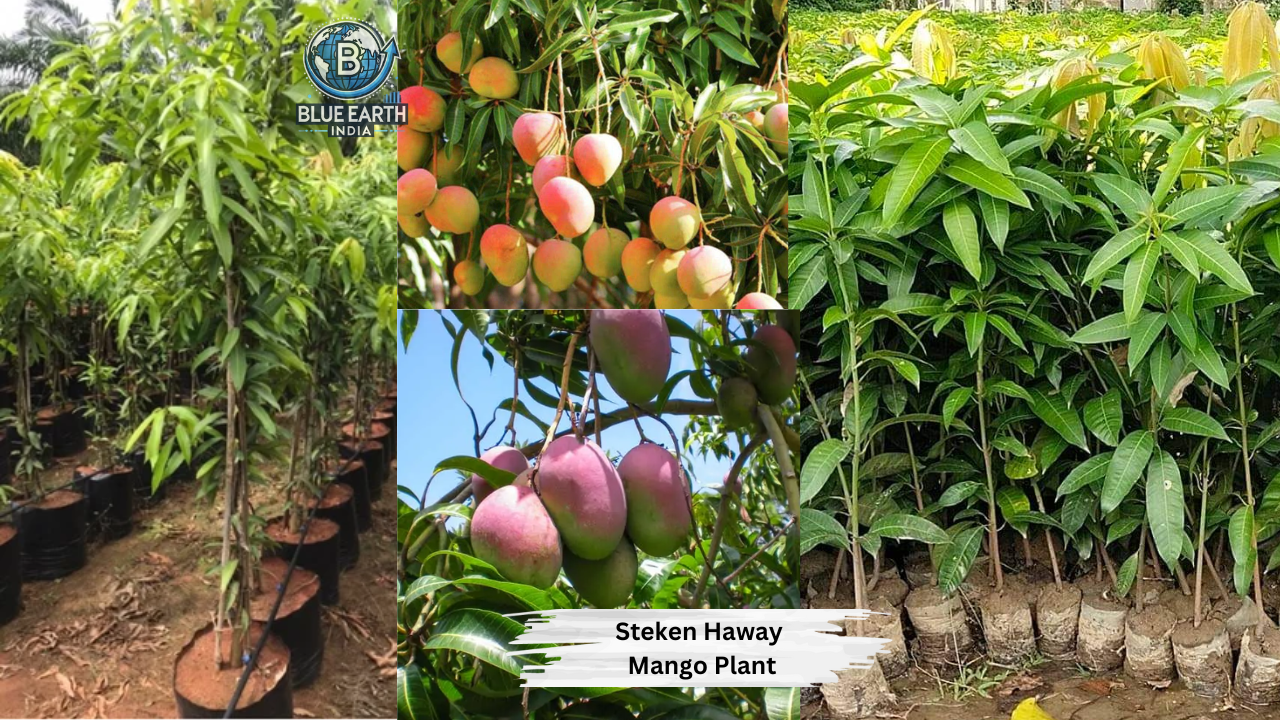
Steken Haway Mango Plant
Rs299.00
Rs598.00
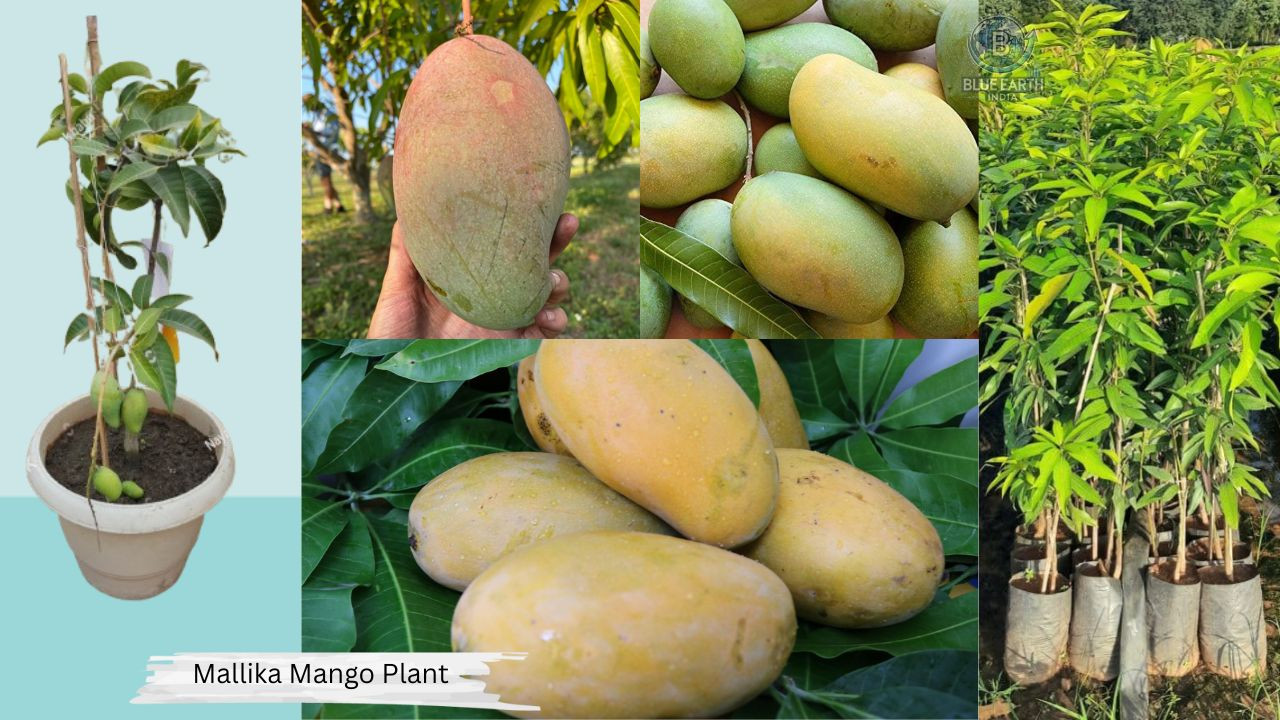
Malllika Mango Plant
Rs299.00
Rs598.00
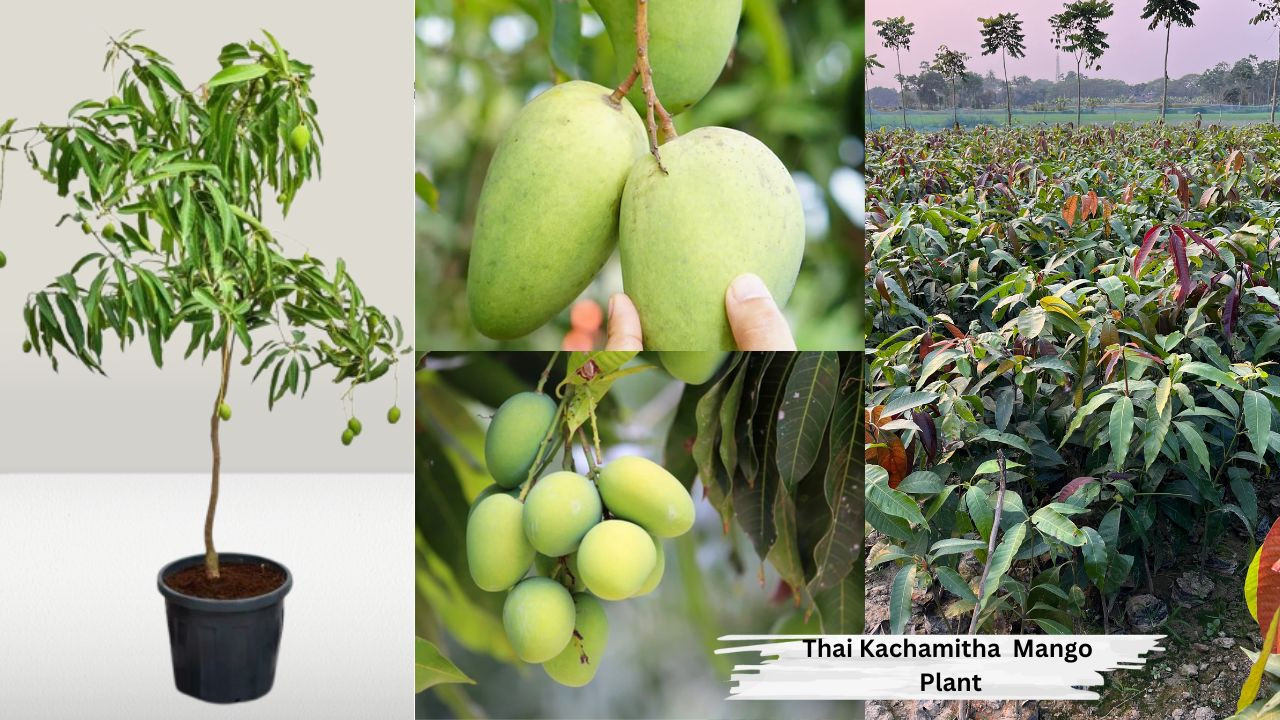
Thai Kachamitha Mango Plant
Rs598.00
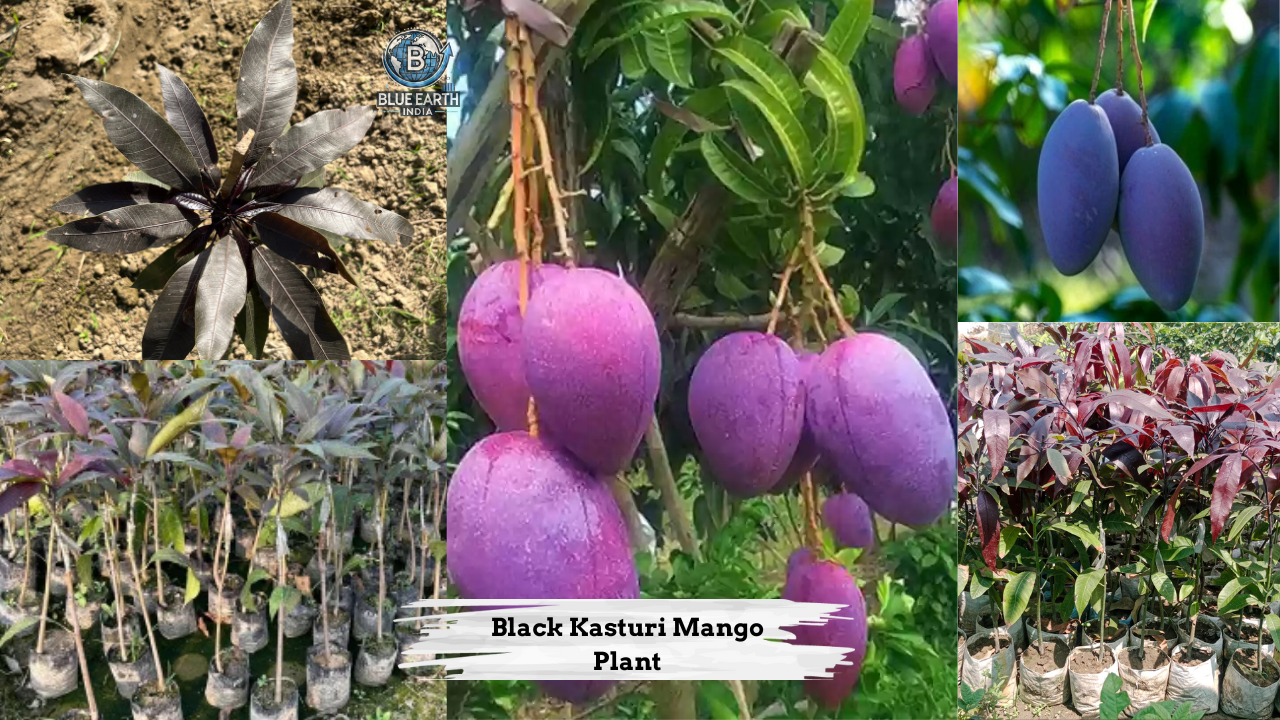
Black Kasturi Mango Plant
Rs598.00
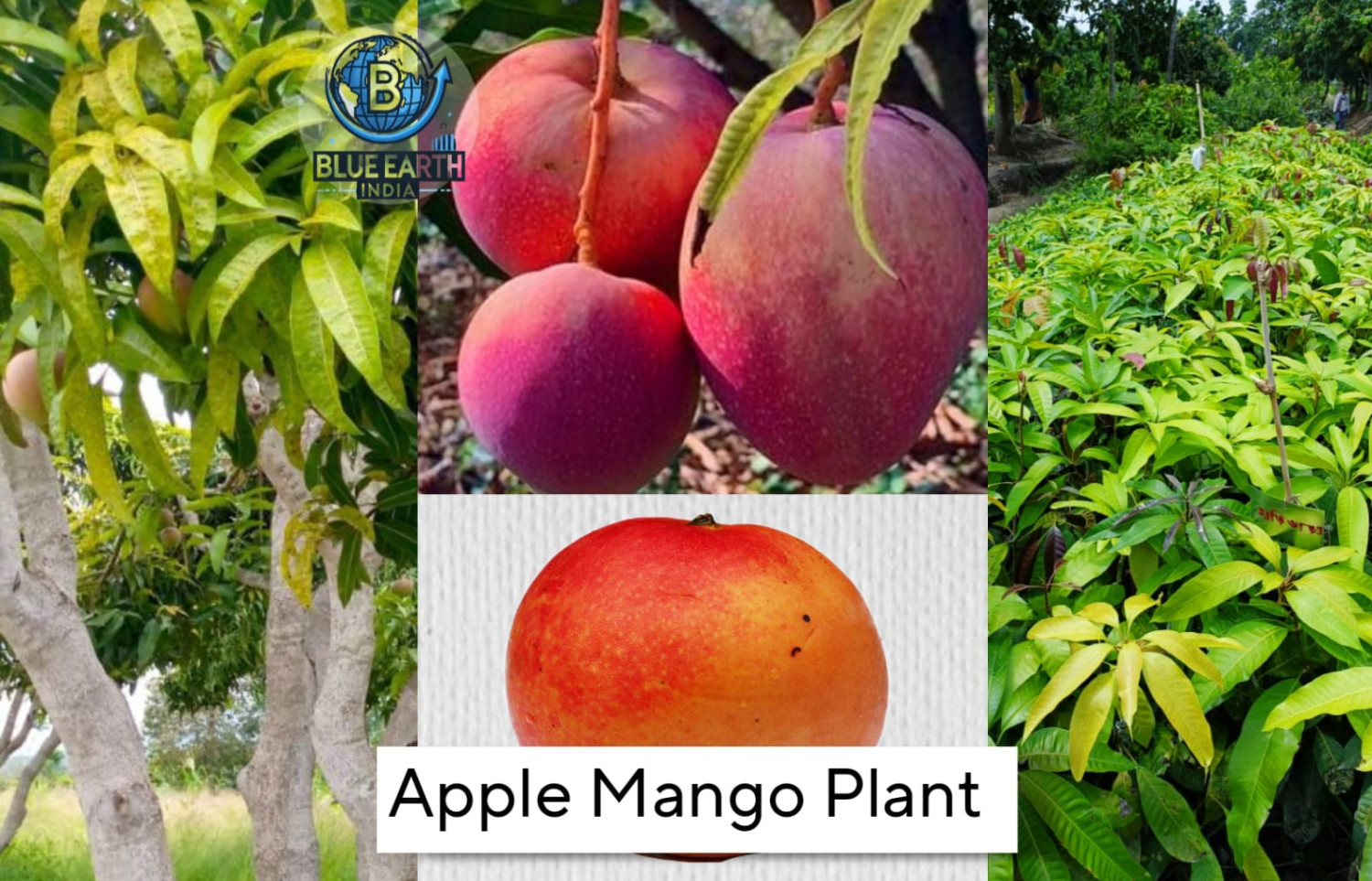
Apple Mango Plant
Rs249.00
Rs498.00
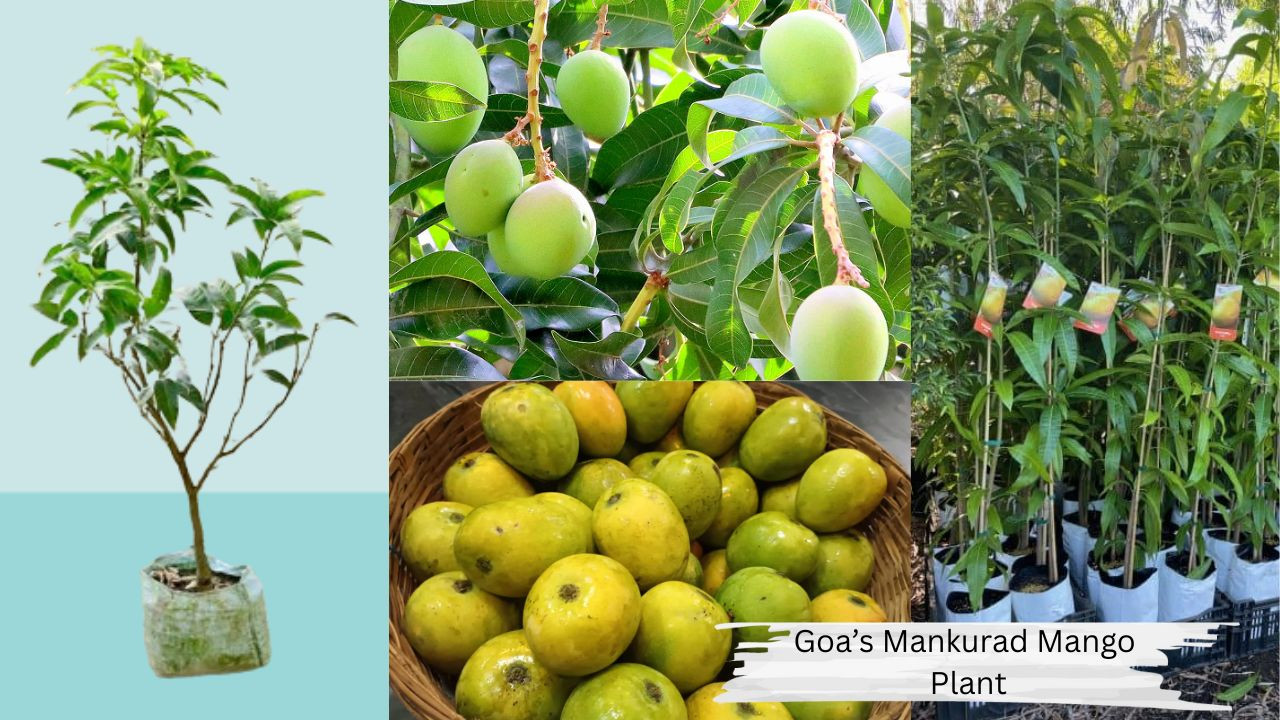
Goas Mankurad Mango Plant
Rs299.00
Rs598.00
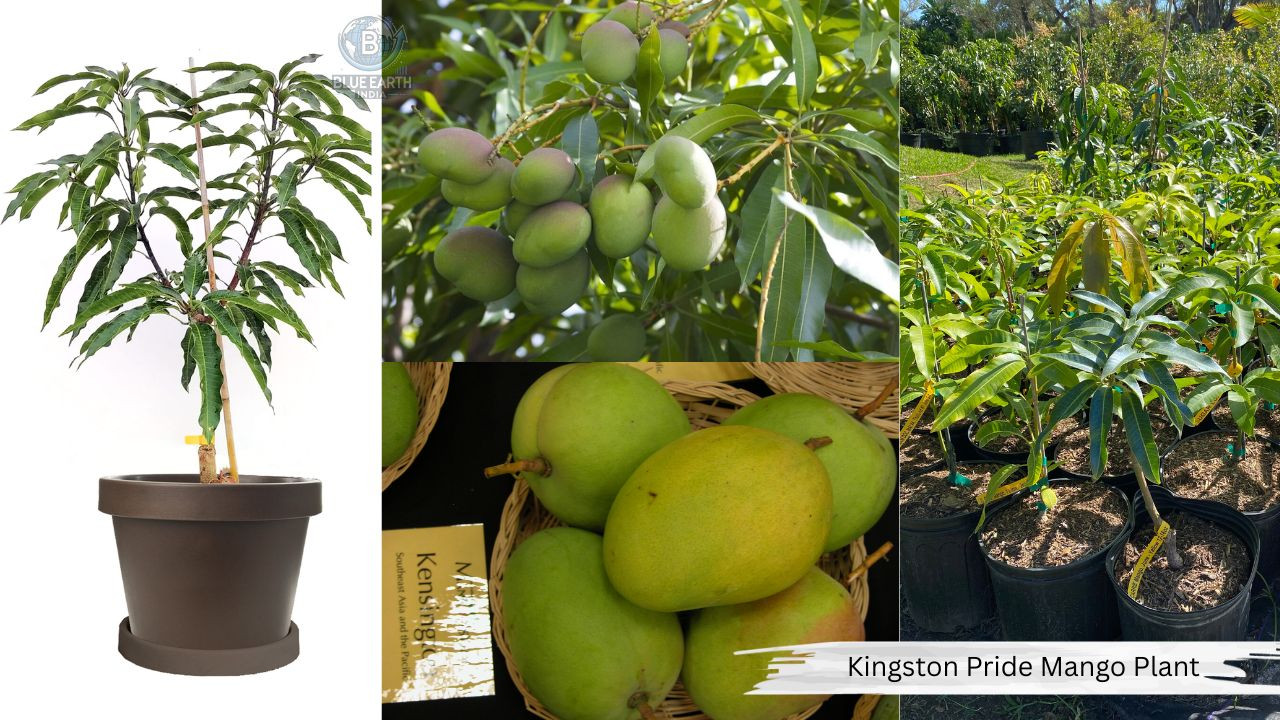
Kingston Pride Mango Plant
Rs449.00
Rs898.00
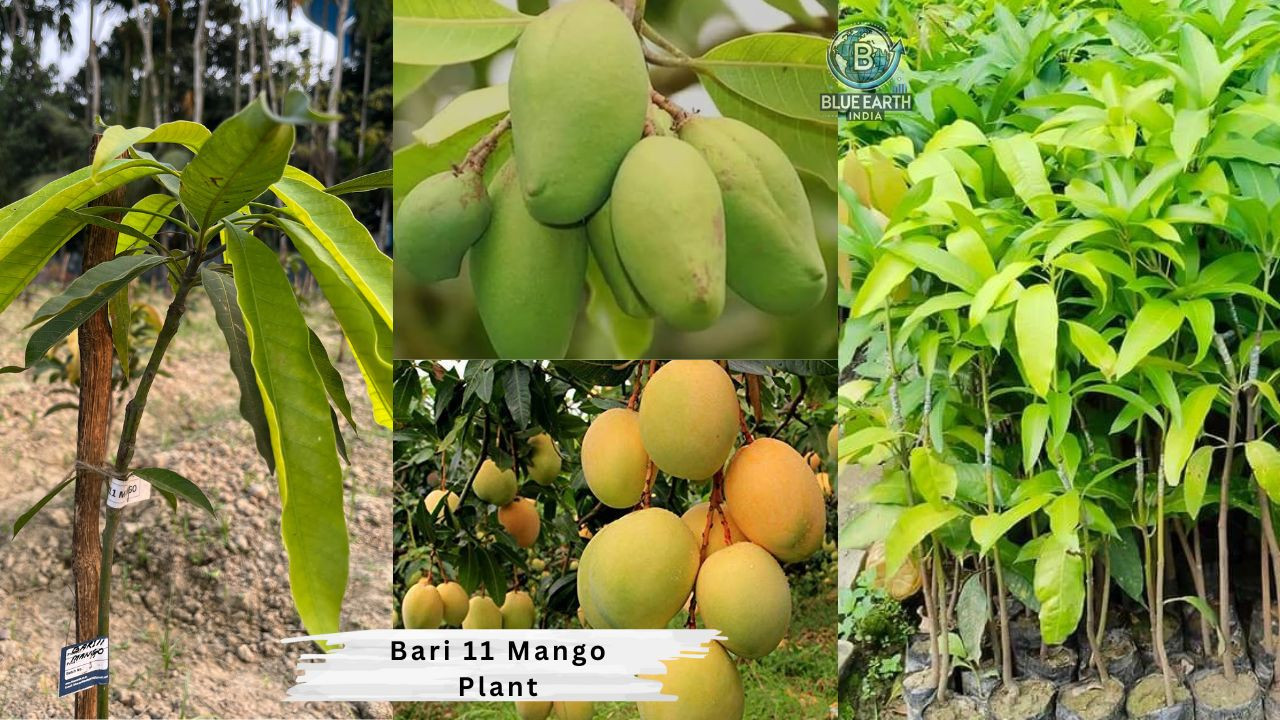
Bari 11 Mango Plant
Rs293.80
Rs565.00
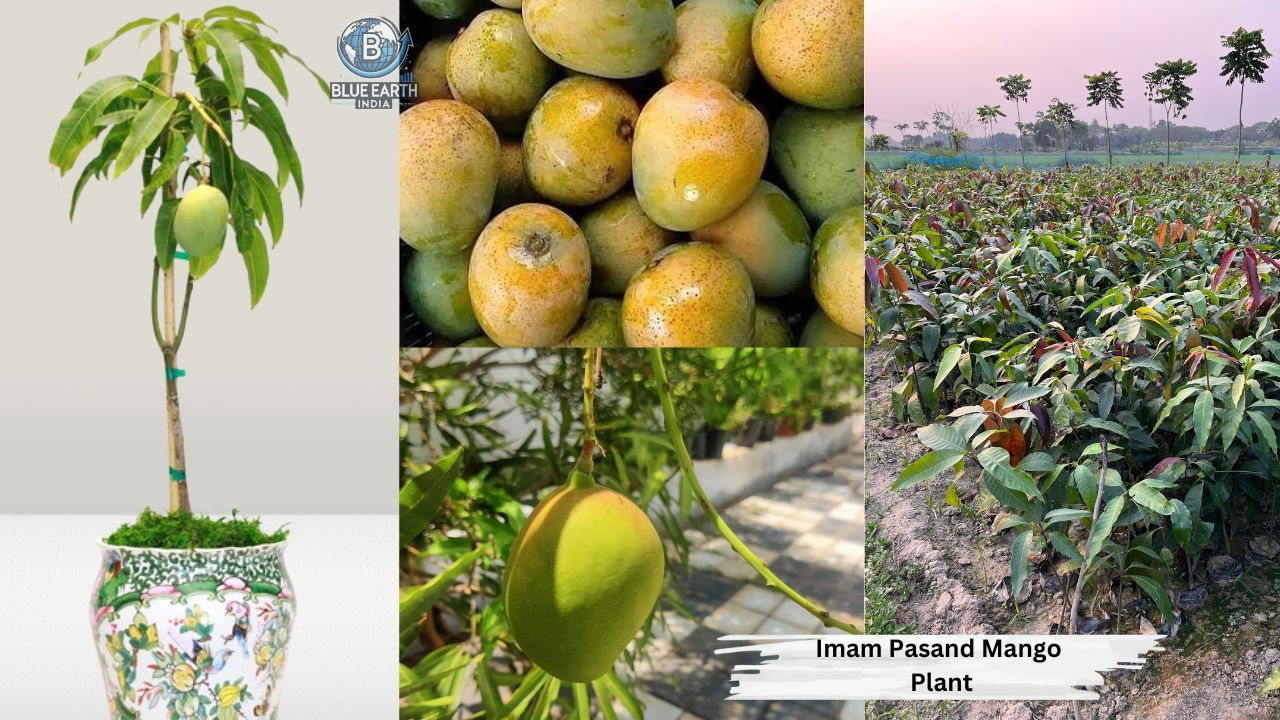
Imam Pasand Mango Plant
Rs598.00
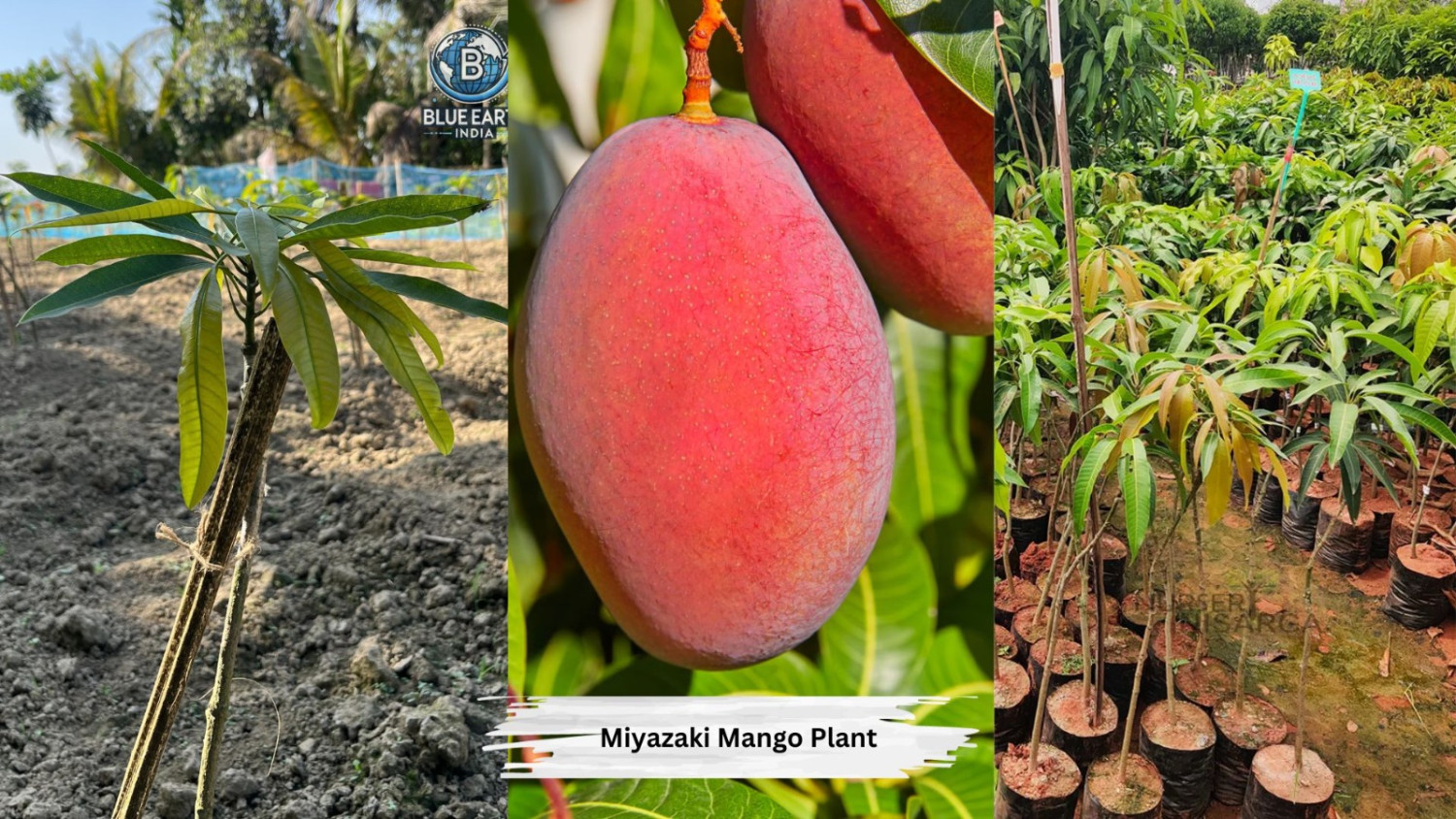
Miyazaki Mango Plant
Rs299.00
Rs598.00
Top Selling Products
-
Rs249.00
Rs498.00 -
Rs299.00
Rs598.00 -
Rs249.00
Rs498.00 -
Rs149.00
Rs596.00 -
Rs299.00
Rs598.00 -
Rs299.00
Rs598.00