


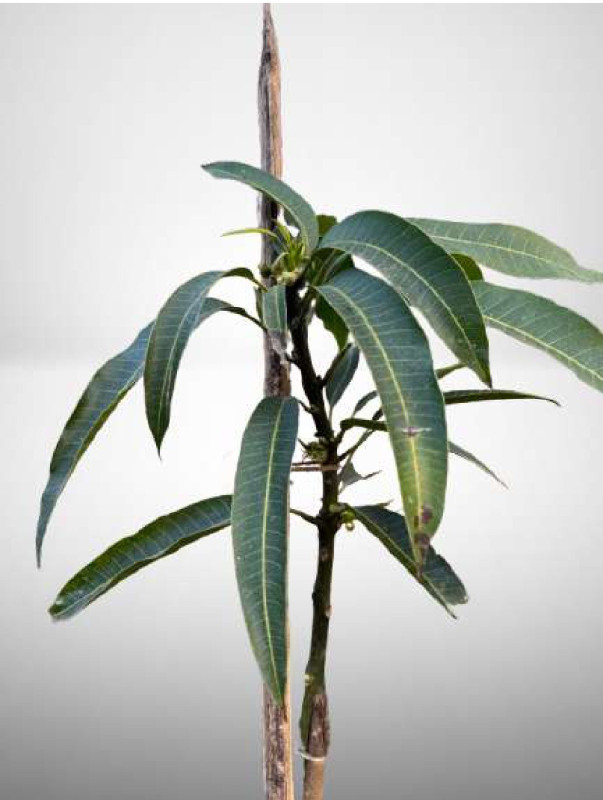
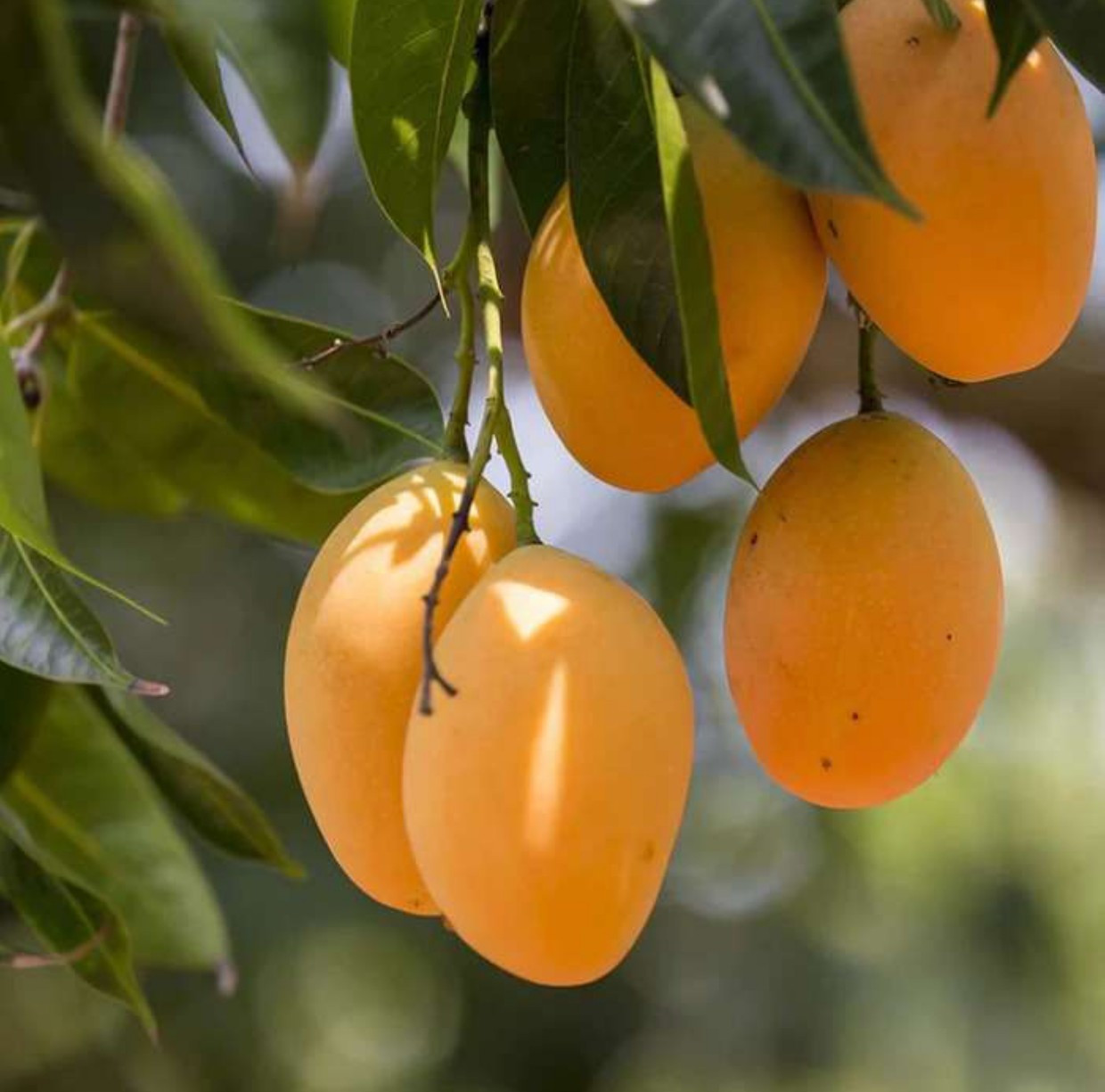
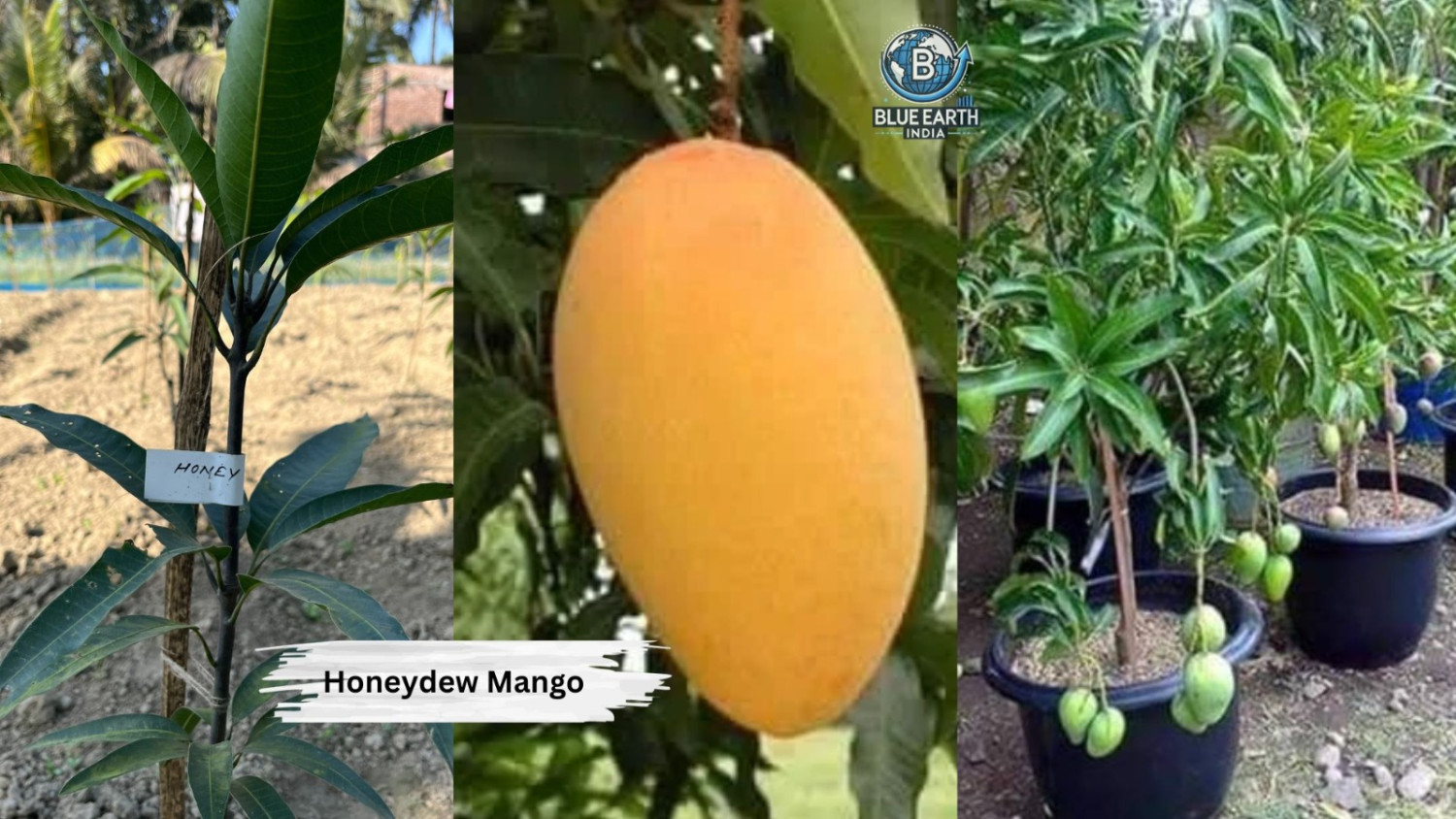
Honeydew Mango Plant
(0
reviews)
Estimate Shipping Time:
4 Days
Inhouse product
Price
Rs299.00
Rs598.00
/1 piece
-50%
Share
Top Selling Products
-
 Rs249.00
Rs498.00 -
Rs299.00
Rs598.00 -
Rs249.00
Rs498.00 -
Rs149.00
Rs596.00 -
Rs299.00
Rs598.00 -
Rs299.00
Rs598.00

Reviews & Ratings
0.00
out of 5.0
(0
reviews)
There have been no reviews for this product yet.
The Honey Dew Mango is a delicious and unique variety of mango known for its sweet, juicy flesh and smooth texture. It is a tropical mango variety that is prized for its honey-like sweetness and low fiber, making it perfect for fresh consumption. The Honey Dew Mango is often sought after for its rich, aromatic flavor, making it a favorite among mango lovers.
1. Scientific Classification:
- Scientific Name: Mangifera indica (Mango species)
- Common Name: Honey Dew Mango
- Family: Anacardiaceae
2. Origin:
- The Honey Dew Mango is believed to have originated in tropical regions and is widely cultivated in countries like India, Thailand, Philippines, and Mexico. It is a popular variety in tropical and subtropical climates.
3. Physical Characteristics:
- Size: The Honey Dew Mango is typically medium to large-sized, with a weight ranging from 200-400 grams (7-14 ounces). The fruit has a round to oval shape, making it easy to recognize.
- Skin: The skin of the Honey Dew Mango is generally yellow with a slight orange blush. The skin is thinner than some other mango varieties, which allows for easy peeling.
- Flesh: The flesh of the Honey Dew Mango is golden yellow, smooth, and fiberless. It has a creamy texture, making it very pleasant to eat. The flesh is juicy and sweet with a mild tang.
- Taste: Known for its honey-like sweetness, the Honey Dew Mango offers a balanced, rich flavor. It is less fibrous compared to other mango varieties, which makes it ideal for eating fresh.
4. Growth and Life Cycle:
- Growth Rate: The Honey Dew Mango tree grows at a moderate to fast rate. Once planted, it generally takes about 3 to 5 years to begin bearing fruit if grown from grafted trees.
- Tree Size: The tree itself is medium to large-sized, reaching heights of 10 to 15 feet or more, depending on the variety and growing conditions.
- Flowering and Fruiting: Honey Dew Mango trees typically begin flowering in spring, with the fruits ripening in summer. The trees are highly productive, yielding a high quantity of fruit per season.
- Lifespan: With proper care, Honey Dew Mango trees can live and bear fruit for several decades.
5. Climate and Soil Requirements:
- Climate: Honey Dew Mango trees thrive in warm, tropical or subtropical climates. They are best suited for USDA hardiness zones 10-11, which have consistently warm temperatures.
- Temperature: The trees prefer temperatures between 75-95°F (24-35°C) and cannot tolerate frost. They are highly sensitive to cold temperatures and may not survive frost or freezing conditions.
- Soil: Mango trees prefer well-drained, sandy-loam soil that is slightly acidic to neutral (pH 5.5-7.5). Well-drained soil is crucial to prevent root rot and encourage healthy root development.
- Watering: While the Honey Dew Mango tree is somewhat drought-tolerant once established, it benefits from regular watering during dry periods. Proper drainage is essential to prevent waterlogging, which can damage the roots.
6. Planting and Care:
- Planting: Honey Dew Mango trees are typically propagated through grafting to ensure the desirable characteristics of the variety are passed down. Grafted trees are more reliable and will produce fruit earlier than seedlings.
- Spacing: Mango trees should be spaced at least 10-15 feet apart to ensure proper airflow and sunlight exposure.
- Pruning: Regular pruning helps maintain a healthy tree shape, removes dead or diseased wood, and encourages better fruit production. Prune the tree in the early spring, before the flowering season.
- Fertilizing: Mango trees benefit from balanced fertilization during the growing season (spring and summer). Use a high-potassium fertilizer for better fruiting. Over-fertilizing can lead to excess foliage growth at the expense of fruit.
- Mulching: Apply organic mulch around the base of the tree to help retain moisture, regulate soil temperature, and suppress weeds. Ensure that mulch is not piled up against the trunk of the tree to prevent rot.
7. Pests and Diseases:
- Common Pests: Honey Dew Mango trees may face pests such as mealybugs, aphids, fruit flies, and scale insects. Regular inspection and use of organic pest control (such as neem oil) can help keep these pests under control.
- Diseases: The trees can also be susceptible to fungal diseases like powdery mildew, anthracnose, and root rot. Proper care, good air circulation, and the use of fungicides can help prevent these issues.
- Citrus Greening: Mango trees are not as susceptible to citrus greening disease as other citrus species, but it is still important to monitor the tree for pests like citrus psyllids.
8. Harvesting:
- Fruit Maturity: Honey Dew Mangoes typically take 3 to 4 months from flowering to reach full maturity. The fruit should be harvested when it has reached a yellow color, feels slightly soft to the touch, and has a sweet aroma.
- Harvesting Time: Mangoes can be gently twisted off the tree when ripe. Do not pull on the fruit, as it may damage the tree.
- Post-Harvest: Once harvested, Honey Dew Mangoes can ripen further at room temperature. If you want to store them for a longer period, place them in the refrigerator to slow down ripening.
9. Uses:
- Fresh Consumption: The Honey Dew Mango is perfect for eating fresh due to its sweet, smooth, and fiberless flesh. It is a popular choice for fruit salads, slices, or as a snack.
- Juices and Smoothies: Its juicy and sweet flesh makes it an excellent ingredient for mango juices, smoothies, and cocktails.
- Desserts: Honey Dew Mangoes can be used in mango desserts, including mango puddings, tarts, cakes, and ice cream.
- Mango Salsas: Combine the sweet flesh of the Honey Dew Mango with spicy ingredients like chili peppers, cilantro, and lime to create a delicious mango salsa.
- Canning and Preserves: You can also preserve Honey Dew Mangoes by making mango jams or pickles.
10. Health Benefits:
- Rich in Vitamin C: Honey Dew Mangoes are an excellent source of Vitamin C, which helps boost the immune system and promotes healthy skin.
- Antioxidants: Mangoes contain antioxidants like beta-carotene and flavonoids, which help protect cells from oxidative stress.
- Digestive Health: Mangoes contain dietary fiber, which promotes digestion and helps regulate bowel movements.
- Low in Calories: Honey Dew Mangoes are low in calories, making them a healthy snack choice for those looking to maintain a balanced diet.
Frequently Bought Products
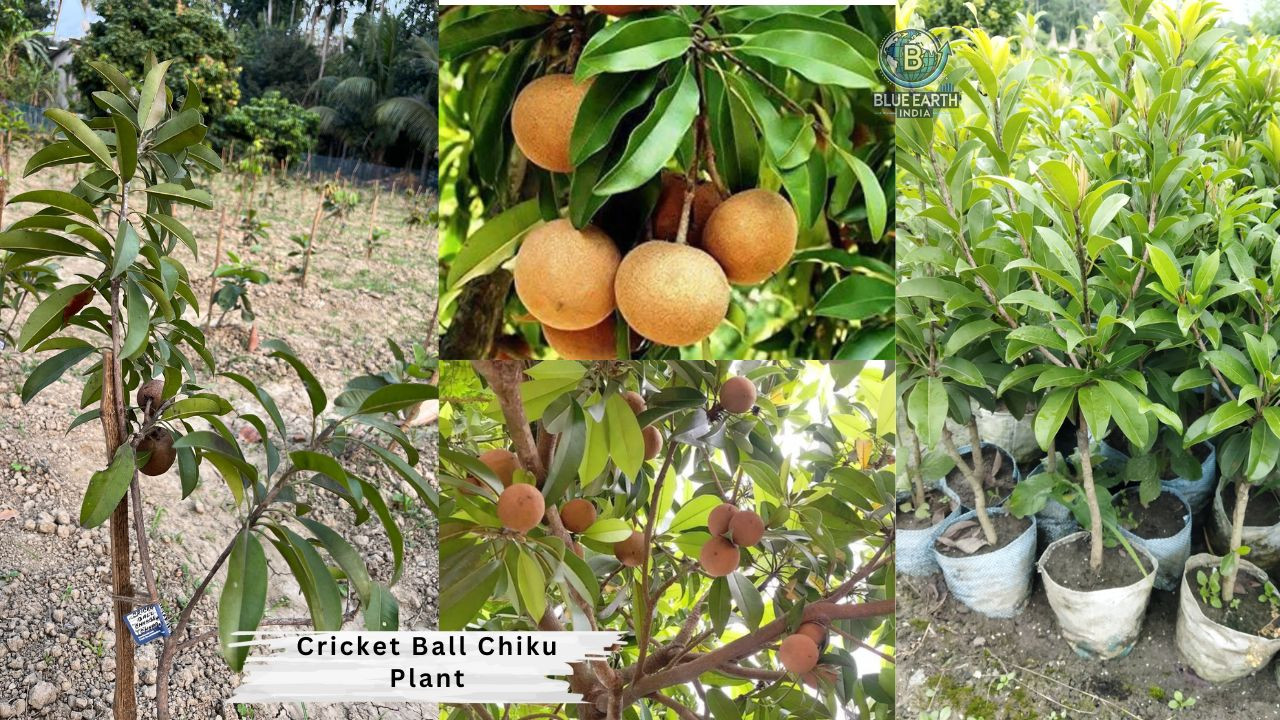
Cricket Ball Chiku Plant
Rs249.00
Rs498.00
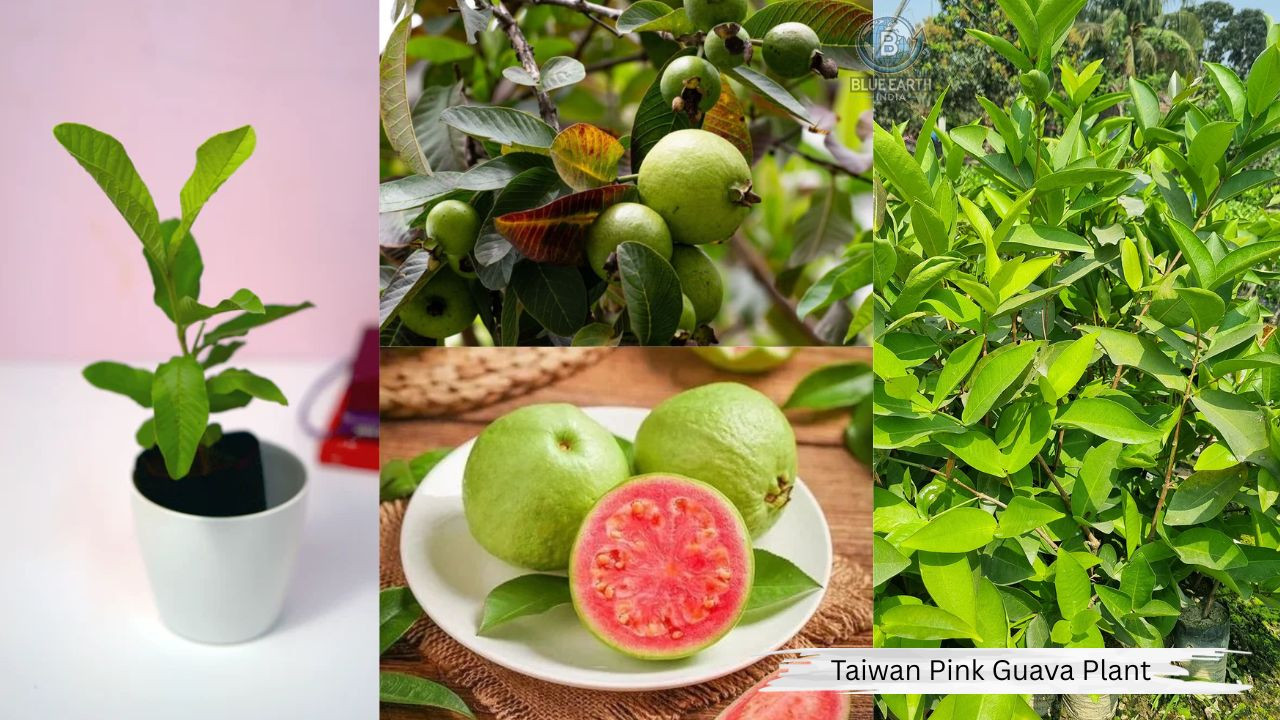
Taiwan Pink Guava Plant
Rs299.00
Rs598.00
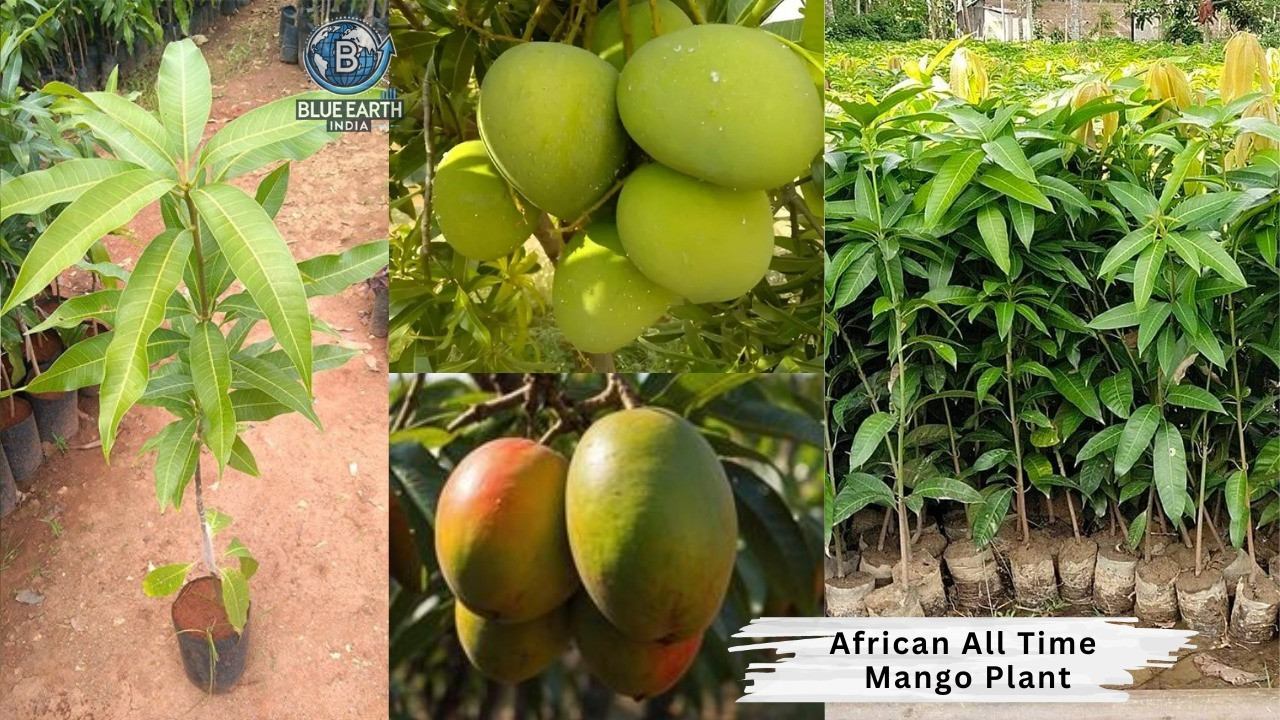
African All Time Mango Plant
Rs4,887.00
Rs8,145.00

Dokopom Lemon Plant
Rs199.00
Rs398.00
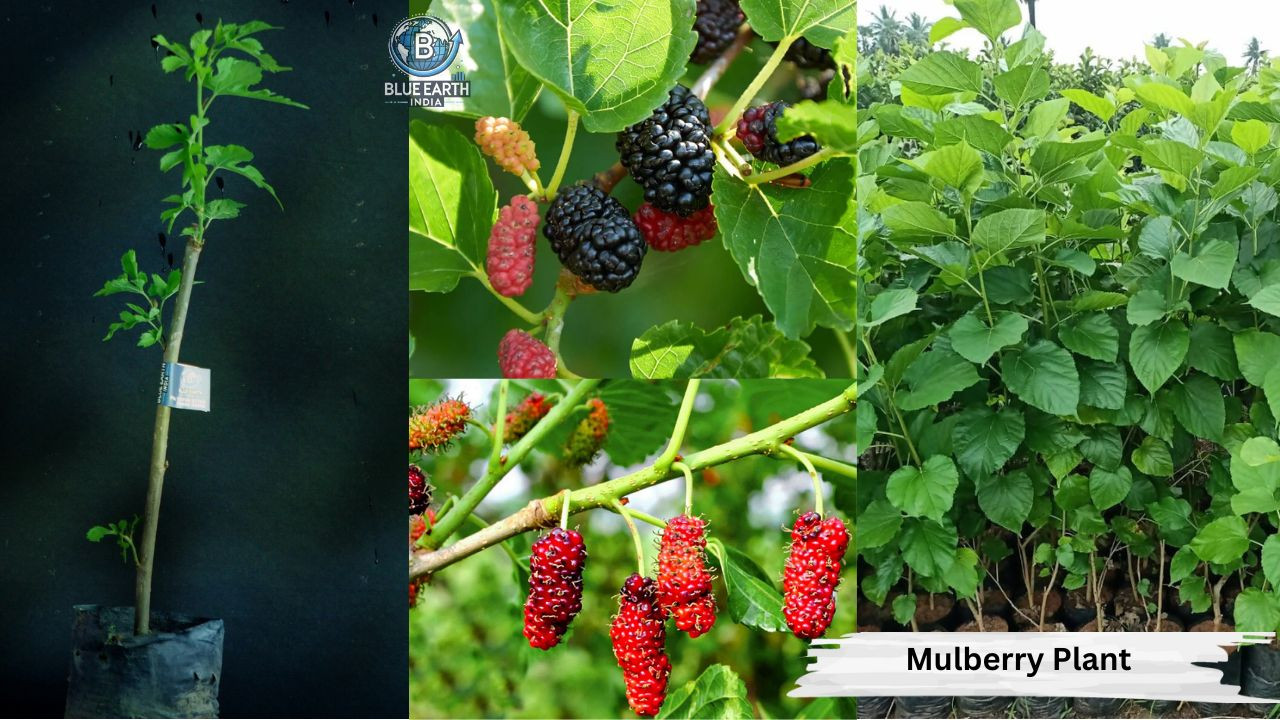
Mulberry Plant
Rs297.00
Rs990.00
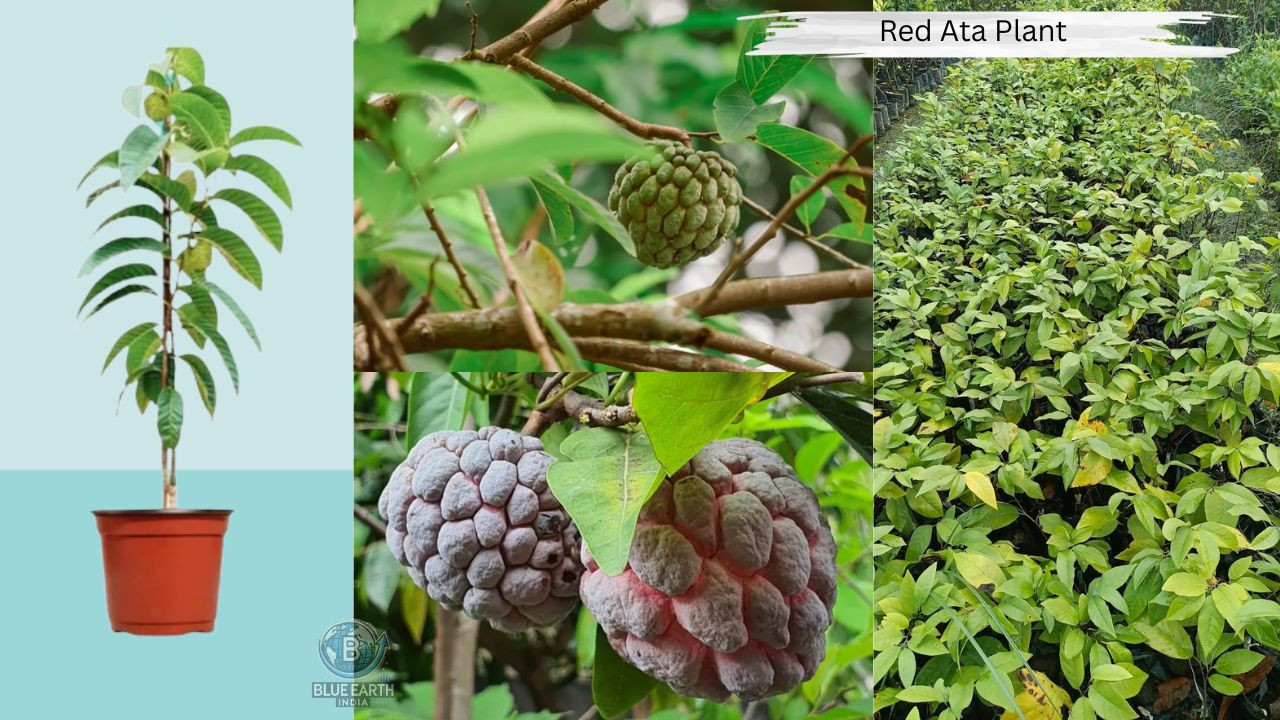
Red Custard (Ata ) Plant
Rs244.80
Rs765.00
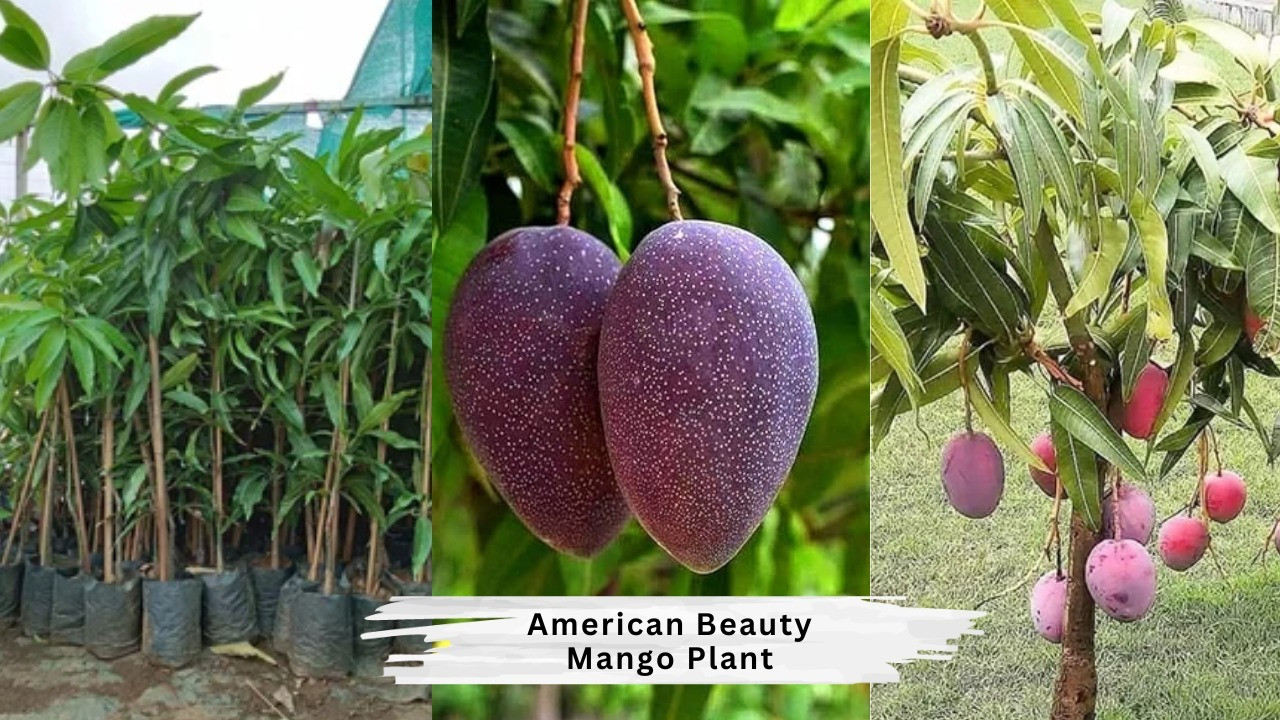
American Beauty Mango Plant
Rs10,212.00
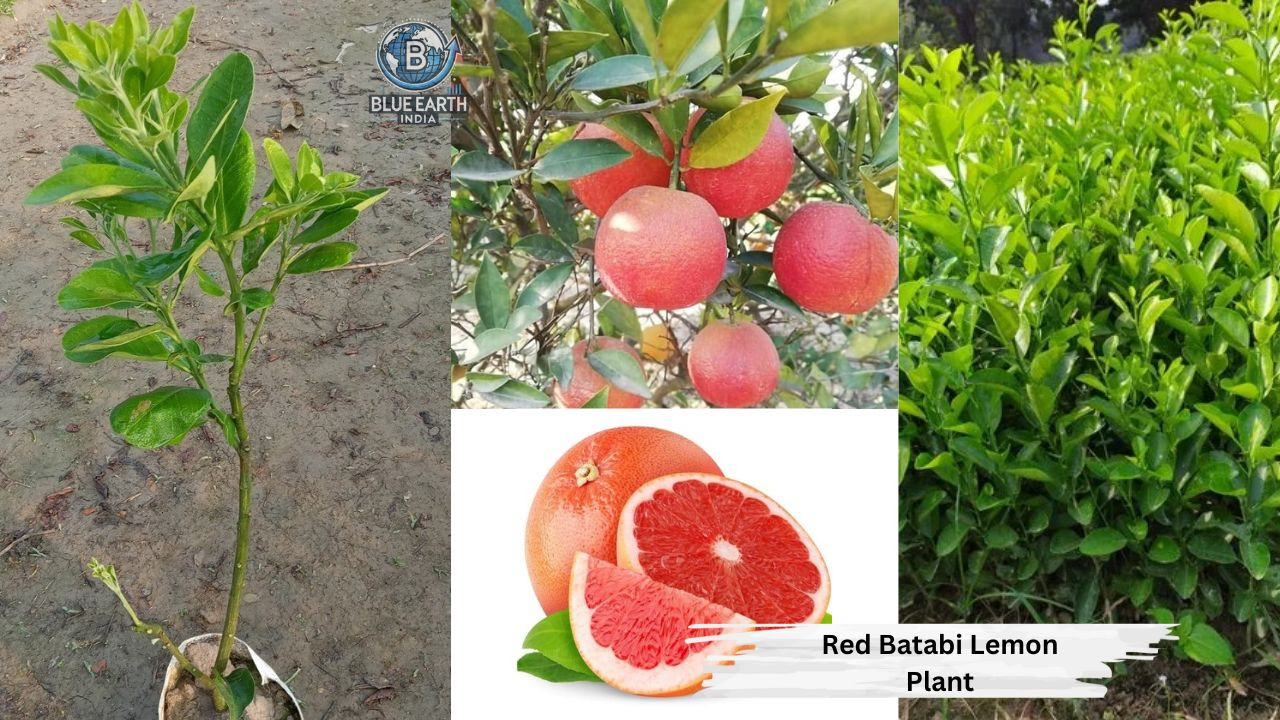
Red Batabi Lemon Plant
Rs201.00
Rs670.00
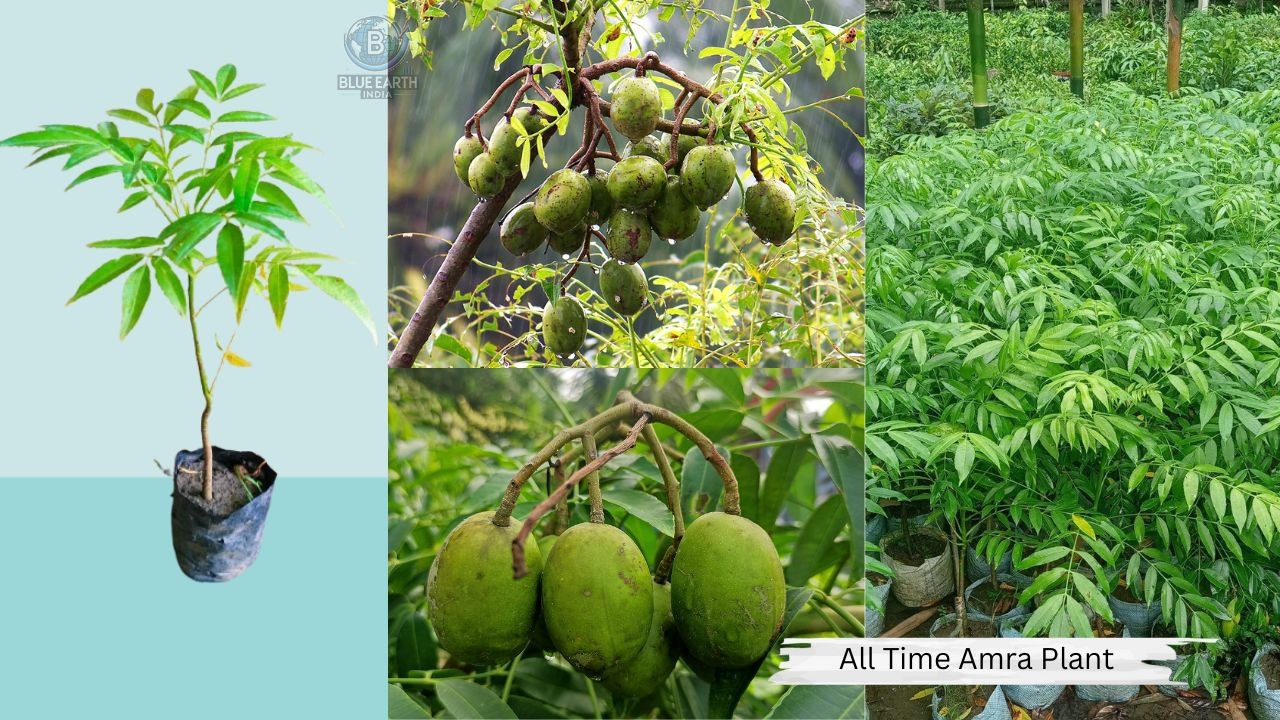
All Time Amra Plant
Rs249.00
Rs498.00
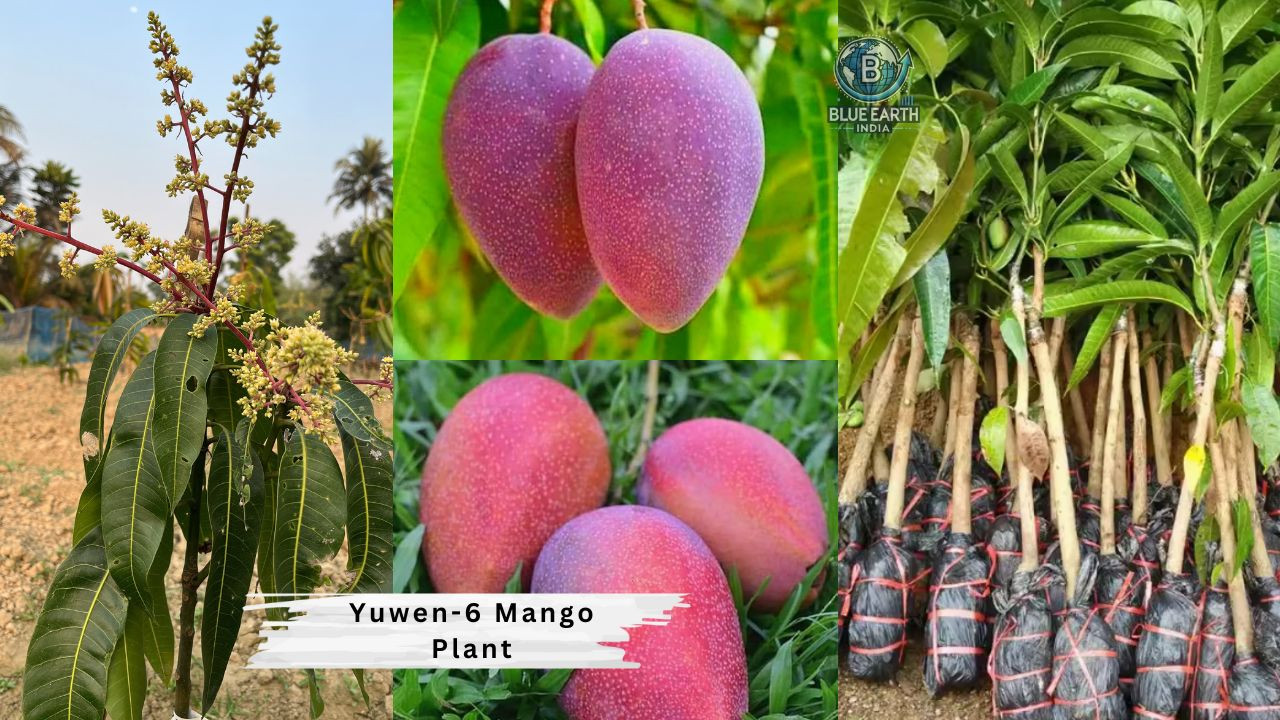
Yuwen-6 Mango Plant
Rs299.00
Rs598.00
Top Selling Products
-
Rs249.00
Rs498.00 -
Rs299.00
Rs598.00 -
Rs249.00
Rs498.00 -
Rs149.00
Rs596.00 -
Rs299.00
Rs598.00 -
Rs299.00
Rs598.00