


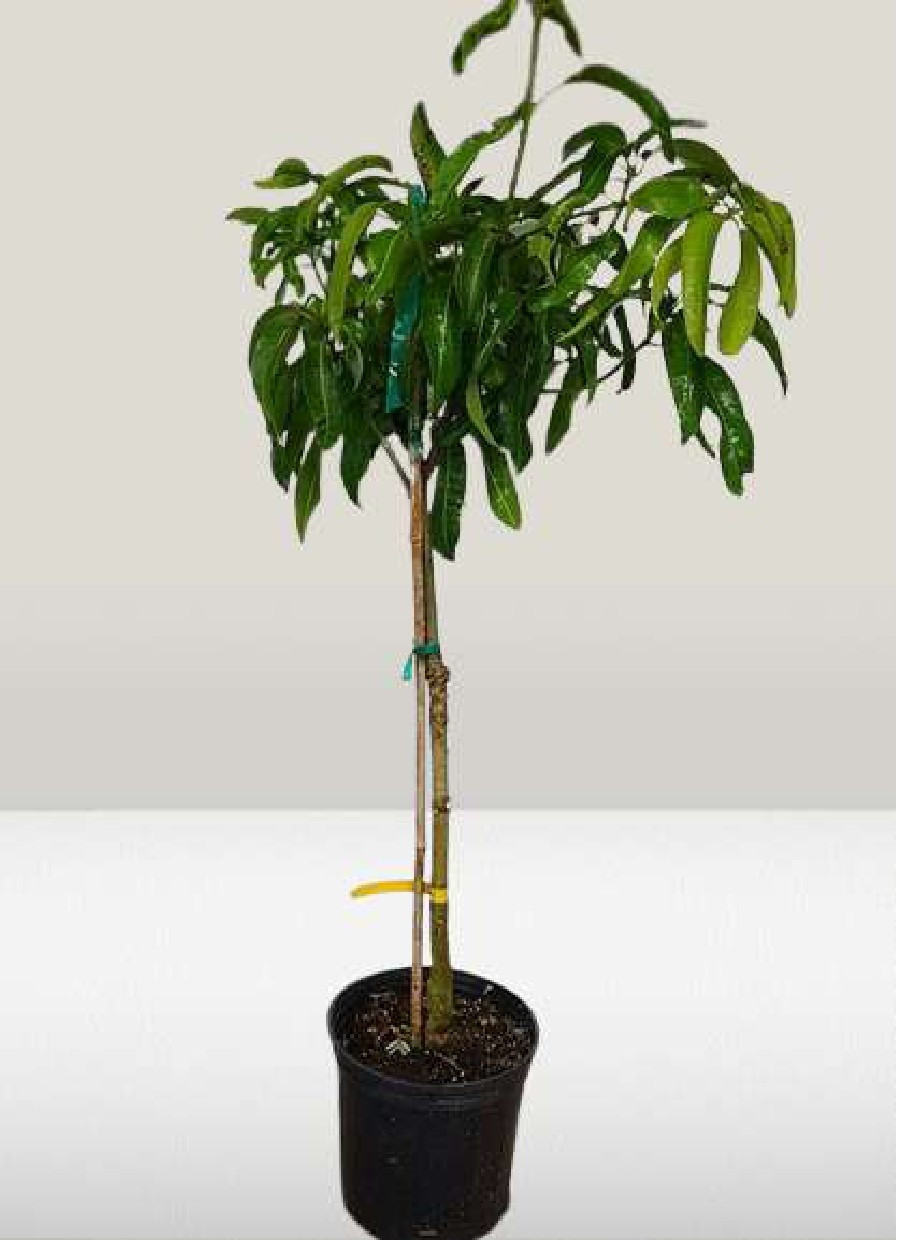
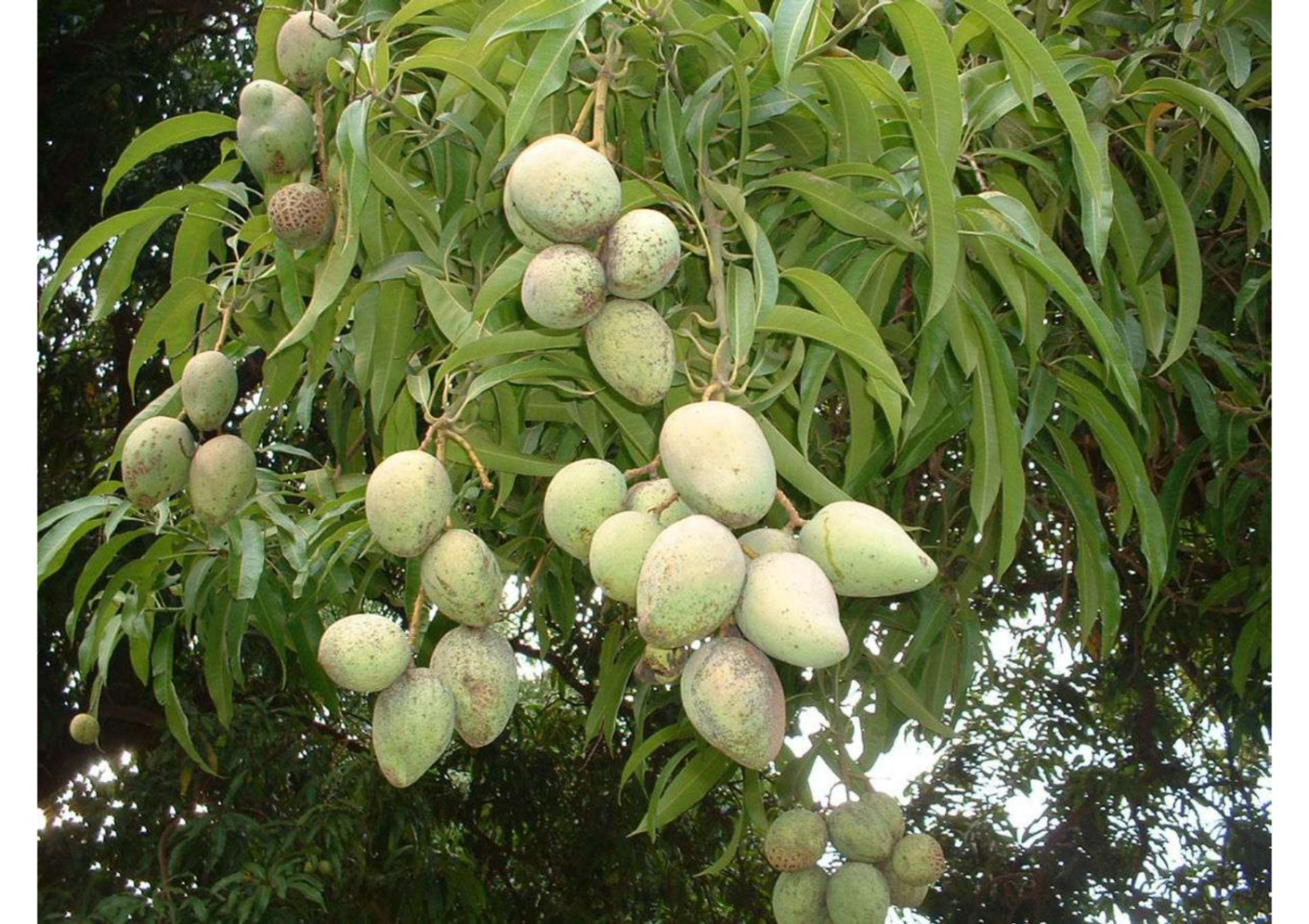
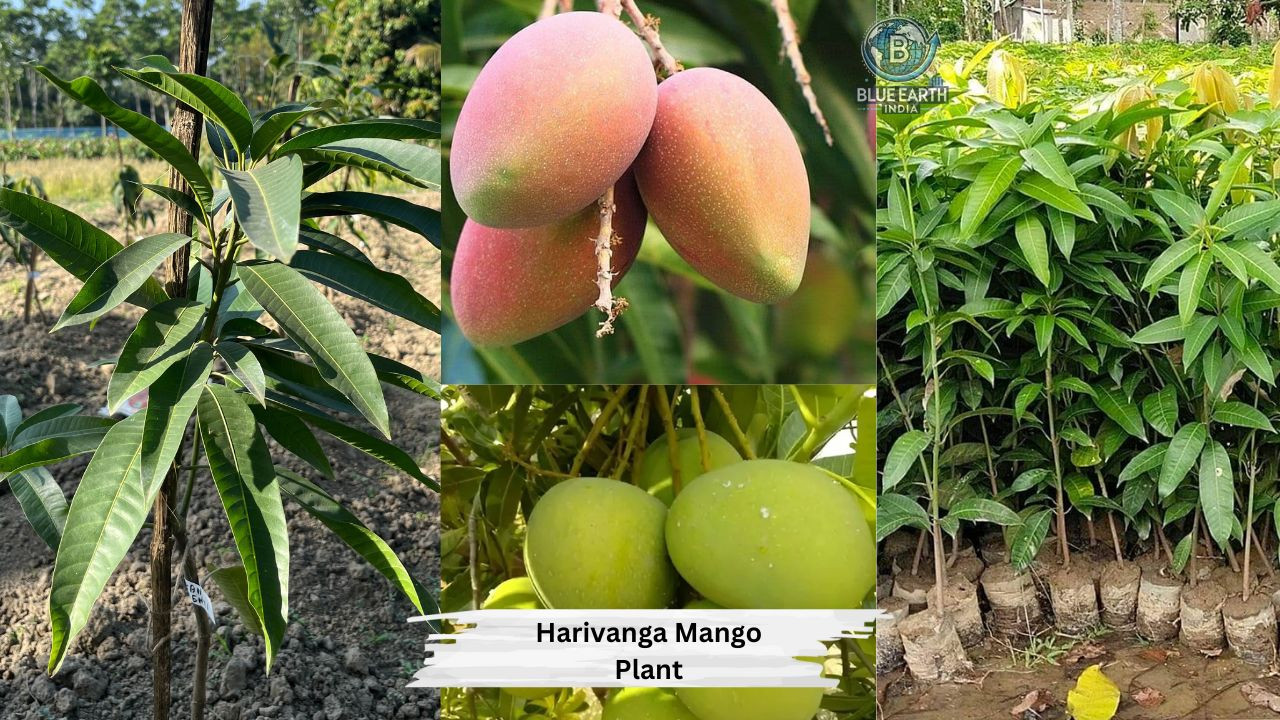
Harivanga Mango Plant
(0
reviews)
Estimate Shipping Time:
4 Days
Inhouse product
Price
Rs598.00
/1 pices
Share
Top Selling Products
-
 Rs249.00
Rs498.00 -
Rs299.00
Rs598.00 -
Rs249.00
Rs498.00 -
Rs149.00
Rs596.00 -
Rs299.00
Rs598.00 -
Rs299.00
Rs598.00
Reviews & Ratings
0.00
out of 5.0
(0
reviews)
There have been no reviews for this product yet.
The Harivanga Mango is a highly prized and flavorful mango variety, primarily grown in India. Known for its delicious taste, sweetness, and unique aroma, the Harivanga Mango is a favorite among mango enthusiasts. Here's a detailed look at the Harivanga Mango plant:
1. Origin:
- The Harivanga Mango is an Indian variety and is particularly popular in the southern and western regions of India, especially in states like Karnataka, Maharashtra, and Andhra Pradesh.
- It is sometimes referred to as the "King of Mangoes" in certain regions due to its premium quality.
2. Appearance:
- Tree Size: The Harivanga Mango tree is typically a medium-sized tree, reaching a height of about 15–25 feet (4.5 to 7.5 meters).
- Leaves: The tree has large, glossy green leaves that are characteristic of mango trees.
- Fruit Characteristics:
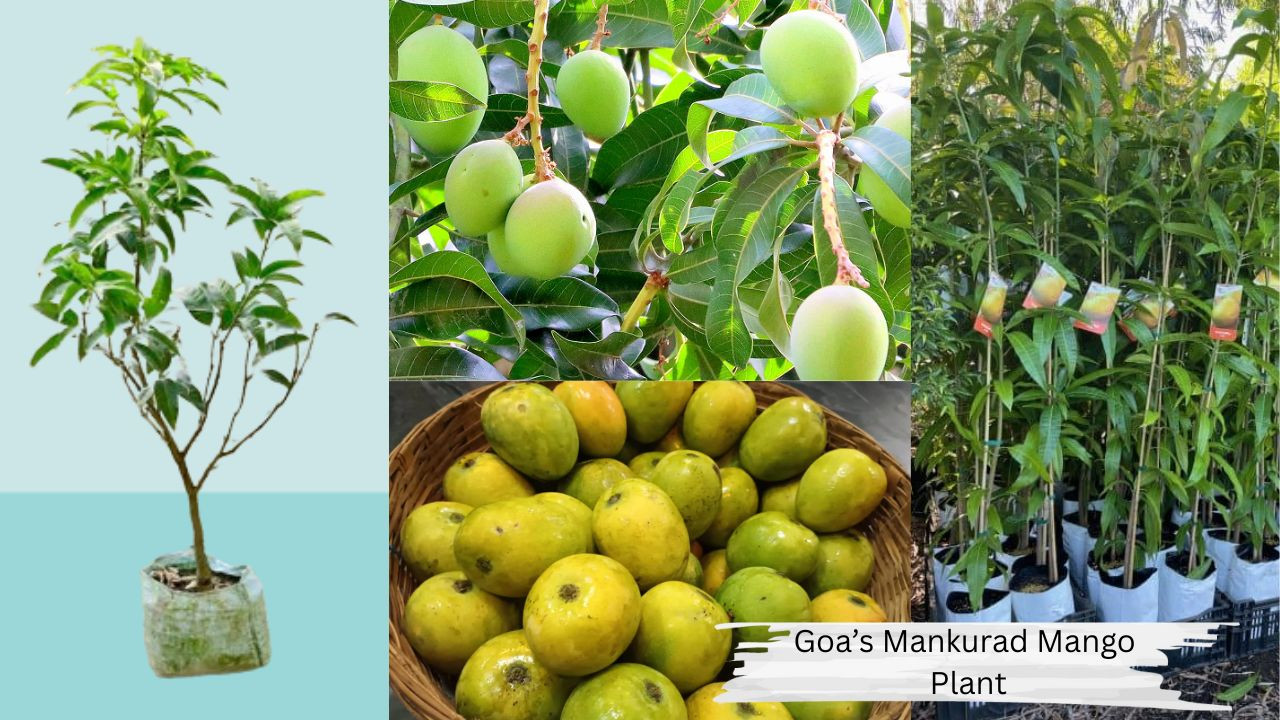
- The fruit is medium to large in size, with an oblong shape.
- The skin is yellowish-orange with a slight reddish tinge when ripe, giving it a vibrant and attractive appearance.
- The flesh inside is golden yellow, smooth, fiberless, and highly juicy.
3. Flavor and Texture:
- The Harivanga Mango is famous for its rich, sweet flavor and aromatic scent, which makes it stand out from other mango varieties.
- It has a smooth, fiberless flesh, making it easy to eat and ideal for fresh consumption, as well as for use in mango-based products such as juices and desserts.
- The mango's sweetness is well-balanced with just a hint of tanginess, making it one of the most beloved varieties.
4. Growing Conditions:
- Climate: The Harivanga Mango thrives in tropical and subtropical climates, needing warm temperatures and sunny conditions to grow and produce high-quality fruit.
- Soil: The tree prefers well-drained, fertile soil, such as loamy or sandy soil with a slightly acidic to neutral pH level. Good drainage is important, as mango trees do not tolerate waterlogged soil.
- Watering: While mango trees are relatively drought-tolerant once established, the Harivanga Mango requires regular watering during the growing and fruiting season to ensure healthy growth and high fruit yield.
- Sunlight: Like all mango trees, it needs full sunlight (at least 6–8 hours a day) to thrive and produce high-quality fruit.
5. Yield and Harvesting:
- Moderate Yield: The Harivanga Mango tree is known for its moderate to high yield, producing a large number of fruits during the mango season.
- Harvesting Time: The mangoes typically ripen in the summer months, around May to June, depending on local climate and growing conditions.
- Mature Trees: The tree begins to bear fruit around 3–5 years after planting, and with proper care, it can continue to produce fruit for several decades.
6. Disease Resistance:
- The Harivanga Mango is relatively resistant to many common mango diseases, such as powdery mildew and Anthracnose, but it can still be affected by pests like fruit flies and mango weevils.
- Regular monitoring, proper care, and pest management are essential to ensure healthy tree growth and fruit production.
7. Uses:
- Fresh Consumption: The Harivanga Mango is primarily eaten fresh due to its sweet flavor and smooth, fiberless texture.
- Mango-Based Products: It is also used in making mango juices, mango lassi, smoothies, and mango desserts such as mango ice cream, mango pudding, and mango chutneys.
- Culinary Uses: This mango is often used in Indian cuisine for preparing pickles and mango salads due to its excellent flavor.
8. Pruning and Care:
- Pruning: Regular pruning is important to maintain the tree's shape and remove any dead or diseased branches. Pruning also helps improve air circulation and encourages the growth of new fruiting branches.
- Fertilization: The tree benefits from balanced fertilizers, especially during the growing season. Organic fertilizers like compost or manure can also be used to improve soil fertility.
9. Commercial and Home Cultivation:
- Commercial Farming: The Harivanga Mango is widely grown in mango orchards for commercial purposes, particularly in regions with ideal climatic conditions for mango cultivation. Its high quality and excellent taste make it a desirable variety in the market.
- Home Gardening: Home gardeners can also grow the Harivanga Mango in tropical and subtropical regions. It is an excellent choice for home orchards, provided the tree has enough space to grow and sufficient sunlight.
Frequently Bought Products
Top Selling Products
-
Rs249.00
Rs498.00 -
Rs299.00
Rs598.00 -
Rs249.00
Rs498.00 -
Rs149.00
Rs596.00 -
Rs299.00
Rs598.00 -
Rs299.00
Rs598.00