


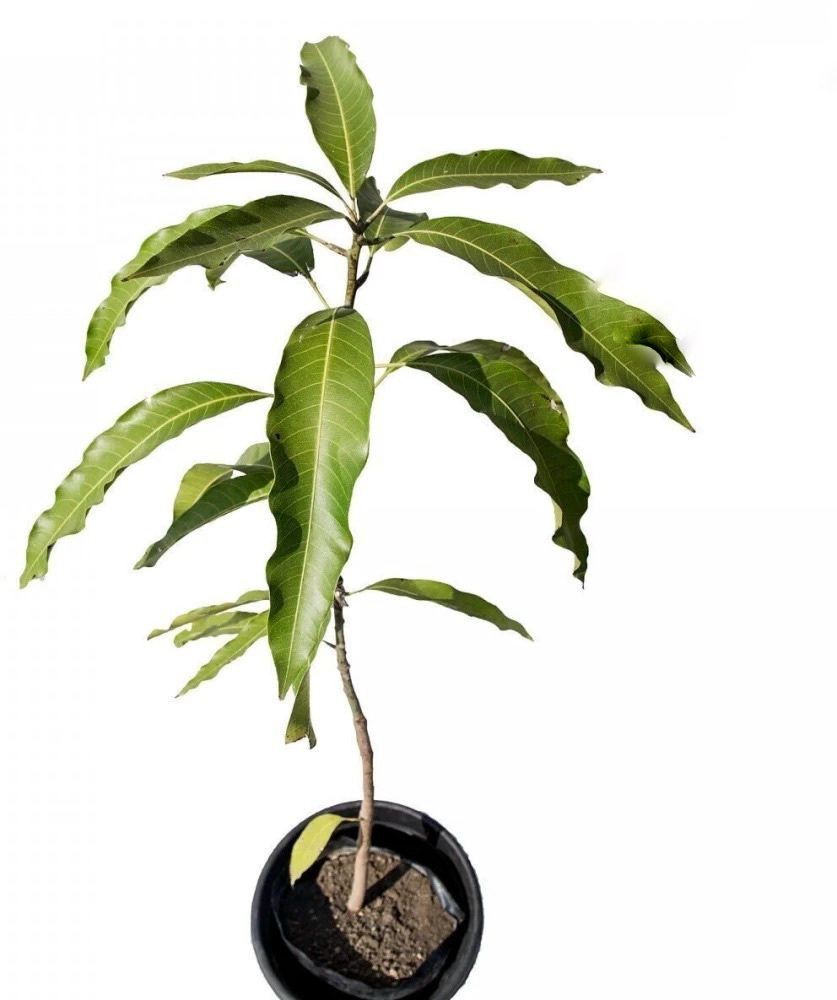
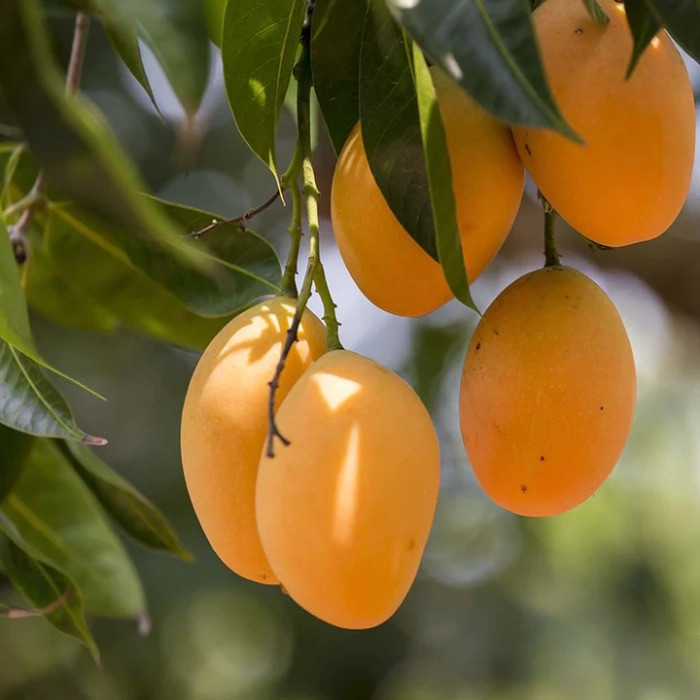
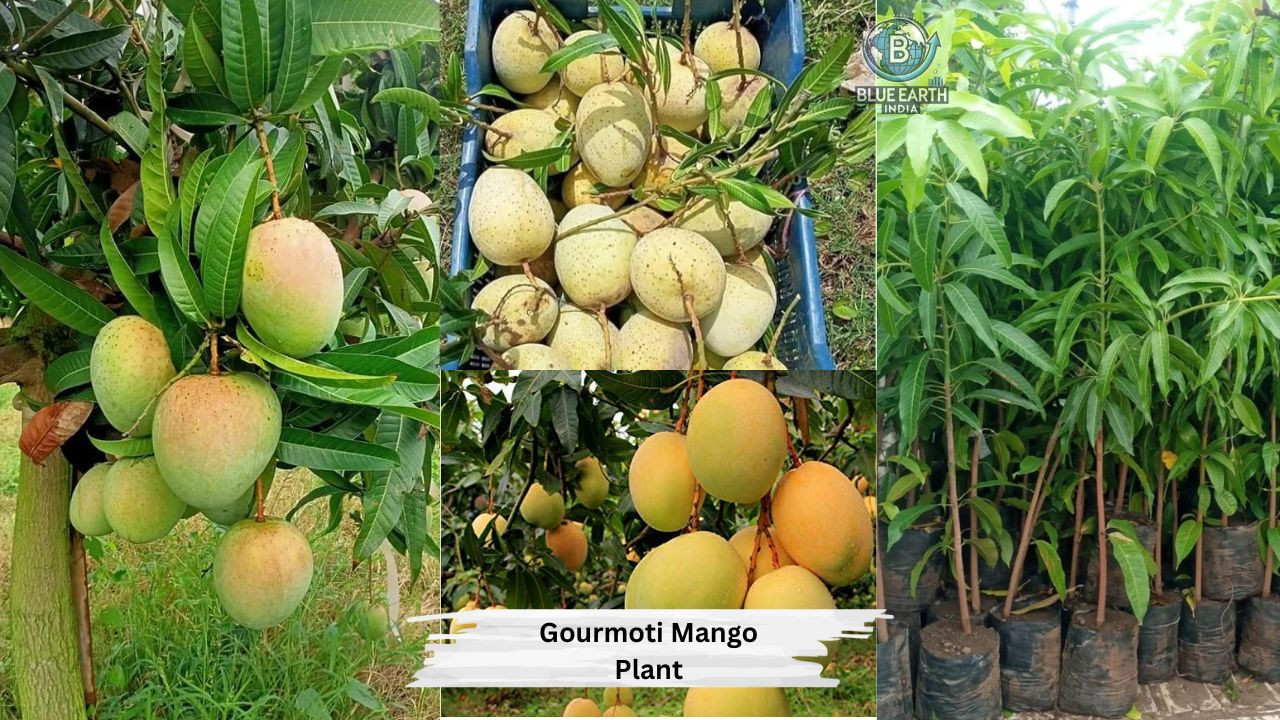
Gourmati Mango Plant
(0
reviews)
Estimate Shipping Time:
4 Days
Inhouse product
Price
Rs598.00
/1 piece
Share
Top Selling Products
-
 Rs249.00
Rs498.00 -
Rs299.00
Rs598.00 -
Rs249.00
Rs498.00 -
Rs149.00
Rs596.00 -
Rs299.00
Rs598.00 -
Rs299.00
Rs598.00
Reviews & Ratings
0.00
out of 5.0
(0
reviews)
There have been no reviews for this product yet.
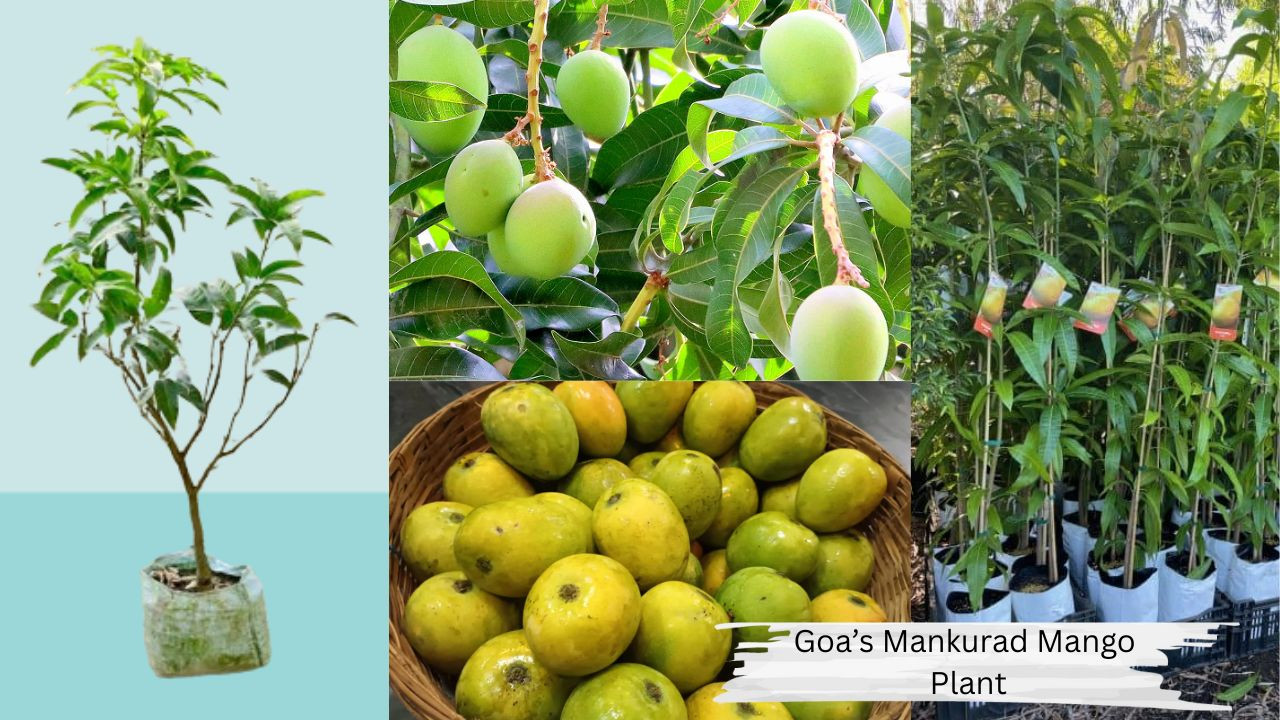
The Gourmati Mango is a unique and highly sought-after mango variety, known for its delicious taste and distinctive characteristics. It is mostly grown in regions with tropical climates and is popular in India and other parts of South Asia. Here’s an in-depth overview of the Gourmati Mango plant:
1. Origin:
- The Gourmati Mango is believed to have originated in India, where it is prized for its exceptional flavor and high-quality fruit.
- It is a traditional variety found in specific regions of India and is considered a local favorite.
2. Appearance:
- Tree Size: The Gourmati Mango tree is medium to large and can reach up to 15–20 feet (4.5 to 6 meters) in height.
- Leaves: Like other mango trees, the Gourmati has large, glossy, dark green leaves.
- Fruit Characteristics:
- The fruit is typically medium to large in size and has a round to oval shape.
- The skin of the fruit is usually greenish-yellow when ripe, with a slightly reddish tint near the top.
- The flesh is bright yellow, smooth, and fiberless, with a rich, sweet flavor.
3. Flavor and Texture:
- The Gourmati Mango is highly regarded for its sweet, aromatic flavor. The fruit is known for its smooth, fiberless flesh, making it a great choice for fresh consumption.
- The rich flavor and smooth texture make it ideal for mango-based desserts, smoothies, and juices.
4. Growing Conditions:
- Climate: The Gourmati Mango thrives in tropical and subtropical climates, requiring warm temperatures and plenty of sunlight for optimal growth and fruit production.
- Soil: The tree prefers well-drained, fertile soil with a slightly acidic to neutral pH. Mango trees like loamy or sandy soil and should be planted in areas where water doesn't collect, as they do not tolerate waterlogging.
- Watering: While mango trees are somewhat drought-tolerant, they need consistent watering during the fruit development period to promote healthy growth. However, care should be taken to avoid overwatering.
- Sunlight: Like all mango trees, the Gourmati Mango requires full sunlight for at least 6-8 hours a day to ensure optimal fruit production.
5. Yield and Harvesting:
- Moderate Yield: The Gourmati Mango tree produces a moderate yield of fruit, typically during the mango season, which is usually in summer (around May to June in tropical regions).
- Mature Trees: The tree generally starts producing fruit about 3-5 years after planting, depending on the growing conditions and care provided.
6. Disease Resistance:
- The Gourmati Mango is relatively resistant to common mango diseases, such as Anthracnose and powdery mildew, but it may still be vulnerable to pests like fruit flies and mango weevils.
- Proper pest control and disease management practices should be followed to ensure healthy growth.
7. Uses:
- Fresh Consumption: The Gourmati Mango is mainly consumed fresh due to its sweet taste and fiberless texture.
- Juices and Smoothies: It is also popular in making mango juices, smoothies, and mango lassi.
- Desserts and Products: The Gourmati Mango is perfect for desserts such as mango ice cream, mango pudding, and mango chutneys.
8. Pruning and Care:
- Pruning: Regular pruning is necessary to maintain the tree’s shape, promote healthy growth, and ensure proper air circulation. Pruning also helps in removing any dead or diseased branches.
- Fertilization: Balanced fertilizers are beneficial for healthy growth and fruit production. Organic fertilizers like compost or manure also work well to improve soil quality and nourish the tree.
9. Commercial and Home Cultivation:
- Commercial Farming: The Gourmati Mango is often cultivated for commercial purposes in tropical regions. Due to its sweetness and fiberless texture, it is a popular choice among farmers in areas where mangoes are widely grown.
- Home Gardening: While the tree requires adequate space for growth, it can still be cultivated in home gardens in tropical climates. Home gardeners can enjoy fresh, home-grown mangoes with proper care and maintenance.
Frequently Bought Products
Top Selling Products
-
Rs249.00
Rs498.00 -
Rs299.00
Rs598.00 -
Rs249.00
Rs498.00 -
Rs149.00
Rs596.00 -
Rs299.00
Rs598.00 -
Rs299.00
Rs598.00