


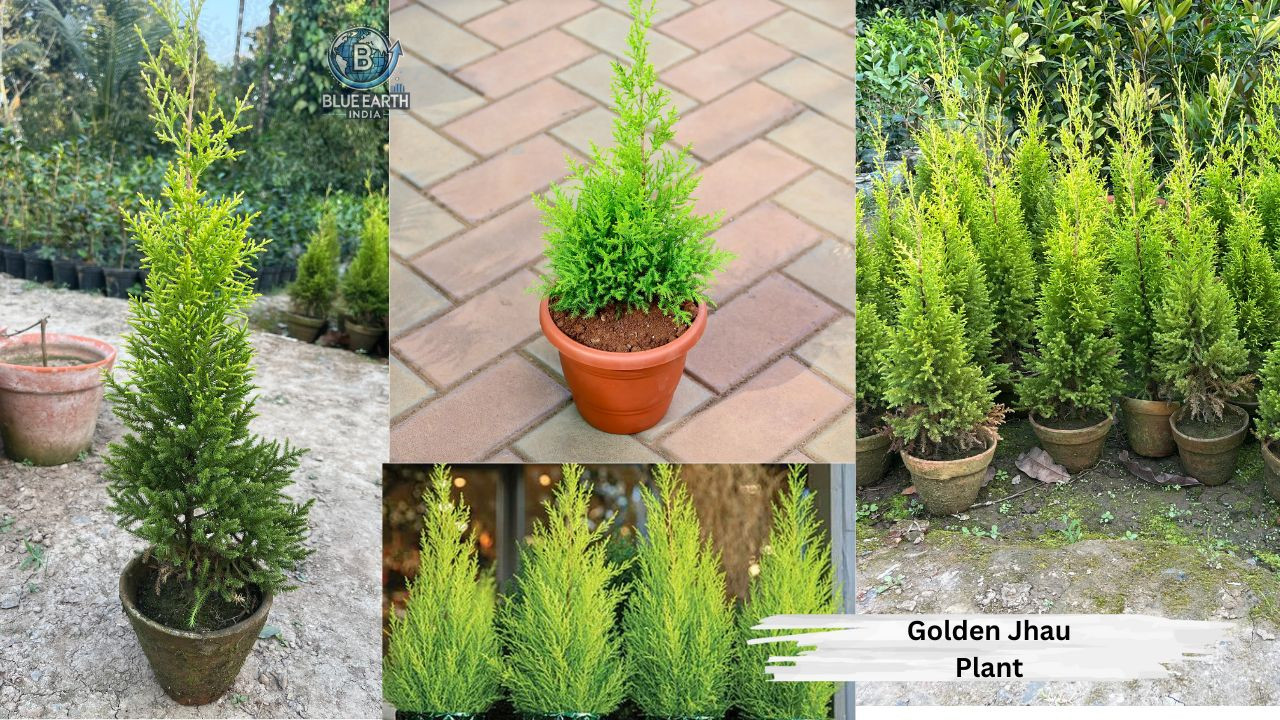
Golden Jhau Plant
(0
reviews)
Estimate Shipping Time:
4 Days
Inhouse product
Price
Rs547.23
Rs1,073.00
/1 piece
-49%
Share
Top Selling Products
-
 Rs249.00
Rs498.00 -
Rs299.00
Rs598.00 -
Rs249.00
Rs498.00 -
Rs149.00
Rs596.00 -
Rs299.00
Rs598.00 -
Rs299.00
Rs598.00
Reviews & Ratings
0.00
out of 5.0
(0
reviews)
There have been no reviews for this product yet.
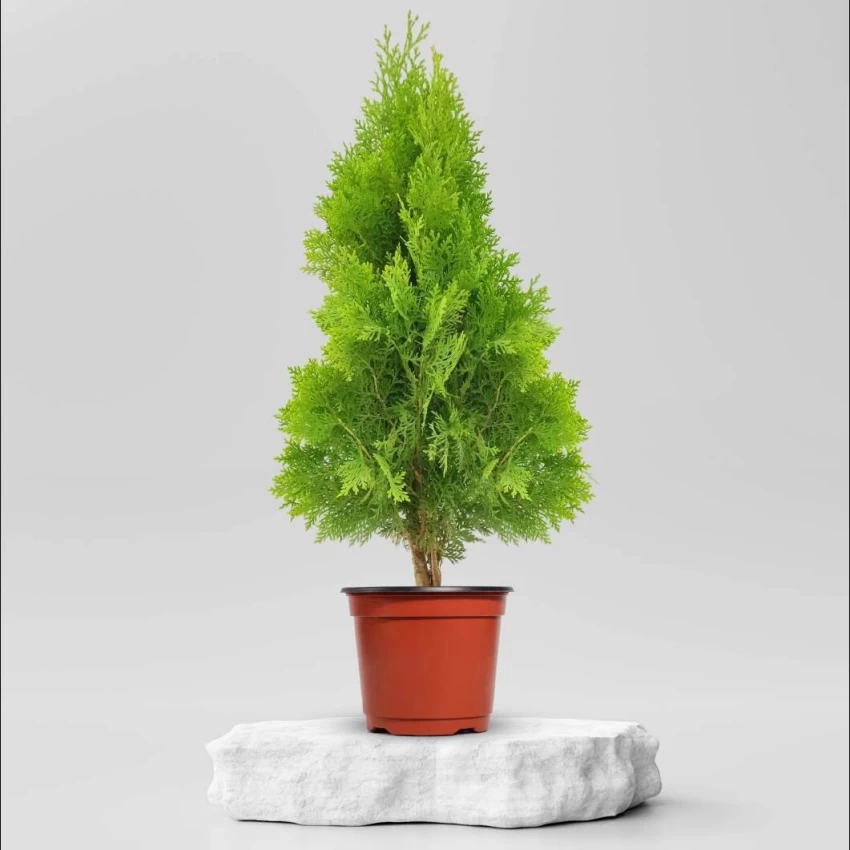
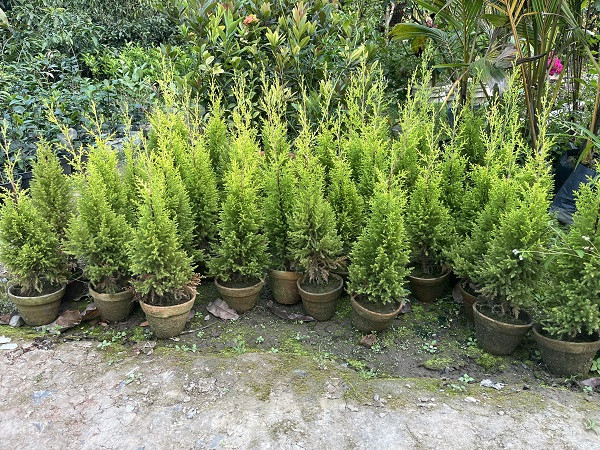
The Golden Jhau plant, scientifically known as Tamarix aphylla, is a unique and attractive tree that is native to the Mediterranean, Asia, and North Africa. It is commonly referred to as Salt Cedar or Athel Pine. This plant is particularly well-known for its graceful appearance, yellowish-golden flowers, and its ability to thrive in coastal and arid environments.
Here’s an overview of the Golden Jhau plant:
Key Features of the Golden Jhau Plant:
-
Appearance & Growth Habit:
- The Golden Jhau is a fast-growing, deciduous tree that typically reaches a height of 15 to 25 feet (4.5 to 7.5 meters), though it can grow taller in ideal conditions.
- The tree has a spreading canopy and a pyramidal shape when young, maturing to a more rounded form as it matures.
- Its branches have a weeping or graceful appearance, giving it a soft, elegant look in the landscape.
-
Flowers:
- The tree produces small, pinkish to yellowish-golden flowers in late spring and early summer.
- These flowers are arranged in dense clusters and are highly fragrant, attracting pollinators like bees and butterflies.
- The flowers bloom profusely, creating a soft, golden hue that stands out against the green foliage.
-
Foliage:
- The Golden Jhau has narrow, feathery, and scale-like leaves, giving it a unique texture.
- The foliage is evergreen in warmer climates but may become deciduous in cooler areas.
- Its leaves are fine and soft, resembling those of a pine tree, which contributes to the plant's soft appearance.
-
Climate & Growing Conditions:
- The Golden Jhau thrives in arid, semi-arid, and coastal climates. It is highly tolerant of salt and drought, making it suitable for planting near coastal regions or in areas with saline soil.
- This tree is heat-tolerant and can withstand dry conditions, though it prefers areas with full sun.
- It can also tolerate poor soil quality and is quite resilient to wind, making it an ideal plant for windbreaks and erosion control.
-
Watering & Maintenance:
- Once established, the Golden Jhau is drought-tolerant and requires minimal watering, though it will benefit from occasional deep watering during prolonged dry spells.
- It is a relatively low-maintenance plant, requiring little pruning. However, trimming back dead or damaged branches will help maintain its shape and health.
- In areas where it experiences a mild winter, the Golden Jhau can maintain its evergreen foliage throughout the year.
-
Uses:
- Landscaping: The Golden Jhau is widely used as an ornamental tree in gardens, parks, and streetscapes, thanks to its graceful form and beautiful flowers. Its ability to thrive in coastal areas makes it ideal for coastal landscaping projects.
- Windbreaks & Erosion Control: Due to its salt tolerance, wind resistance, and ability to thrive in arid conditions, this tree is often planted as a windbreak or for erosion control along coastal dunes or dry riverbeds.
- Shade Tree: With its spreading canopy, the Golden Jhau also makes an excellent shade tree, offering relief from the heat in hot, dry climates.
-
Pests & Diseases:
- The Golden Jhau is relatively resistant to pests and diseases, which is part of the reason it's a low-maintenance plant.
- However, it can occasionally be affected by aphids or scale insects, which can be controlled with organic insecticides if necessary.
- In areas with high humidity, the tree may be susceptible to fungal issues, so it's important to ensure good air circulation around the plant.
-
Benefits:
- The Golden Jhau is a hardy tree that offers aesthetic value as well as environmental benefits, such as air purification and providing habitat for wildlife.
- It is a low-maintenance, eco-friendly choice for landscaping, especially in challenging environments where other plants may struggle to survive.
Frequently Bought Products
Top Selling Products
-
Rs249.00
Rs498.00 -
Rs299.00
Rs598.00 -
Rs249.00
Rs498.00 -
Rs149.00
Rs596.00 -
Rs299.00
Rs598.00 -
Rs299.00
Rs598.00