

Ghonta Joba Plant
(0
reviews)
Estimate Shipping Time:
4 Days
Inhouse product
Price
Rs246.82
Rs602.00
/pc
-59%
Share
Top Selling Products
-
 Rs249.00
Rs498.00 -
Rs299.00
Rs598.00 -
Rs249.00
Rs498.00 -
Rs149.00
Rs596.00 -
Rs299.00
Rs598.00 -
Rs299.00
Rs598.00
Reviews & Ratings
0.00
out of 5.0
(0
reviews)
There have been no reviews for this product yet.
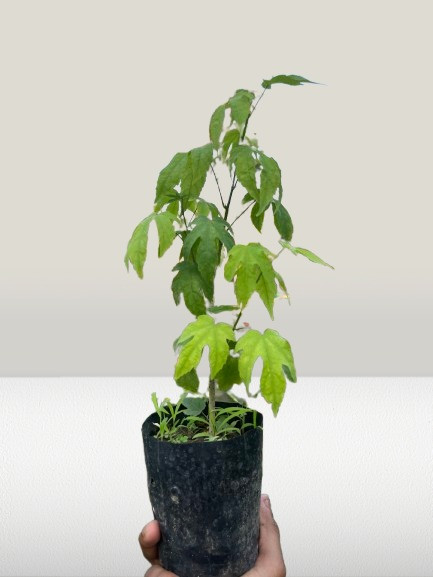
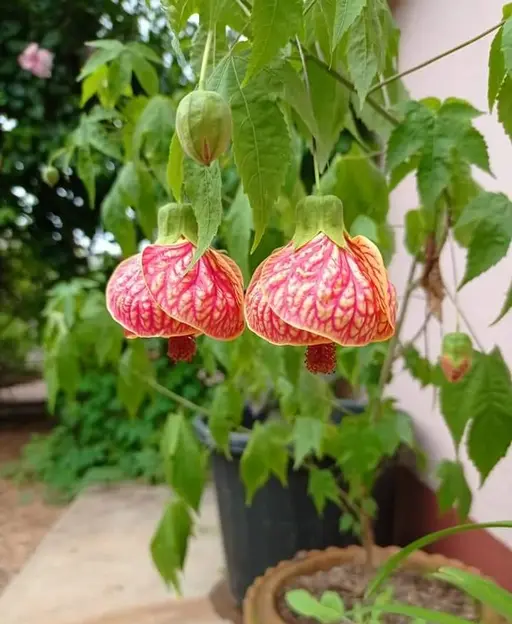
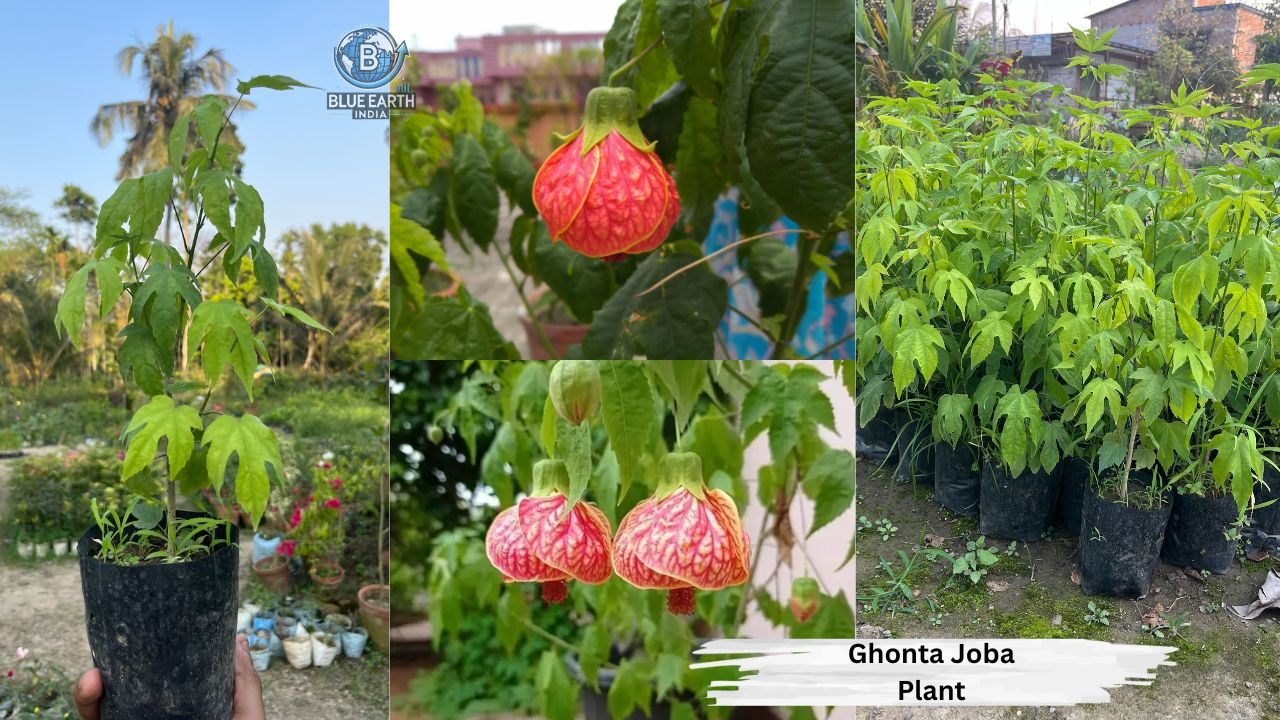
The Ghonta Joba plant, commonly referred to in some regions as Hibiscus, is a beautiful and vibrant flowering shrub known for its striking blooms and its various uses in both ornamental gardening and traditional medicine. Depending on the region, "Ghonta Joba" might refer to a specific variety or species of Hibiscus, often associated with the Hibiscus rosa-sinensis or similar varieties.
Key Features of the Ghonta Joba Plant:
-
Appearance & Flowers:
- The Ghonta Joba is renowned for its large, vibrant flowers that come in a range of colors, including red, pink, yellow, and occasionally white.
- The flowers are typically funnel-shaped, with five distinct petals, and often have a central stamen that adds to their visual appeal.
- Depending on the species, the flowers can bloom year-round, though the peak blooming season is often during the warmer months.
-
Size & Growth Habit:
- The Ghonta Joba is typically a bushy shrub that grows to about 3-6 feet in height, though it can be pruned and shaped to fit smaller spaces.
- It has a dense, branching structure, making it an attractive addition to flower beds, hedges, and landscaping designs.
- The plant is also evergreen in warmer climates, keeping its foliage throughout the year.
-
Foliage:
- The leaves of the Ghonta Joba are glossy, dark green, and somewhat oval-shaped, providing a contrasting backdrop to the colorful flowers.
- The plant is typically disease-resistant, but it can be susceptible to pests like aphids or whiteflies, especially in warm, humid environments.
-
Climate & Growing Conditions:
- The Ghonta Joba thrives in tropical and subtropical climates. It requires full sun for the best flowering results, though it can tolerate partial shade.
- It prefers well-drained, slightly acidic soil and should be watered regularly, but not left in waterlogged conditions.
- It is heat-tolerant and does well in regions that experience a lot of sun, though it may need protection from frost in cooler climates.
-
Uses:
- Ornamental: The Ghonta Joba is widely grown as an ornamental plant, often used in gardens, hedges, or as a potted plant for patios and balconies. It’s especially popular for adding vibrancy and color to outdoor spaces.
- Medicinal: In some cultures, parts of the Hibiscus plant, including the flowers and leaves, are used for their medicinal properties. They are often used in herbal teas for health benefits, such as lowering blood pressure, aiding digestion, and supporting skin health.
- Traditional Uses: The plant may also be used in traditional hair care treatments or as a natural dye in some cultures, with flowers sometimes used for creating natural hair oils or hair rinses.
-
Maintenance:
- Pruning: The plant benefits from regular pruning to maintain its shape and to promote more flowers. Removing dead or damaged branches also helps to encourage new growth.
- Fertilization: A balanced, slow-release fertilizer can be applied during the growing season to boost flowering and overall plant health.
- Watering: Regular watering is important, especially during dry periods, but the plant should not be left in standing water. Well-drained soil is essential to prevent root rot.
-
Pests & Problems:
- While relatively disease-resistant, the Ghonta Joba can sometimes fall victim to aphids, spider mites, or whiteflies. Regular inspection and treatment with organic insecticides can help keep these pests in check.
- In some cases, it can also be susceptible to fungal infections if overwatered, so it’s important to ensure good drainage and avoid excess moisture around the roots.
Symbolism:
- The Hibiscus flower is often associated with beauty, grace, and delicate femininity. In some cultures, the flower is used to symbolize love, passion, and feminine energy.
- In some parts of the world, the plant is used in rituals and festivals, often being seen as a symbol of purity and spiritual significance.
Frequently Bought Products
Top Selling Products
-
Rs249.00
Rs498.00 -
Rs299.00
Rs598.00 -
Rs249.00
Rs498.00 -
Rs149.00
Rs596.00 -
Rs299.00
Rs598.00 -
Rs299.00
Rs598.00