


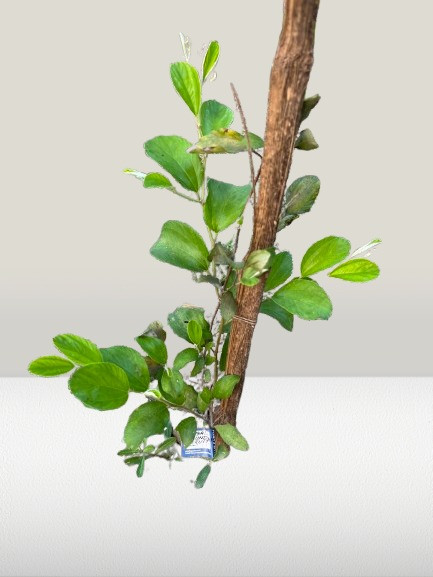
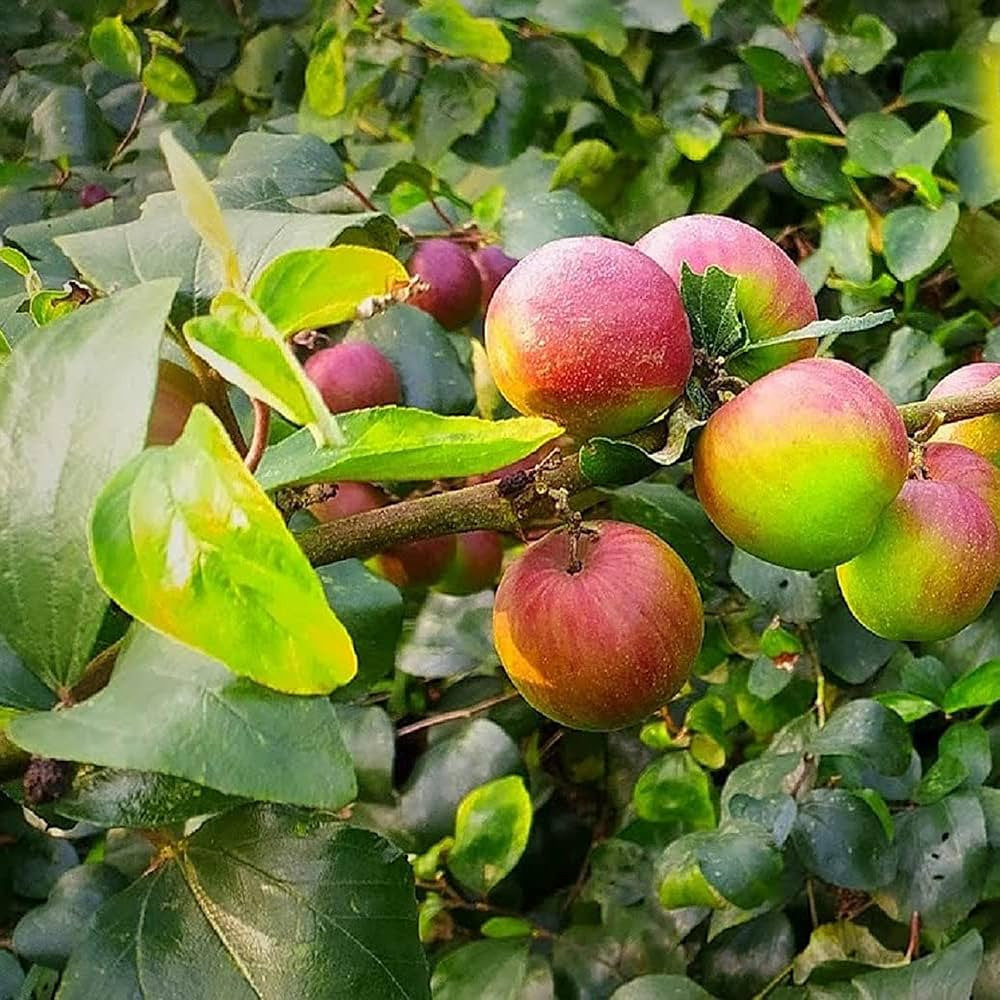
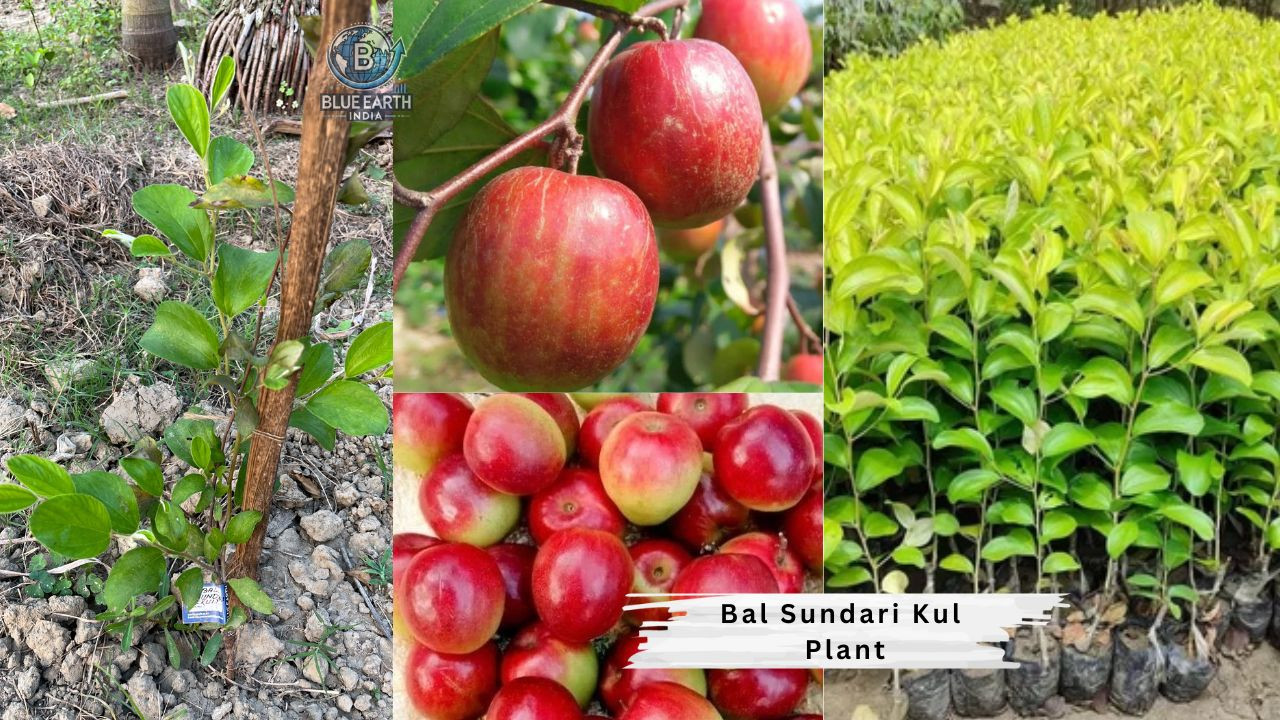
Ball Sundari Kul Plant
(0
reviews)
Estimate Shipping Time:
4 Days
Inhouse product
Price
Rs144.00
Rs288.00
/1 piece
-50%
Share
Top Selling Products
-
 Rs249.00
Rs498.00 -
Rs299.00
Rs598.00 -
Rs249.00
Rs498.00 -
Rs149.00
Rs596.00 -
Rs299.00
Rs598.00 -
Rs299.00
Rs598.00

Reviews & Ratings
0.00
out of 5.0
(0
reviews)
There have been no reviews for this product yet.
The Bal Sunadri Kul plant, also known simply as Sunadri, is a fruit-bearing tree native to certain regions of India. It’s commonly recognized for its medicinal and edible fruit. Here's some more information about the Bal Sunadri Kul plant:
1. General Information:
- Scientific Name: While the scientific name may not be as widely known or consistent across sources, the Bal Sunadri Kul is often considered a variety of Kul (Indian Jujube), which belongs to the species Ziziphus mauritiana.
- The fruit of the tree is known for its small size, sweet flavor, and is often used in various culinary and medicinal preparations.
2. Origin and Distribution:
- The Bal Sunadri Kul is primarily found in India and other parts of South Asia, especially in tropical and subtropical regions.
- The tree can thrive in warm to hot climates, typically in regions with moderate rainfall.
3. Appearance:
- The tree grows into a medium-sized shrub or small tree, often reaching heights of about 4-8 meters.
- It has dark green leaves that are typically oval in shape.
- The tree produces small, round fruits that turn reddish or yellow when ripe, depending on the variety.
4. Fruit Characteristics:
- The fruit of the Bal Sunadri Kul is small, round, and has a sweet taste when ripe.
- The fruit is typically used fresh but can also be dried, pickled, or used in jams, jellies, and chutneys.
- In addition to being delicious, the fruit is also considered nutritious, offering a good source of vitamins, minerals, and antioxidants.
5. Health Benefits:
- Medicinal Uses: The fruit is believed to have medicinal properties and is often used in traditional Indian medicine (Ayurveda) for various purposes.
- Rich in Vitamin C: Like many fruits in the Ziziphus family, the fruit of the Bal Sunadri Kul is known for its high vitamin C content, which boosts immunity and promotes skin health.
- It may also be used to treat digestive issues, cough, and cold, as well as being known for its anti-inflammatory properties.
6. Growing Conditions:
- Climate: The plant thrives in tropical and subtropical climates, where it is warm and sunny. It is particularly suited for lowland regions but can be grown in highland areas as well if the right conditions are maintained.
- Soil: The Bal Sunadri Kul prefers well-drained soil and can tolerate slightly dry conditions. It is often found growing on marginal lands and in areas with less fertile soils.
- Watering: The plant is somewhat drought-tolerant once established, but it benefits from regular watering during dry spells.
7. Uses:
- Culinary Uses: The fruit is eaten fresh or used in a variety of food preparations like jams, jellies, and juices. It can also be dried and preserved for later use.
- Medicinal Uses: Parts of the tree, including leaves, bark, and fruits, are used in traditional medicine for various ailments, such as digestive issues, respiratory problems, and skin conditions.
8. Pollination and Fruit Production:
- Pollination: The tree is generally self-pollinating, but cross-pollination may improve fruit yield.
- Fruit Production: Depending on the environmental conditions and care, it may take 2-3 years for a Bal Sunadri Kul tree to begin bearing fruit after planting.
9. Maintenance and Care:
- Pruning: Regular pruning is necessary to maintain the plant's shape and ensure that it gets enough sunlight for proper fruit production.
- Pests and Diseases: The tree can sometimes face pests like aphids or scale insects, so pest control measures may be necessary.
Frequently Bought Products
Top Selling Products
-
Rs249.00
Rs498.00 -
Rs299.00
Rs598.00 -
Rs249.00
Rs498.00 -
Rs149.00
Rs596.00 -
Rs299.00
Rs598.00 -
Rs299.00
Rs598.00