


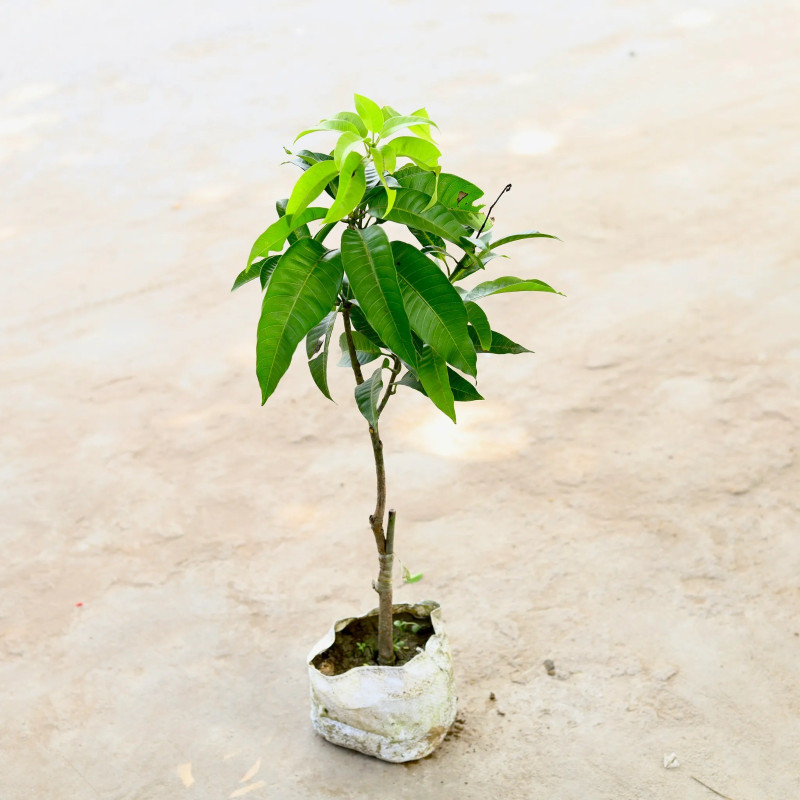
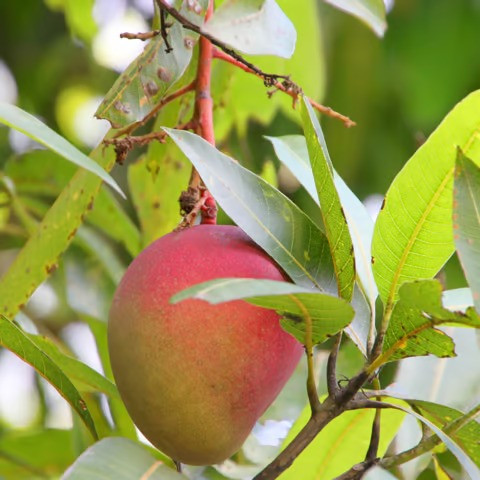
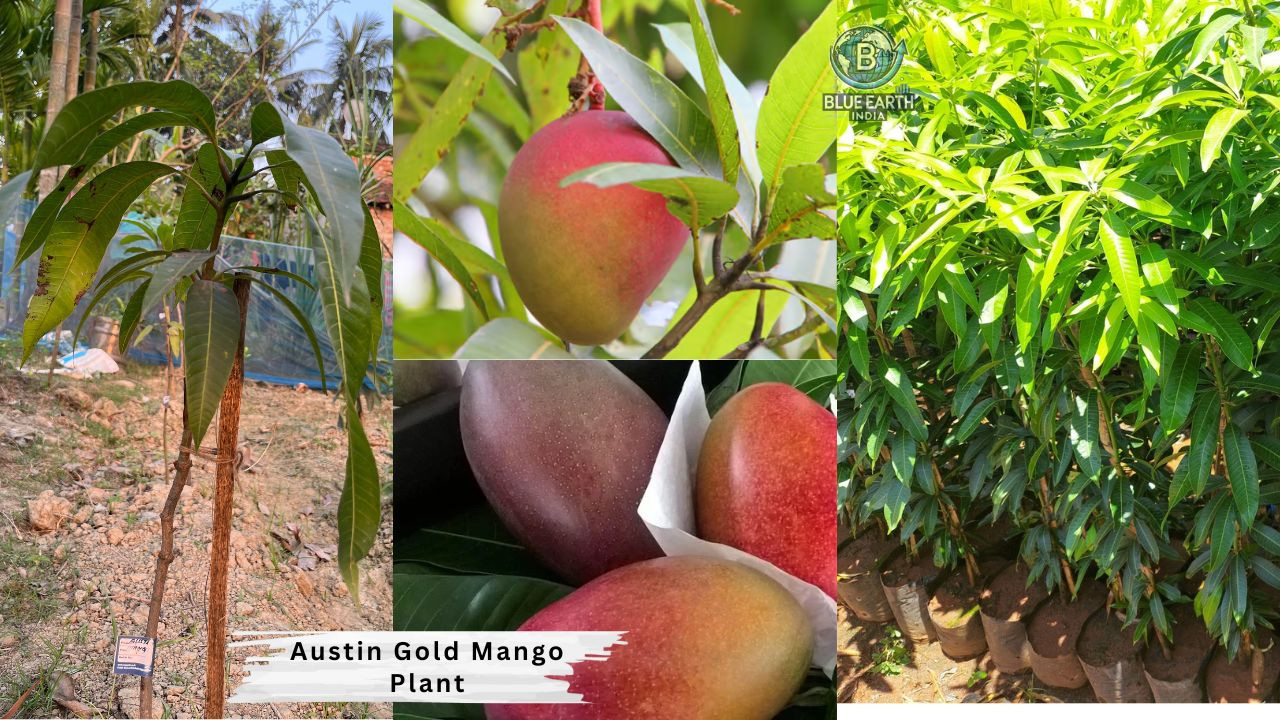
Austin Gold Mango Plant
Inhouse product
-
 Rs249.00
Rs498.00 -
Rs299.00
Rs598.00 -
Rs249.00
Rs498.00 -
Rs149.00
Rs596.00 -
Rs299.00
Rs598.00 -
Rs299.00
Rs598.00
Reviews & Ratings
The Austin Gold Mango is a hybrid mango variety known for its excellent flavor, rich texture, and unique characteristics. It is a popular choice among mango lovers and gardeners due to its relatively compact size, making it easier to grow in smaller spaces compared to other large mango varieties.
Key Features of the Austin Gold Mango:
-
Origin: The Austin Gold Mango is a hybrid variety, created by crossing different mango varieties, including the popular Haden Mango and Kent Mango. It was developed in the United States and is well-suited for subtropical and tropical climates.
-
Fruit Characteristics:
- Size: The fruit is medium to large in size, typically weighing around 1 to 2 pounds (450g to 900g).
- Skin: The skin of the Austin Gold mango is golden-yellow with a slight reddish blush, similar to other mango varieties but with a more distinct golden hue.
- Flesh: The flesh is sweet, smooth, and fibrous-free, making it ideal for eating fresh, blending into smoothies, or using in recipes.
- Taste: Known for its sweet, tropical flavor with hints of citrus and pineapple, the Austin Gold Mango is less fibrous than some other mango varieties, offering a smooth texture.
-
Tree Characteristics:
- Growth Habit: The Austin Gold Mango tree is smaller and more compact than other mango trees, typically growing to around 10 to 15 feet (3 to 4.5 meters) tall, which makes it easier to manage in a home garden or smaller backyard.
- Climate: It thrives in subtropical and tropical climates, preferring warm temperatures and full sun. It can be grown in containers or as a dwarf tree, making it versatile for gardeners with limited space.
- Cold Tolerance: It’s more cold-tolerant than many mango varieties but still sensitive to frost. It should be grown in regions where temperatures do not regularly dip below 30°F (-1°C).
-
Flowering and Fruit Production:
- Flowering: The tree produces small, fragrant white or yellowish flowers that attract pollinators. These flowers eventually develop into the mango fruit.
- Fruit Bearing: The Austin Gold Mango tree typically starts producing fruit 3 to 4 years after planting, and it tends to have a consistent and reliable yield when well-cared for.
- Harvesting Season: The mangoes typically ripen in late summer to early fall, depending on the climate.
Growing Care:
-
Soil: The Austin Gold Mango prefers well-draining, slightly acidic to neutral soil (pH 5.5–7.5). It does not do well in waterlogged or clay-heavy soils.
-
Watering: The tree requires regular watering, especially during the dry season, but overwatering should be avoided as it can lead to root rot. Once established, the tree is somewhat drought-tolerant.
-
Fertilizing: Fertilize with a balanced fertilizer that contains nitrogen, potassium, and phosphorus to encourage healthy growth and fruit production. Regular feeding during the growing season can help the tree thrive.
-
Pruning: Minimal pruning is needed for the Austin Gold Mango tree, but it’s beneficial to remove dead or damaged branches. Pruning can also help maintain its size, especially for gardeners with limited space.
-
Pests and Diseases: Mango trees, including the Austin Gold, may face pests such as aphids, mealybugs, and scale insects. Additionally, fungal diseases like powdery mildew and anthracnose can affect the tree, so it’s important to ensure good air circulation and avoid over-watering.
Benefits of Growing the Austin Gold Mango:
- Compact Size: It is a great choice for smaller gardens or containers, making it easier to grow at home.
- High-Quality Fruit: The fruit is juicy, sweet, and flavorful, perfect for fresh eating, smoothies, and desserts.
- Fast-Tracking Fruit Production: The tree starts producing fruit relatively early in its life (about 3–4 years), allowing gardeners to enjoy the fruit sooner.
Ideal Growing Conditions:
- Sunlight: Full sun is essential for healthy fruiting.
- Temperature: Warm temperatures ranging from 70°F to 95°F (21°C to 35°C) are ideal. Protect the tree from frost and freezing temperatures.
- Space: While the tree is smaller in size, it still requires ample space for its roots to grow properly, especially when planted in the ground.
Frequently Bought Products
-
Rs249.00
Rs498.00 -
Rs299.00
Rs598.00 -
Rs249.00
Rs498.00 -
Rs149.00
Rs596.00 -
Rs299.00
Rs598.00 -
Rs299.00
Rs598.00